



Table of Contents
TogglePests aren’t just a nuisance, they’re a genuine threat to your home’s structure and your family‘s wellbeing. Whether you’ve spotted a single cockroach or noticed mouse droppings in your pantry, the instinct to act is right. Pest infestations escalate fast and cost far more to fix after the fact than they do to prevent upfront. This guide breaks down exactly why pest control deserves a spot in your home maintenance routine, when it’s time to suit up and tackle it yourself, and when calling in a professional makes sense. Think of it as the difference between a small repair and a foundation problem, early intervention saves money, stress, and your peace of mind.
Key Takeaways
- Pest control is essential for protecting your home’s structure and family health, as infestations like termites and rodents cause thousands of dollars in damage if left untreated.
- Common household pests carry serious health risks including hantavirus from rodents, asthma triggers from cockroaches, and Lyme disease from ticks and fleas.
- Prevention is the most cost-effective pest control strategy—seal entry points, eliminate food sources, reduce moisture, and perform seasonal inspections to catch problems early.
- Professional pest control services are necessary for serious infestations involving termites, bedbugs, or widespread rodent problems that DIY treatments cannot reach.
- A proactive pest management plan protects your home’s resale value, maintains your family’s health, and costs far less than emergency repairs from advanced infestations.
Health Risks From Household Pests
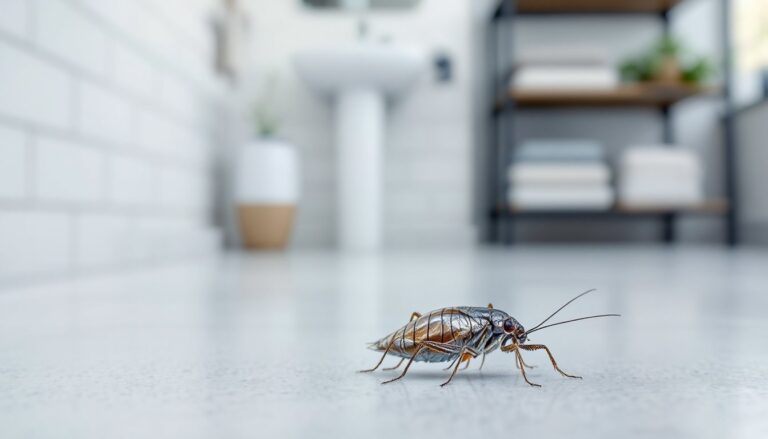
Pests carry diseases and allergens that can affect everyone under your roof, especially kids and elderly family members. Rodents shed droppings that harbor hantavirus and contaminate food preparation surfaces. Cockroaches leave fecal matter on countertops and in pantries, triggering asthma and allergic reactions. Ticks and fleas can transmit Lyme disease and parasites, one flea can become hundreds in weeks. Mosquitoes breed in standing water and spread West Nile virus.
The health impact isn’t always visible or immediate. A child might develop recurring respiratory issues from breathing cockroach allergens weeks before you realize the connection. Mice walking across your cutting board leave bacteria behind that you won’t see or taste. These pests aren’t just creepy: they’re potential vectors for serious infections.
Even “harmless” pests like ants can become a problem. Carpenter ants tunnel into wood, weakening structure over time, while fire ants deliver painful stings that can trigger allergic reactions. The sooner you eliminate pests, the sooner your home becomes a safer space. Home Pest Control: 10 covers specific health concerns and prevention strategies in detail.
Property Damage and Costly Repairs
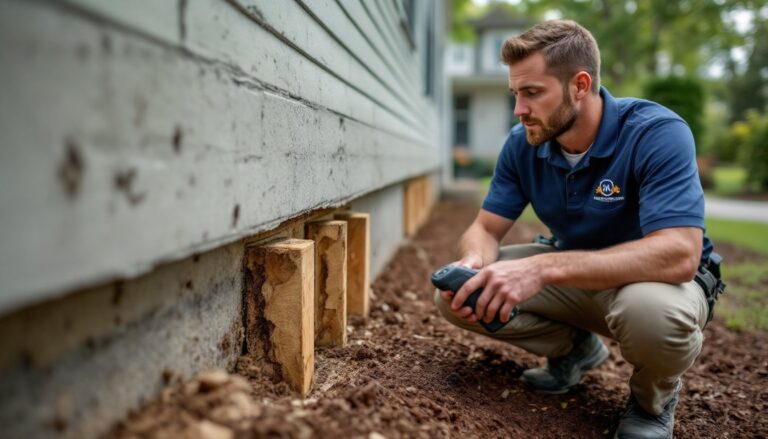
Structural damage from pests can run into thousands of dollars. Termites eat wood from the inside out, compromising joists, beams, and subflooring, damage that often goes unnoticed until it’s catastrophic. A single termite colony can consume a pound of wood per day. Carpenter ants follow a similar pattern, hollowing out framing and fascia boards. By the time damage becomes visible, you might be looking at foundation repairs, joist replacement, or roof structural work that demands licensed contractors and permits.
Rodents chew through wiring, creating fire hazards. They gnaw on insulation, reducing its R-value and driving up heating and cooling costs. They nest in attic cavities, compressing and contaminating insulation batts. Squirrels and raccoons tear into soffit, fascia, and roof vents, exposing the interior to weather and secondary pest infestations. Water damage follows right behind, leading to mold and rot.
Repairs to structural pests run $2,000 to $10,000 or more depending on the extent. Prevention and early intervention cost a fraction of that. Catching a small termite presence through a professional inspection can save you tens of thousands in the long run. Home Guard Pest Control: discusses inspection protocols and early warning signs you shouldn’t ignore.
Preventing Infestations Before They Start
The easiest pest to deal with is the one that never arrives. Prevention starts with basics: eliminate food sources, seal entry points, and reduce moisture.
Keep kitchen counters clean, store dry goods in airtight containers, and don’t leave pet food out overnight. Take out trash regularly and use sealed bins. Pests follow the food, so cutting off access cuts off recruitment.
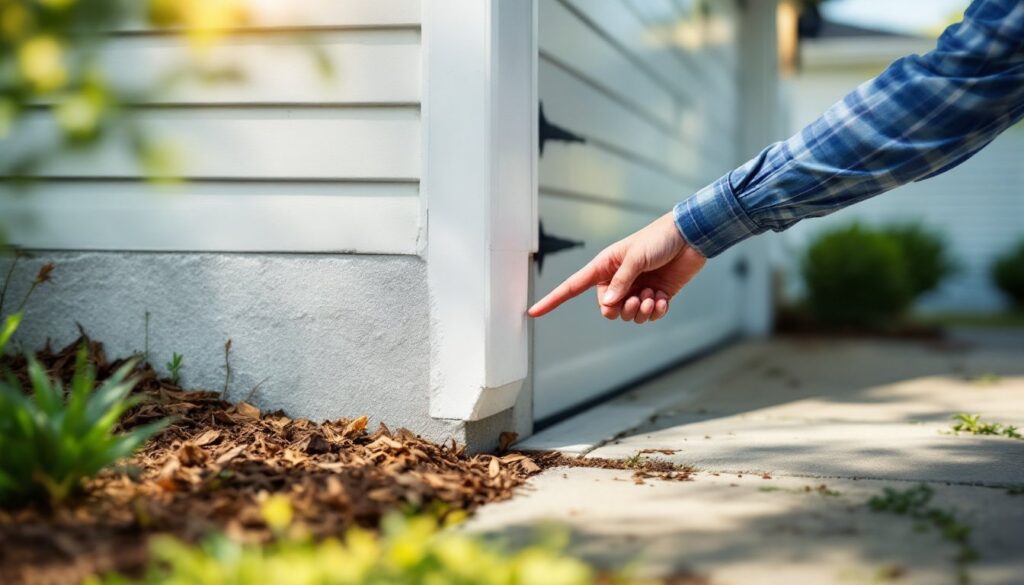
Seal cracks and gaps in your foundation, siding, and around pipes. Use caulk or expanding foam to close openings larger than 1/4 inch. Check basement and crawlspace entries, garage door seals, and attic vents. Pests can squeeze through surprisingly small openings, a mouse needs only a dime-sized hole.
Reduce moisture. Fix dripping faucets and leaky pipes. Ensure gutters drain at least 6 feet from the foundation. Use a dehumidifier in basements or crawlspaces where humidity hovers above 50 percent. Standing water, even in a plant saucer or birdbath, invites mosquitoes and other pests.
Store firewood at least 20 feet from the house and 5 feet off the ground. Don’t stack mulch directly against foundation walls: leave a 12-inch gap. Trim tree branches so they don’t hang over the roof, they’re pest highways.
Regular Inspections and Maintenance
Inspect your home seasonally, paying special attention to transitions between seasons when pests seek shelter. Look under sinks, in crawlspaces, around basement perimeters, and in attics. Check for droppings, web damage, or unexplained holes. Pest damage often hides in plain sight, a soft spot in wood trim, sawdust around baseboards, or mud tubes on foundation walls.
If you spot early signs like a few carpenter ants, rodent droppings, or termite mud tubes, address them immediately. At Home Pest Control: outlines DIY inspection steps and when to escalate to a professional. A professional inspection typically costs $100–$300 but can detect infestations before they become structural nightmares. Most pest control companies include annual or quarterly inspections as part of service plans.
When to Call a Professional Pest Control Service
DIY pest control works for minor issues, a handful of ants, a spider in the corner, or a single roach. For widespread or structural pest problems, professional service is worth every penny.
Call a professional if you’ve discovered termites, carpenter ants, bedbugs, or a rodent infestation. These pests spread quickly and hide in walls, attics, and crawlspaces where store-bought sprays won’t reach. Termite treatment often requires injecting pesticide into the soil around your foundation, work that demands licensing and equipment. Bedbugs hide in furniture seams and electrical outlets: eliminating them requires multiple treatments over weeks.
If you’re dealing with a known infestation but aren’t sure of the pest type, a professional can identify it correctly and recommend targeted treatment. Misidentifying the pest leads to wasted money and persistent problems. Home Defense Pest Control: includes guidance on selecting a reputable local service.
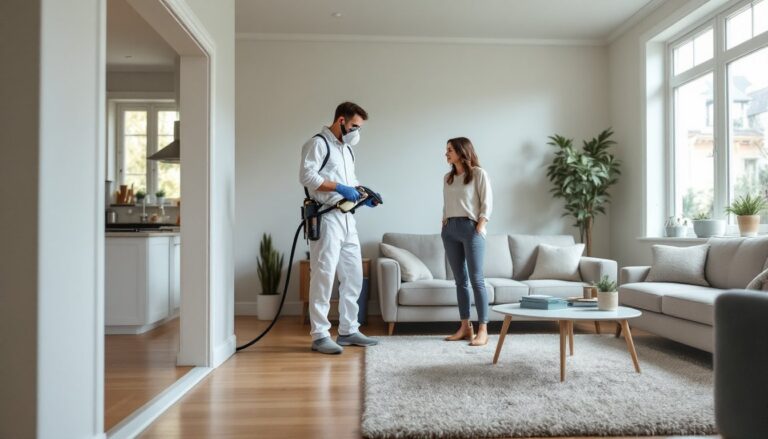
Reputable pest control companies use integrated pest management (IPM), a combination of traps, habitat modification, and targeted pesticides rather than blanket spraying. They’ll provide a written inspection report, treatment plan, and warranty. Many offer quarterly maintenance visits to catch problems early. Costs vary by region and pest type but typically range from $300 to $1,000+ annually for residential service plans. How to Get Rid of Mice, According to Pest Experts explains professional treatments for one of the most common infestations.
Long-Term Benefits of Proactive Pest Management
A proactive pest management plan pays dividends over years. Structures stay intact. Your family stays healthy. Resale value holds because buyers won’t discover hidden termite damage during inspection. Insurance doesn’t deny claims because you neglected preventive maintenance.
When pests are caught early, or better, never arrive, you avoid emergency repair costs, contractor callbacks, and the stress of an infestation spiraling. You also avoid chemical exposure to your family from overusing store-bought pesticides in desperation.
Building a routine of seasonal inspections, sealing entry points, and reducing attractants becomes second nature. It’s the same mindset that keeps your roof maintained, gutters clean, and plumbing functional. Pest Control at Home: emphasizes the long-term cost-benefit of ongoing prevention. Think of pest control as part of homeownership, not an emergency response. The small investment in prevention and professional inspections is insurance against expensive repairs and health risks.
Conclusion
Pest control matters because pests threaten both your home’s physical integrity and your family’s health. Early detection, prevention, and knowing when to call a professional keep infestations from spiraling into costly disasters. Start with the basics, seal gaps, eliminate food sources, reduce moisture, and follow up with seasonal inspections. If you spot signs of a serious infestation, don’t hesitate to hire a licensed pest control service. The cost of prevention is always cheaper than the cost of repair.