




Table of Contents
ToggleMillipedes aren’t dangerous, but finding dozens of them coiled up in your basement or crawl space is undeniably unsettling. Unlike centipedes, which hunt insects and can bite, millipedes are decomposers, they eat decaying plant material and rarely bother anything alive. Still, an indoor invasion signals moisture and outdoor debris problems that won’t fix themselves. This guide walks you through why millipedes show up, how to spot an infestation early, and the practical steps to eliminate them and keep them out for good.
Key Takeaways
- Millipedes invade homes seeking moisture, decaying organic matter, and shelter—eliminating these conditions is the most effective millipede pest control strategy.
- Start with exclusion and environmental control: remove debris from foundations, reduce humidity to 50% or below, and seal cracks and entry points using caulk or hydraulic cement.
- Visible millipedes can be safely removed with a shop vacuum, while diatomaceous earth dust applied to baseboards and entry points dehydrates them without chemical toxins.
- Most millipede infestations resolve within 6–8 weeks once moisture sources are eliminated and prevention measures like gutter cleaning and proper grading are maintained.
- If DIY methods fail after three months or you have basement infestations across multiple rooms, hire a licensed pest control professional ($300–$600 for initial treatment) who can identify hidden entry points and recommend contractor-level drainage solutions.
Why Millipedes Invade Your Home and When They’re Most Active
Millipedes seek three things: moisture, decaying organic matter, and shelter. They’re not fleeing a hostile environment, they’re attracted to a welcoming one. Heavy spring rains, poor drainage around foundation perimeters, and decomposing leaves trapped against your siding create ideal conditions. Basements and crawl spaces with high humidity are millipede magnets. They’re most active in spring and fall when soil moisture peaks and temperatures favor activity. You won’t see them during winter dormancy or in dry summer heat, but they’re still there in the soil waiting for conditions to shift.
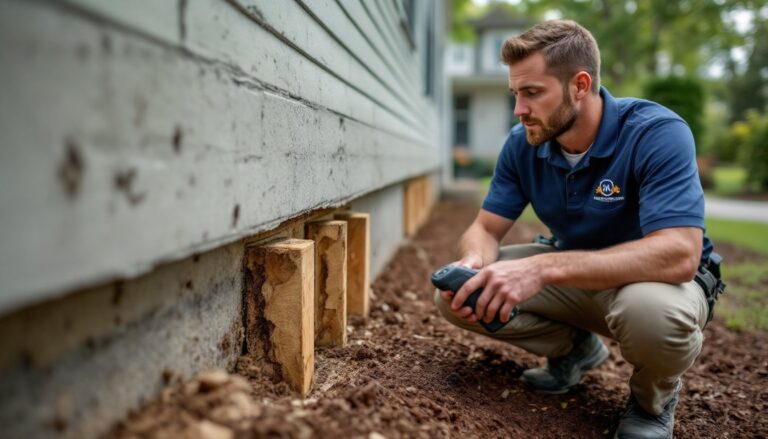
Millipedes enter through cracks in foundation walls, gaps around basement window wells, and spaces where utilities penetrate the slab. They don’t tunnel through concrete, they exploit existing openings. Unlike termites or carpenter ants, they’re not trying to eat your house: they’re just looking for a damp hideout near a food source.
Signs You Have a Millipede Problem
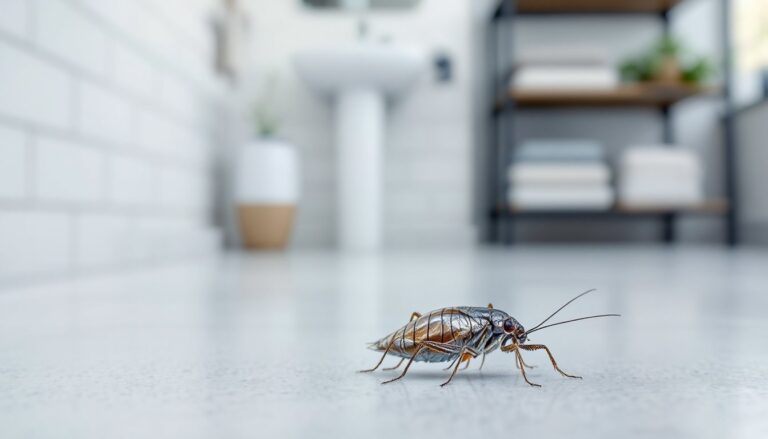
The obvious sign is seeing millipedes themselves. They’re dark brown or black, cylindrical, and range from 1 to 3 inches long (sometimes longer). They move slowly in a distinctive wave-like pattern with dozens of tiny legs. If you spot even one indoors, assume there are more nearby.
Less obvious signs include a musty, earthy smell in affected areas, that’s decomposing organic matter and millipede waste. You might also notice clumps of millipedes in corners, along baseboards, or in crawl spaces. Outdoors, check mulch beds, leaf litter against your home’s foundation, and under decorative stones. Millipedes cluster when threatened, so finding a ball of 20 or 30 indicates a larger population nearby. Check basement corners after heavy rain: millipedes often seek higher ground when soil floods.
Natural and DIY Millipede Control Methods
Start with exclusion and environmental control, the cheapest, longest-lasting fix. Remove leaf litter, mulch, and debris piled against your home’s foundation. Keep mulch beds at least 1 foot away from siding. Clear gutters and downspouts so water doesn’t pool near the foundation: water should discharge at least 4 feet away from the house.
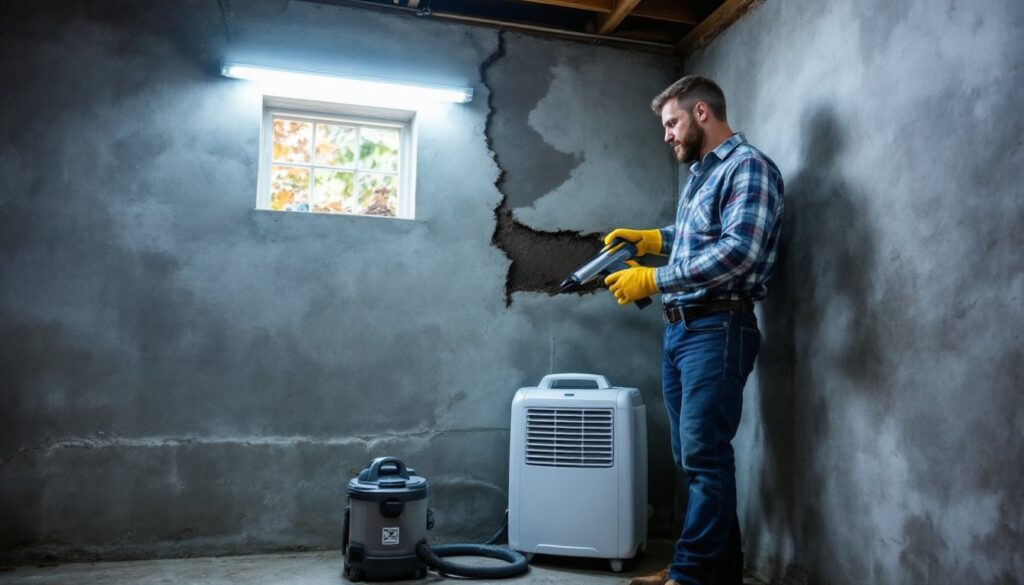
Inside, reduce humidity aggressively. Use a dehumidifier in basements (aim for 50% relative humidity or below). Ensure sump pumps and French drains work properly. Seal foundation cracks with hydraulic cement or polyurethane caulk, this stops millipedes and drafts alike. Install or repair weatherstripping around basement window wells and exterior doors. Ventilate crawl spaces with installed vents or passive ventilation to keep air moving.
For active infestations indoors, use a shop vacuum to remove visible millipedes. Wear nitrile gloves and dispose of them outside in a sealed bag far from your home. While not toxic, millipedes release a faint odor when crushed, so vacuuming is gentler and faster. Trim vegetation back from foundation walls and remove wood piles, landscape timbers, and low-hanging branches that provide shelter and travel routes. Millipedes need 80% humidity to survive: drying out your home’s perimeter makes it uninhabitable for them.
Chemical Treatments and Professional Solutions
Chemical control is a last resort after environmental fixes. Diatomaceous earth (DE), food-grade or pool-grade, works by dehydrating millipedes. Dust it along baseboards, around entry points, and in crawl spaces, wear a dust mask and goggles to avoid inhaling particles. Reapply after vacuuming or after rain if used outdoors. It’s non-toxic to pets and humans but irritating if inhaled in quantity.
Insecticide sprays labeled for millipedes (check product labels for active ingredients like bifenthrin or cypermethrin) can be applied as a perimeter band outdoors. Spray 3 feet up the siding and 3 feet out onto the soil. Wear gloves, long sleeves, and eye protection. Wait 24 hours before allowing children or pets into treated areas. Interior applications are rarely necessary if you’ve controlled moisture first.
For severe infestations or when moisture control hasn’t worked after three months, call a licensed pest control professional. They have access to stronger products and the knowledge to pinpoint entry points and conducive conditions you might miss. Expect to pay $300–$600 for an initial inspection and treatment, with follow-ups costing $150–$300 each. Professional services include a warranty, making them worthwhile if DIY methods fail.
Preventing Future Millipede Infestations
Prevention is maintenance. Once you’ve cleared an infestation, keep these habits going. Monitor gutters quarterly and clean them at least twice a year, clogged gutters cause water pooling that attracts millipedes. Grade soil away from your foundation at a minimum 1-inch drop per 10 feet of distance. This prevents water from settling near your home.
Maintain your dehumidifier year-round in basements, especially during spring and fall. Inspect foundation cracks seasonally and seal new ones immediately with concrete sealant. Don’t store firewood, compost bins, or garden debris against your home, keep them at least 10 feet away. Seal gaps where pipes, cables, and dryer vents enter the house using expanding foam and caulk. These openings are millipede highways and also sources of energy loss, so sealing them serves double duty. In areas with high rainfall, consider installing perimeter drainage or a sump pump system if you don’t have one. This is more expensive ($1,000–$3,000) but solves moisture problems that fuel not just millipedes but mold, wood rot, and foundation issues.
When to Call a Professional Pest Control Service
You can handle millipedes yourself in most cases, but call a professional if: millipedes keep returning even though three months of moisture control and sealing: you have a basement infestation affecting multiple rooms: you’re unsure whether your foundation cracks are structural or cosmetic. Professionals can also identify hidden entry points and assess whether you have drainage or ventilation issues that require contractor-level repairs.
Services like Massey Pest Control and Steve’s Pest Control offer millipede-specific treatments and follow-up inspections. Before hiring, confirm they guarantee results and are licensed in your state. Get three quotes and ask what moisture-control improvements they recommend, that’s the real long-term solution. If a company only talks about sprays and ignores your wet basement, keep looking.
Conclusion
Millipedes are nuisances, not emergencies, but they’re warnings that your home’s moisture or exterior cleanliness needs attention. Start with the cheapest fix: clear debris, improve drainage, and dry out damp spaces. Most infestations resolve within 6–8 weeks once you’ve eliminated the conditions they need. Seal cracks and monitor regularly. If DIY methods don’t work after three months, call a licensed pest control pro. The combination of prevention and maintenance will keep millipedes, and many other pests, out of your home for years.