




Table of Contents
ToggleFinding a spider in your bedroom at midnight or spotting a web in the corner of your kitchen is enough to send many homeowners reaching for the nearest shoe. But before you panic, know this: most spiders are actually beneficial. They eat mosquitoes, flies, and other household pests you probably dislike even more. That said, when spiders start colonizing your baseboards or creating visible webs everywhere, it’s time for action. Whether you’re dealing with a few stragglers or a genuine spider problem, there are practical, effective ways to handle pest control for spiders without turning your home into a chemical-heavy war zone. This guide walks through why spiders show up, what actually works to remove them, and how to keep them from coming back.
Key Takeaways
- Pest control for spiders starts with eliminating their food source—managing flies, gnats, and other household insects naturally reduces spider populations.
- Vacuuming webs and egg sacs combined with essential oil sprays (peppermint or citrus-based) provides an effective, chemical-free DIY spider removal approach.
- Seal gaps around doors, windows, and foundation cracks, repair torn screens, and reduce moisture in basements and crawlspaces to prevent spiders from entering your home.
- Sticky traps placed along baseboards and entry points help monitor pest activity and trap both spiders and insects without toxins.
- Switch to yellow or amber outdoor lighting instead of white bulbs to discourage insects that attract spiders to your property.
- Call a professional pest control service only if you’re dealing with a heavy infestation, suspect venomous species like brown recluse or black widow, or have an underlying pest problem tied to structural issues.
Why Spiders Enter Your Home and Common Problem Areas
Spiders don’t invade your home to terrorize you, they’re hunting. They follow their food source: insects. If you’ve got gnats, flies, moths, or other small pests, spiders will show up to feast. They’re also attracted to moisture and shelter, which is why you’ll find them in dark corners, crawlspaces, attics, and basements.
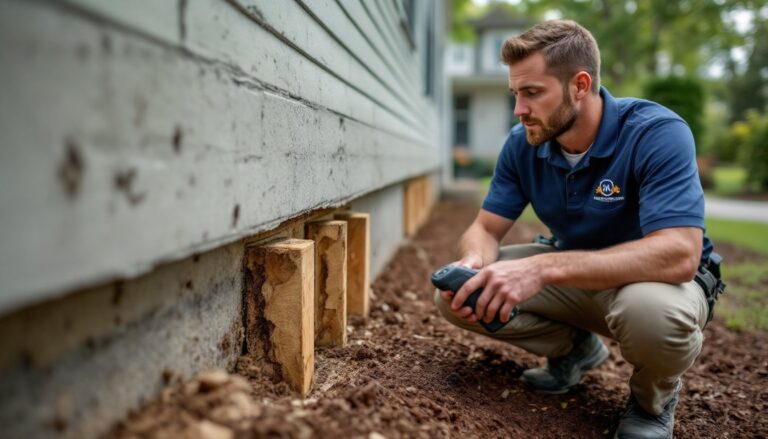
Common entry points include gaps around doors and windows, cracks in foundations, holes where utilities enter, and torn screens. Spiders are tiny enough to squeeze through openings you might not even notice. Once inside, they settle wherever they find food and undisturbed space, usually corners, eaves, behind furniture, or inside closets.
If you’re noticing more spiders than usual, check for other pest activity first. Seeing fruit flies around your kitchen trash or gnats near a damp basement corner? That’s why the spiders have moved in. Managing the underlying pest problem will naturally reduce spider populations.
Another common culprit: outdoor lighting. Insects are drawn to lights at night, and where insects gather, spiders follow. If you’ve got porch lights blazing and your foundation crawling with bugs, you’re essentially ringing the dinner bell for eight-legged guests.
DIY Spider Control Methods: What Actually Works
Before spending money on sprays or calling an exterminator, try these proven methods. Most homeowners find success combining two or three approaches rather than relying on a single fix.
Natural Sprays and Essential Oils
Essential oil sprays are popular, and for good reason, they actually deter spiders without the nasty chemical smell. Peppermint and eucalyptus oils are the heavy hitters. Mix 15–20 drops of pure peppermint essential oil with water in a spray bottle (add a few drops of dish soap to help it stick) and spray around baseboards, window frames, corners, and entry points. Reapply weekly or after vacuuming.
Citrus-based sprays work similarly. Boil lemon or orange peels in water, let it cool, strain, and transfer to a spray bottle. Spray along walls and in corners where you’ve seen webs. Some homeowners report success with vinegar solutions (equal parts white vinegar and water), though the smell is strong and takes time to fade.
Here’s the honest part: sprays work best as prevention and for light infestations. If you’ve already got nests established, you’ll need to remove the webs first (see below). Sprays on existing webs just clogs the silk and doesn’t eliminate the spider living in that corner. You’re better off vacuuming first, then spraying.
For a more heavy-duty approach, neem oil mixed with water works on contact, though it requires thorough application. Wear gloves and ensure good ventilation when using any oil-based spray.
Physical Removal and Traps
The simplest method is often the most effective: the vacuum. Use a handheld vacuum or the hose attachment of a standard vacuum, and suck up webs, egg sacs, and spiders directly. This removes both the spider and its prey insects in that area. Afterward, immediately seal the vacuum bag or empty the canister outside so the spider doesn’t crawl back out.
For a less hands-on approach, sticky traps work well. These are inexpensive cardboard strips coated with a non-toxic adhesive that trap spiders and insects when they walk across them. Place traps along baseboards, in corners, and near entry points where you’ve seen activity. They’re also useful for monitoring, if traps are filling up with insects (but not spiders), you’ve got a pest problem driving spider activity.
Catch and release is another option if you’d rather not harm the spider. A clear glass or jar, a piece of paper, and a steady hand are all you need. Slide the paper under the glass, trap the spider inside, and release it outside, far from your home. This works fine for isolated incidents, but it’s not practical if you’ve got dozens of spiders.
For earwig pest control and other common household pests that attract spiders, diatomaceous earth (food-grade, not pool-grade) sprinkled along baseboards creates a barrier. It’s harmless to humans and pets but damages the exoskeletons of insects. This approach tackles the root cause, the insects spiders are hunting. When you eliminate the food source, spiders naturally leave to find a better hunting ground.
If you’re also concerned about treating your yard for fleas, which can follow pets indoors and attract spiders hunting in your home, consider a multi-pronged yard approach: keep grass short, remove leaf litter, and maintain good drainage. Spiders actually help control fleas naturally, so they’re working in your favor here.
Preventing Spiders From Entering Your Home
An ounce of prevention saves you from dealing with a full infestation later. Start with the obvious: seal gaps. Walk around your home’s exterior and look for cracks in the foundation, holes where pipes or cables enter, and gaps around door and window frames. Use caulk for small gaps (less than 1/4 inch) and foam sealant for larger ones. For doors, install weather stripping and ensure sweeps fit snugly, a gap of more than 1/8 inch is an open invitation.
Screens need attention too. Torn screens are spider highways. Repair small holes with a screen patch kit (cheap and takes 10 minutes), or replace the screen entirely if it’s badly damaged. Check that screens fit tightly in their frames with no gaps at the corners.
Reduce moisture in problem areas. Basements, crawlspaces, and bathrooms attract spiders because they’re damp. Use a dehumidifier, improve ventilation (exhaust fans in bathrooms, vents in crawlspaces), and fix any dripping pipes. Most pests prefer humid conditions, and spiders follow them. Drier environments naturally discourage colonization.
Manage outdoor lighting strategically. If you need porch lights for safety, switch to yellow or amber bulbs, insects are far less attracted to these wavelengths than white LED or incandescent bulbs. Keep lights off when you’re not using them, and position lights away from entry doors when possible.
Inside, declutter. Spiders love undisturbed spaces. Boxes stacked in a corner, old clothes in a closet, or a cluttered attic are spider paradise. Store items in sealed containers, donate or toss things you don’t need, and vacuum regularly, especially in corners and under furniture. Weekly vacuuming removes webs, insects, and egg sacs before they become a real problem.
One often-overlooked tactic: reduce other pest activity. A homeowner’s guide to local pest solutions will detail how managing flies, ants, and other common pests eliminates the food source spiders depend on. When there’s no reason to stay, spiders move on.
When to Call a Professional
Most spider problems are manageable with the methods above. But there are times when calling a pest control professional makes sense.
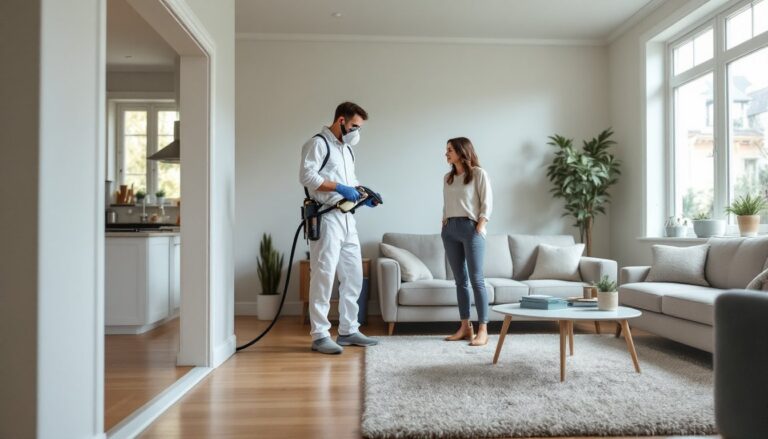
If you’re dealing with a heavy infestation (multiple spiders in every room, thick webbing covering walls or ceilings, or egg sacs everywhere), DIY methods won’t cut it fast enough. Professionals have access to more potent, EPA-approved treatments and can inspect areas you might miss, inside wall voids, attics, and crawlspaces where spiders congregate.
Venomous spiders like the brown recluse or black widow present a safety issue. If you suspect these species, don’t attempt removal yourself. Professionals can identify the species, assess the threat level, and eliminate them safely. (Most common house spiders and even american house spiders are harmless, but it’s worth confirming.)
If the infestation is tied to a larger pest problem (cockroaches, termites, severe ant infestations), a professional inspection and integrated pest management approach is worthwhile. They’ll identify and address root causes you might not spot.
According to data on spider exterminator costs, professional spider removal typically ranges from $150 to $400 for an inspection and initial treatment, with repeat visits costing less. Price varies by region and infestation severity, so get quotes from multiple providers. Most reputable companies offer a satisfaction guarantee and will return if spiders reappear within a set period.
Conclusion
Getting rid of spiders doesn’t require harsh chemicals or panic. Start by understanding why they’re there (they’re hunting for food), then combine proven DIY methods, vacuuming, essential oil sprays, sticky traps, and sealing entry points. For most homeowners, these approaches eliminate spider problems within a couple of weeks. Prevention is just as important: maintain good seals around doors and windows, reduce moisture, declutter, and manage the underlying pest populations that attract spiders in the first place. Only consider professional help if the infestation is severe or you’re dealing with potentially dangerous species. With a bit of attention and consistency, you’ll reclaim your home from eight-legged squatters.