


Table of Contents
ToggleAnts marching across the kitchen counter. Aphids destroying your tomato plants. Mosquitoes ruining an evening on the porch. When pests show up, most homeowners reach for a spray bottle of harsh chemicals. But there’s a smarter approach, and it works just as well. Natural insecticides tackle bugs without filling your home with synthetic toxins or harming beneficial insects. Whether you’re dealing with indoor nuisances or garden invaders, learning to mix and apply natural insecticides at home saves money and keeps your family safer. This guide walks you through the best natural bug and insect repellents available today, how to make them, and when to use each one.
Key Takeaways
- Natural insecticides are safer for families and pets than synthetic chemicals while being equally effective at eliminating household and garden pests.
- Homemade natural insecticide sprays cost under $5 per gallon compared to $12–$30 for store-bought options, saving hundreds annually on pest control.
- Neem oil, diatomaceous earth, and plant-based extracts target insects through different mechanisms—disrupting nervous systems, dehydrating exoskeletons, or deterring through odor—without building resistance over time.
- Apply natural insecticides during early morning or late evening, always test on small areas first, and follow specific timing guidelines for each ingredient to maximize effectiveness and prevent plant damage.
- Combining multiple natural pest control methods—such as removing standing water for mosquitoes, sealing cracks for roaches, and introducing beneficial insects for garden pests—provides faster and longer-lasting results than single treatments.
Why Homeowners Are Switching to Natural Pest Control
The shift toward natural insecticides isn’t just trendy, it’s practical. Chemical pesticides linger in your home, soil, and groundwater. They kill indiscriminately, wiping out ladybugs and bees that eat harmful pests. Kids and pets are more vulnerable to synthetic toxins because their bodies haven’t fully developed defenses.
Natural insecticides work differently. They disrupt insects’ nervous systems, dry out exoskeletons, or repel pests through strong odors, methods that are lethal to bugs but essentially harmless to humans and pets when used correctly. Plus, insects don’t build resistance to these products the way they do to synthetic chemicals used repeatedly over years.
Cost matters too. Store-bought natural sprays run $12–$30 a bottle, and you might need several treatments. Homemade versions cost a fraction of that. Mix neem oil, water, and a touch of dish soap, and you’ve got a gallon of effective spray for under $5. Natural pest control methods that work well also reduce reliance on professional pest services, saving hundreds annually.
Essential Natural Ingredients for Effective Bug Elimination
Neem Oil and Plant-Based Extracts
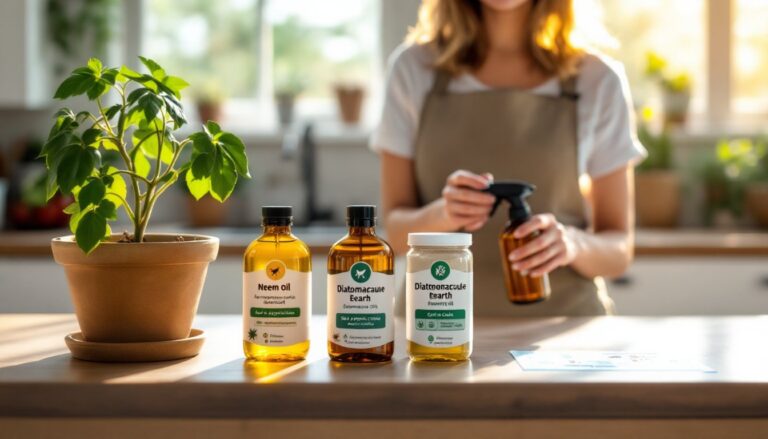
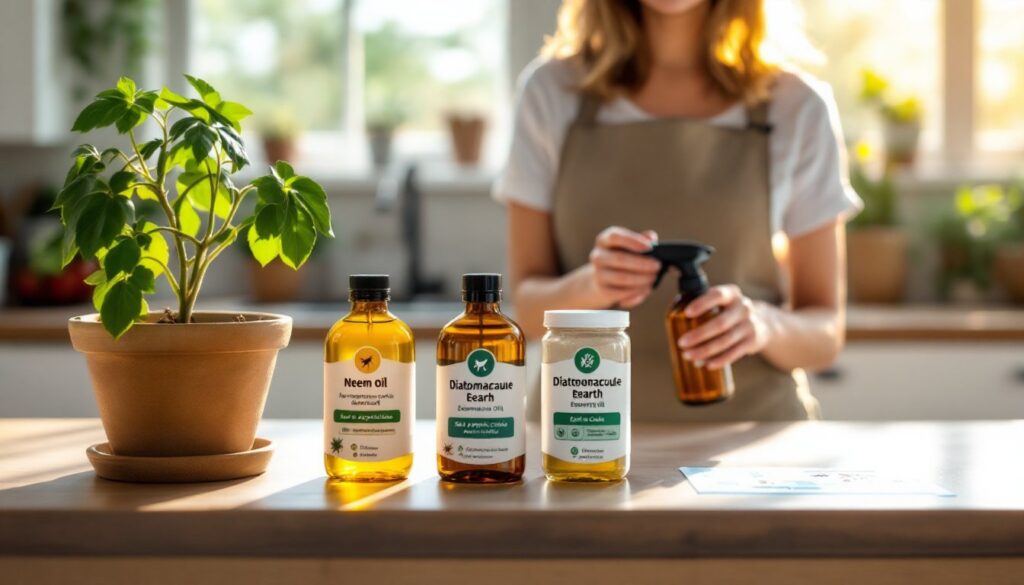
Neem oil is the heavyweight of natural insecticides. Extracted from neem tree seeds, it contains azadirachtin, a compound that disrupts insect feeding and reproduction. It works on aphids, spider mites, whiteflies, and even mosquito larvae. Mix neem oil concentrate (typically 70% concentration) at a ratio of 2 tablespoons per gallon of water, add a teaspoon of dish soap to help it spread, and spray affected plants or surfaces thoroughly.
Apply neem oil in early morning or late evening when beneficial insects are less active. It breaks down quickly in sunlight, so timing matters. Wear goggles and gloves, neem oil can irritate skin and eyes on contact. Never apply on extremely hot days (above 85°F) or to stressed plants, or you’ll scorch foliage.
Other plant-based options include pyrethrin (from chrysanthemum flowers) and clove or mint extracts. These work fast but fade quickly, so reapplication every 7–10 days is typical. Eco-friendly pest control solutions often combine these extracts for broader coverage.
Diatomaceous Earth and Mineral Solutions
Food-grade diatomaceous earth (DE) is powdered fossilized algae. It’s harmless to humans and pets but devastates soft-bodied insects. The powder clings to bug exoskeletons and absorbs the waxy coating, causing them to dehydrate and die. It’s especially effective against fleas, bed bugs, and ants indoors.
Apply DE as a dry powder directly to carpets, baseboards, and garden soil. Wear a dust mask, don’t breathe it in. Reapply after rain or every 7–14 days as needed. DE works slowly (3–7 days) but persists longer than sprays.
Sulfur is another mineral option for mites and fungi. Dust it on plants or mix into spray form, but avoid applying within two weeks of oil-based treatments, the combination can burn foliage. Always check labels and wear protective gear when handling mineral powders.
How to Make and Apply Natural Insecticides at Home
The most reliable homemade spray combines soap, water, and oil. Mix one tablespoon of pure Castile soap (like Dr. Bronner’s) with one quart of water in a spray bottle. Add 2–3 tablespoons of neem oil if tackling stubborn pests, or omit it for lighter infestations. Shake well before each use, oils and water don’t naturally mix.
Test on a small leaf area first. Some plants are sensitive to soap, especially if applied in hot weather. Wait 24 hours to check for damage before treating the whole plant.
For indoor use against ants or pantry pests, a 1:1 mixture of white vinegar and water with a few drops of peppermint oil deters without harming household surfaces. Spray along baseboards, window sills, and entry points. The smell dissipates in hours, but the deterrent effect lasts days.
For natural mouse deterrent natural applications, place peppermint-soaked cotton balls in corners where droppings appear or near holes. Mice hate the smell. Replace every two weeks or when the scent fades.
Always store homemade sprays in labeled, sealed containers away from children and pets. Most last 1–2 weeks before separating: remix before use. Don’t store near food, and wash hands after application. Proven methods to eliminate pests without chemicals follow the same safety rules as commercial products.
Targeting Specific Household and Garden Pests Naturally
Aphids and Spider Mites (Garden): Spray neem oil or soap-water mix every 7–10 days until populations drop. Spray undersides of leaves where they hide. Introduce ladybugs or lacewings as a long-term fix.
Ants (Indoors and Outdoors): Natural ant control works best with a multi-pronged approach. Cinnamon powder sprinkled around entry points deters them, they dislike the smell. Diatomaceous earth creates a barrier along baseboards and trails. For outdoor nests, pour boiling water directly into the mound, or scatter borax-sugar bait (mix equal parts borax and powdered sugar with water into a paste, roll into pea-sized balls, place near trails). Keep bait away from pets and kids.
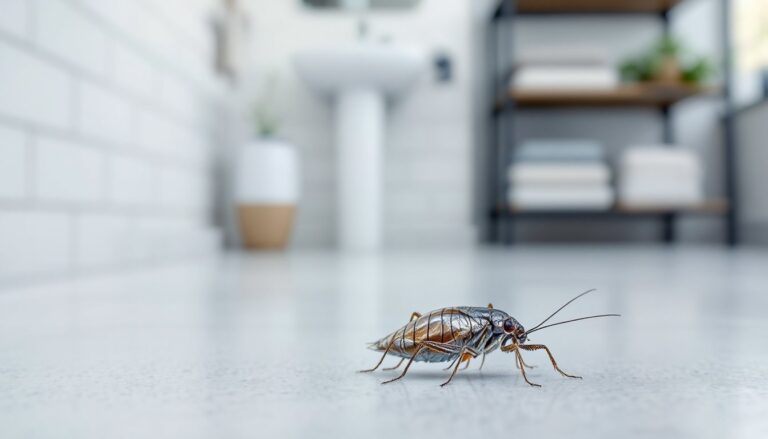
Roaches: Combine diatomaceous earth with caulk to seal cracks where they hide. Roaches need moisture, so fix leaks and reduce humidity. A neem oil spray targets adults: boric acid (handled carefully, labeled clearly) eliminates nymphs in crevices. Use boric acid sparingly and only in inaccessible areas.
Fleas (Pets and Carpets): Dust food-grade diatomaceous earth into carpets and pet bedding. Vacuum thoroughly after 12–24 hours. Wash pet bedding weekly in hot water. A diluted neem oil spray on pet fur (avoiding eyes and mouth) prevents reinfestation, though a vet should approve first.
Mosquitoes: Remove standing water where they breed, clogged gutters, plant saucers, birdbaths. Spray neem oil on foliage where mosquitoes rest. Fan air around seating areas: mosquitoes are weak fliers. Citronella and lavender oils offer modest repellent value, they work best as candles or diffusers, not sprays, for outdoor spaces.
Conclusion
Natural insecticides give you control without poisoning your home or garden. Start with the gentlest option, often soap and water, and escalate to neem oil or diatomaceous earth only if needed. Consistency beats aggression: regular applications prevent infestations from taking hold. Track what works for your specific pests, keep supplies stocked, and remember that prevention, sealing cracks, removing water sources, clearing debris, stops many problems before they start. Your home and garden will be healthier, safer, and pest-free.