



Table of Contents
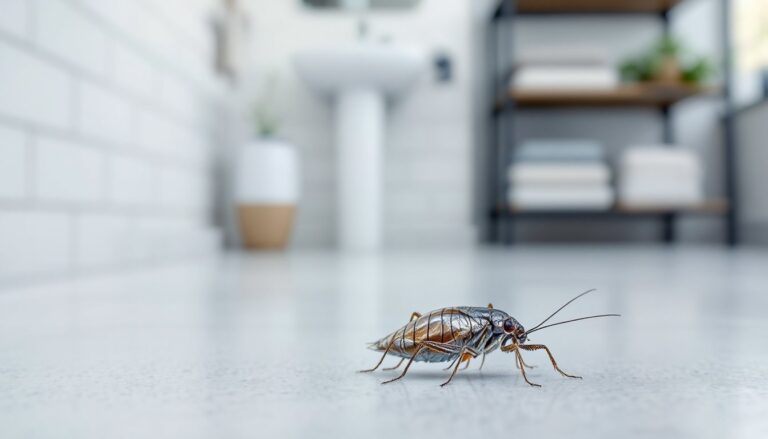
ToggleMost homeowners dread that moment: discovering an ant trail across the counter or spotting a roach scurrying behind the stove. Chemical pesticides promise a quick kill, but they come with trade-offs, toxins in the air, pets tracking residue through the house, and the nagging worry about what’s settling on your family’s surfaces. Natural pest control offers a smarter alternative. These methods work by disrupting pests’ habitats, repelling them with scents they hate, or preventing infestations before they start. Unlike broad-spectrum chemicals, they target the problem while keeping your home safer. The techniques that follow are field-tested, inexpensive, and respect the fact that your house is where your family lives, not a chemistry experiment.
Key Takeaways
- Natural home pest control eliminates health risks from chemical residues while being cheaper and preventing pests from developing resistance to repeated treatments.
- Essential oils like peppermint, eucalyptus, and tea tree oil disrupt insects’ scent navigation; mix 10–15 drops with water and dish soap for weekly applications on entry points and baseboards.
- Sealing gaps larger than 1/8 inch around your foundation, windows, and doors is the most effective prevention step, as a single unsealed crack can undo months of other pest control efforts.
- Household items like salt, bay leaves, baking soda, chalk, and sticky traps provide inexpensive pest deterrents and monitoring tools without chemical toxins.
- Success with natural pest control requires consistency and addressing root causes—removing food sources, fixing moisture leaks, and maintaining cleanliness—rather than relying on one-time treatments.
Why Choose Natural Pest Control for Your Home
Chemical pesticides work fast, but speed isn’t the whole story. Once you spray, those compounds linger, on surfaces, in the air, and sometimes in your body. Kids playing on floors treated with residual insecticides, pets grooming themselves after walking across treated areas, and the persistent fumes all carry real health costs. Natural methods sidestep these risks entirely.
Another overlooked advantage: pests don’t develop resistance to physical barriers or disrupted habitats the way they do to repeated chemical exposure. A caulked crack stays sealed. Diatomaceous earth doesn’t lose potency because a bug population adapted to it. These methods also tend to be cheaper. Most ingredients you’ll use, vinegar, essential oils, salt, are already in your pantry. Even when you buy specialty items like food-grade diatomaceous earth, you’re spending a fraction of what quarterly professional treatments cost.
There’s also the reality that natural home pest control aligns with how pests actually live. They seek shelter, food, and water. Remove those, seal entry points, and use scents they avoid, and you’ve addressed root causes instead of just treating symptoms.
Essential Oils and Herbs: Nature’s Insect Repellents
Insects rely heavily on scent to navigate. Many essential oils disrupt that system, peppermint, eucalyptus, tea tree, and lavender all make insects uncomfortable enough to leave. The catch: you need to use them strategically. Random diffuser use won’t stop an infestation: focused applications in problem areas work much better.
Most Effective Essential Oils for Indoor Pest Control
Peppermint oil repels spiders, ants, and roaches. Eucalyptus works against flies and mosquitoes. Tea tree oil has broad activity against multiple pests and also fights mold, which attracts pests. Lavender deters moths and is gentler if you have kids or pets around. Clove and cinnamon are less commonly discussed but effective against ants and grain-dwelling insects.
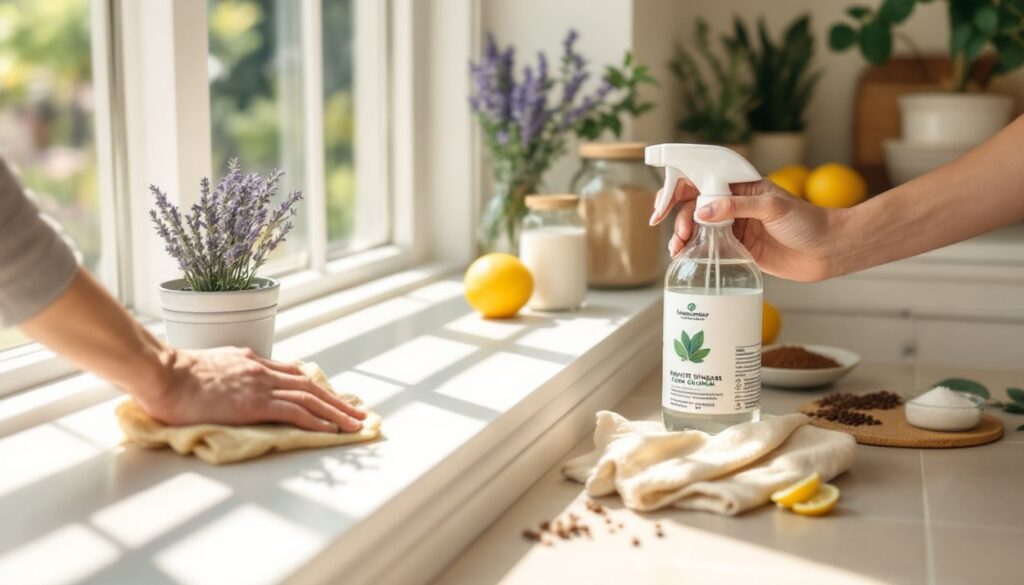
To use these oils effectively, mix 10–15 drops into a spray bottle with 2 cups of water and a tablespoon of dish soap (the soap helps oils mix with water and stick to surfaces). Spray entry points, baseboards, and areas where you’ve spotted activity. Reapply weekly or after cleaning, since the oils evaporate. For a dried-herb approach, place sachets of dried mint, lavender, or clove in cabinets, under sinks, and along windowsills. This won’t eliminate an active infestation but prevents pests from settling in those zones. Fresh or dried rosemary tucked behind appliances also deters insects while smelling pleasant.
DIY Natural Sprays and Solutions You Can Make Today
Homemade sprays give you control and transparency, you know exactly what’s on your surfaces. A basic diatomaceous earth spray works well for crawling insects. Food-grade diatomaceous earth (never pool-grade, that’s toxic) is a fine powder of fossilized algae whose particles have sharp edges that damage insect exoskeletons. Mix 2 tablespoons of food-grade diatomaceous earth into 2 cups of water. Spray around baseboards, under sinks, and along window frames. Let it dry: it’s harmless to people and pets once dry but works only when dry, so reapply after vacuuming or mopping.
For spider and general pest spray, combine 10 drops peppermint oil, 5 drops tea tree oil, 1 tablespoon liquid dish soap, and 2 cups water. Shake well and spray closets, corners, and webs. A vinegar-based ant barrier consists of equal parts white vinegar and water sprayed along baseboards and entry points. The strong smell masks pheromone trails ants use to navigate. For roaches, a mixture of boric acid, powdered sugar, and flour (1:1:1 ratio, formed into balls) baits and desiccates them, but keep this strictly away from kids and pets, boric acid is toxic if ingested.
These solutions aren’t fire-and-forget. Consistency matters. Spray weekly, especially if you have active pest traffic. With diatomaceous earth, one application lasts longer, but you’ll need to reapply after water or foot traffic disturbs it. Track which solutions work in your space, peppermint oil might repel your spider problem, but your neighbor might need a switch to eucalyptus if they have a fly issue.
Prevention: The First Line of Defense Against Household Pests
Every homeowner eventually learns this: stopping a pest before it enters beats fighting one inside the house. Pests need three things: shelter, food, and water. Cut off access to any of those, and you’ve disrupted their life cycle.
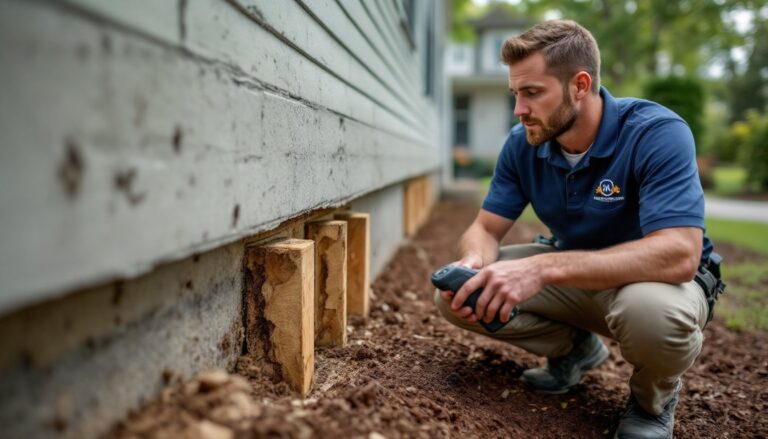
Start with sealing entry points. Walk around your foundation, basement windows, and corners of your attic on a sunny day with good light. Look for gaps larger than 1/8 inch, that’s roughly the width of a credit card. Use caulk (paintable latex or silicone) to seal cracks in masonry and wood. Around pipes and cable entries, use expanding foam or door sweeps for gaps at the base of doors. This isn’t glamorous work, but it’s foundational. A single unsealed gap can undo months of other pest control efforts.
Clutter and moisture are pest magnets. Store pantry items in airtight containers, open cereal boxes, flour bags, and sugar canisters are invitations. Fix dripping pipes and remove standing water under sinks or in plant saucers. Ensure gutters drain away from the house foundation: pooled water creates breeding grounds. Vacuum regularly, paying attention to corners and under furniture where crumbs hide. Don’t leave pet food out overnight.
Outdoors, keep mulch and leaf litter 6 inches away from the foundation, and trim shrubs so branches don’t brush the house, pests use them as highways. Stack firewood 20 feet away, elevated off the ground. These steps cost little and compound over time, making your home progressively less attractive to pests. Combined with targeted natural sprays, prevention typically solves the majority of minor infestations.
Common Household Items That Double as Pest Deterrents
You likely already own potent pest deterrents. Salt is a desiccant, sprinkle it around baseboards and entry points where roaches and slugs travel. It dehydrates them. Table salt works: rock salt covers larger areas but is messier. Bay leaves tucked into flour canisters and pasta boxes repel grain weevils and moths. Replace them every 3 months as their scent fades.
Baking soda mixed with powdered sugar (1:1) creates a bait for roaches that works through desiccation, they consume it, can’t digest it, and die. Again, keep away from kids and pets. Citrus peels and lemon juice are acidic and hostile to many insects. Boil lemon peels in water to create a citrus spray, or leave fresh peels near problem areas. The scent fades fast, so refresh weekly.
Chalk drawn around entry points, doorways, window sills, baseboards, acts as a barrier some insects won’t cross. It’s harmless, costs cents, and works against ants and roaches in particular. Coffee grounds deter slugs and some beetles. Spread used grounds in garden beds around the foundation or scatter them along basement edges. They also improve soil as they decompose.
A less obvious tool: sticky traps. These are cardboard or plastic sheets coated with adhesive that trap flying insects and crawling pests. Place them near walls, under appliances, and in corners. They don’t kill the infestation but reveal where pest activity is concentrated, helping you focus your efforts. Yellow sticky traps catch fungus gnats and whiteflies: black or white ones catch a broader range. They’re disposable and replace every 2–3 weeks once filled with dead insects.
Conclusion
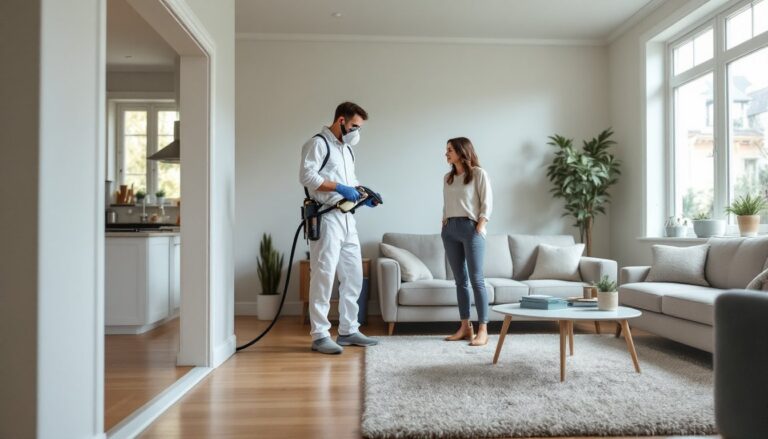
Natural pest control works, but not overnight and not as a set-it-and-forget-it system like a chemical spray might promise. It requires consistency, patience, and a willingness to address root causes. You’ll seal cracks, maintain cleanliness, and refresh sprays and deterrents weekly or monthly. For minor infestations and prevention, this effort pays off with a safer home. For severe, established infestations, especially with structural damage (termites, carpenter ants), you may need a licensed pest professional. The natural methods discussed here form your foundation: combining them dramatically improves your odds of reclaiming a pest-free home without chemical risk.