


Table of Contents
ToggleFleas in your home aren’t just annoying, they multiply fast and can infest your pets, carpets, and furniture within days. If you’ve noticed your dog scratching more than usual, found tiny dark specks on bedding, or spotted small jumping insects, you likely have a flea problem. The good news? You can tackle this yourself with the right approach. This guide walks you through identifying an infestation, preparing your space, choosing the best treatment method, and preventing fleas from coming back. Whether you opt for DIY solutions or bring in a professional home exterminator, you’ll have a clear action plan to reclaim your home.
Key Takeaways
- Identify fleas in your home early by checking pets for small dark insects and flea dirt, examining carpets and furniture for specs, and looking for excessive scratching—catching the problem quickly makes treatment far easier.
- Prepare your home thoroughly by vacuuming daily, washing all pet bedding in hot water, sealing items you can’t wash for 2–3 weeks, and decluttering to ensure treatment reaches all infested areas.
- Choose from DIY solutions like diatomaceous earth or baking soda for mild cases, or hire a professional pest control service for heavy infestations, which typically costs $300–$800 and combines adulticide sprays with insect growth regulators for lasting relief.
- Prevent future flea infestations by keeping your pet on year-round flea prevention, vacuuming weekly, washing pet bedding every 1–2 weeks, and treating your yard during flea season to eliminate pupae in soil and grass.
Identify Signs Of A Flea Infestation
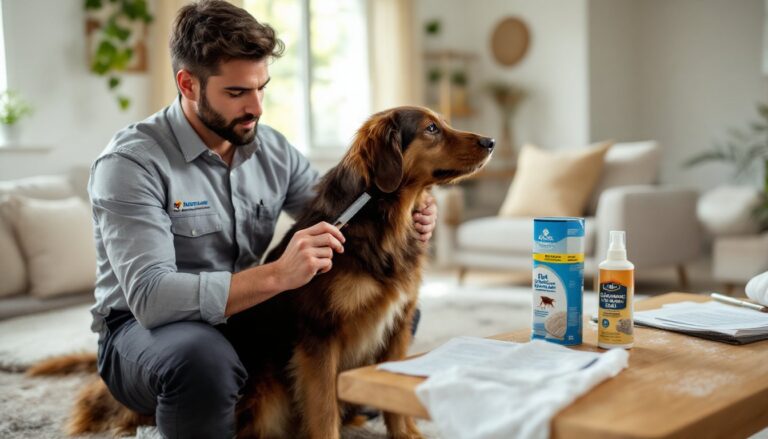
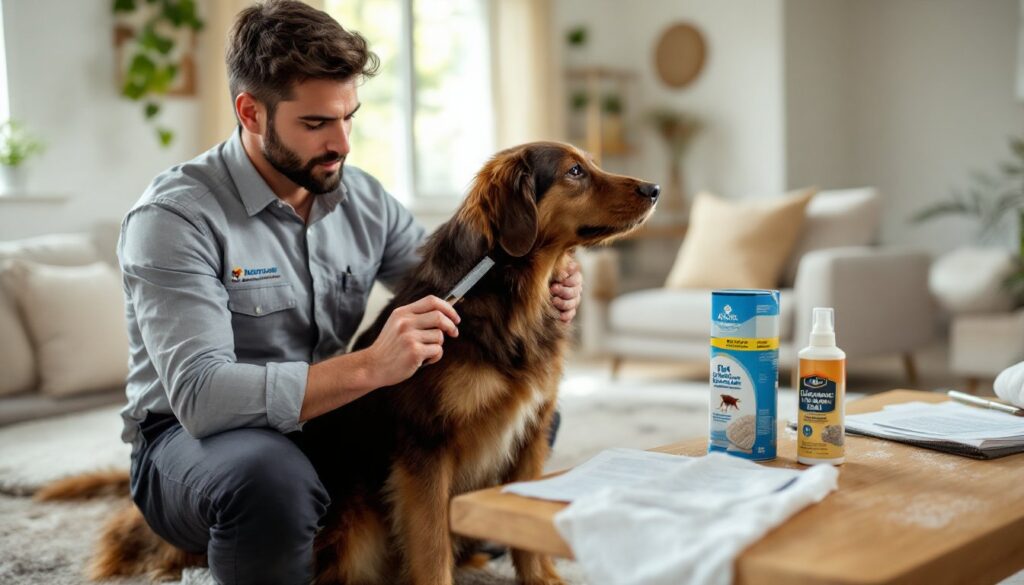
Catching fleas early makes treatment far easier. Start by examining your pets closely, part their fur and look at the skin, especially around the neck, tail base, and belly. You’re looking for small, dark brown or reddish insects about the size of a sesame seed, or their droppings (which look like fine black pepper). Flea dirt is the giveaway: if you comb your pet with a fine-tooth comb and the specks turn reddish-brown when wet, that’s blood from flea bites.
Next, check your home. Fleas hide in carpets, rugs, bedding, and upholstered furniture. Look for tiny dark specs clustered in low-traffic areas or corners where pets sleep. You might also notice your pet scratching excessively, biting at their skin, or developing small red bumps. Humans can get bitten too, usually on ankles and lower legs, with itchy red welts that appear in lines or clusters.
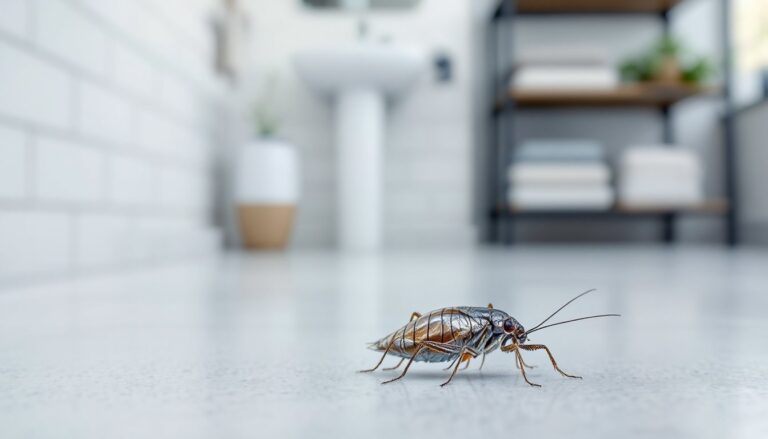
Use a white paper or light-colored sock when walking through carpeted areas: fleas will stick to the fabric and be visible against the white. If you’re unsure whether you have fleas or just dealing with other pests like silverfish in your home, the excessive itching on pets is usually the clearest sign. Don’t wait, fleas reproduce every 7-14 days, so a small problem becomes a major one quickly.
Prepare Your Home For Treatment
Proper prep work is essential before you treat for fleas: skipping this step means treatment failure. Start by vacuuming thoroughly, every carpet, rug, upholstered furniture, and hardwood floor. Pay special attention to baseboards, under furniture, and closets where fleas hide. Vacuum daily for at least a week before treatment and continue for 2-3 weeks after, as it removes eggs and stimulates remaining pupae to hatch so they’re exposed to treatment.
Wash all pet bedding, blankets, and any fabrics the pet contacts in hot water (at least 130°F or 54°C) and dry on high heat. This kills fleas at all life stages. Machine-washable cushions and throw blankets should go through the same cycle. For items that can’t be washed, seal them in plastic bags for 2-3 weeks or place them outside in freezing temperatures to kill the fleas.
Clean hard floors with a damp mop or vacuum first, then mop with hot water, fleas drown easily in water. Declutter before treatment so sprays and powders can reach all affected areas. Move pet food and water bowls away from treated zones. Consider boarding pets or keeping them in a single room during treatment (if using sprays), and check product labels for pet re-entry times. Many professional treatments require pets to stay out for 24-48 hours. Your home exterminator will specify exact precautions, but starting with this prep saves time and improves results whether you go DIY or professional.
Choose Your Treatment Method
Natural And DIY Solutions
If you prefer to handle the infestation yourself, several DIY approaches work well for mild to moderate cases. Diatomaceous earth (DE) is a powder made from fossilized algae that kills fleas by damaging their exoskeleton. Use food-grade DE only (not pool-grade, which is toxic). Sprinkle it on carpets, pet bedding, and furniture, let it sit for 8-12 hours, then vacuum thoroughly. Repeat weekly for 3-4 weeks. Wear a dust mask when applying, inhaling fine powder irritates lungs. DE is safe for pets once dry but avoid breathing the dust.
Baking soda works similarly but is gentler. Mix it with salt (1:1 ratio) and sprinkle on carpets, let sit overnight, and vacuum the next morning. Repeat every few days for 2-3 weeks.
Flea sprays and foggers are effective but require careful application. Over-the-counter sprays like those containing pyrethrins (plant-derived) or synthetic pyrethroids work on contact. Foggers cover larger areas but require you to leave the home for 2-4 hours and ventilate afterward. Always read labels, many require pets and children to vacate. Open cabinets and closets so fog reaches hiding spots. After ventilating, vacuum up dead fleas and debris.
For pets, topical flea treatments (like Advantage or Seresto collars) prevent reinfestation while you treat the home. These are available without prescription and work for 30 days or longer. Bathe pets with a flea shampoo first to kill adult fleas, then apply the topical treatment 24 hours later.
Professional Pest Control Options
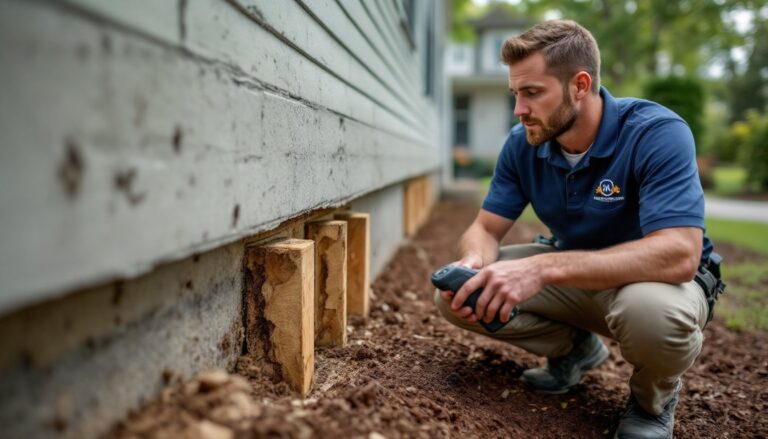
For heavy infestations or if DIY methods haven’t worked after 3-4 weeks, hire a professional home pest control service. They apply residual sprays that kill fleas for weeks and target all life stages. Professionals often use combinations, an adulticide spray plus an insect growth regulator (IGR) like pyrethrins or neonicotinoids. This two-pronged approach prevents reinfestation more reliably than DIY alone.
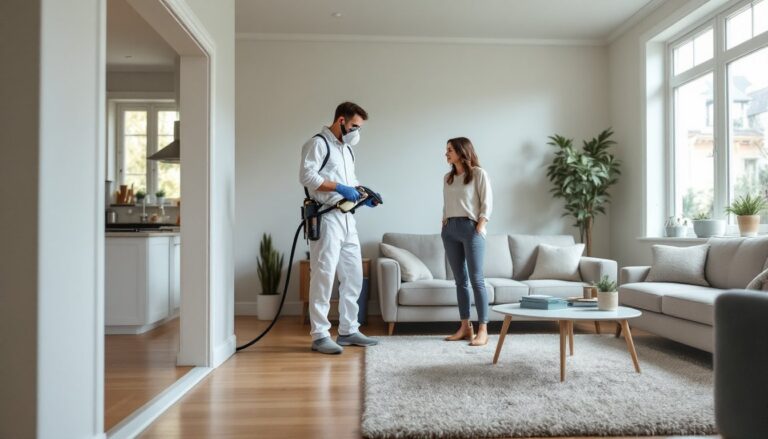
Home pest control services typically cost $300–$800 for a single treatment, depending on home size and infestation severity. Some offer multi-treatment plans ($600–$1,500 total) spaced 2-3 weeks apart to catch newly hatched fleas. A professional home exterminator will provide specific instructions: keep pets and kids away for a set period, ventilate thoroughly, and often schedule follow-up visits. This approach is worth the cost if you have elderly residents, young children, or immunocompromised family members who can’t tolerate multiple DIY chemical applications. Research local pest control options and ask about their use of IGRs, they’re the difference between a temporary fix and lasting relief.
Prevent Future Flea Infestations
Once you’ve cleared the fleas, prevention keeps them from returning. The simplest step: keep your pet on year-round flea prevention. Monthly topical treatments, oral preventatives, or flea collars are far cheaper than treating a home infestation. Discuss options with your vet, some pets do better with certain products, and prescriptions are often more effective than over-the-counter versions.
Maintain good home hygiene. Vacuum at least weekly, wash pet bedding every 1-2 weeks in hot water, and keep pet areas clean and clutter-free. Bathe pets monthly with mild soap to remove potential flea eggs before they develop. Groom pets regularly with a flea comb, especially during warmer months when flea activity peaks.
If you have wildlife or stray animals accessing your yard, fence off areas or remove shelter (brush piles, tall grass) where fleas thrive. Fleas enter homes via wildlife, so limiting outdoor exposure to your pets reduces risk. Treat your yard with an outdoor insecticide during flea season (spring through fall) if infestations keep returning, fleas pupate in soil and grass. According to flea control research, addressing yard conditions is key to lasting prevention. Some regions recommend treating every 4-6 weeks during peak season: ask your local extension office or pest control provider what suits your climate.
Conclusion
Fleas in your home are treatable, the key is acting fast and being thorough. Identify the problem early, prepare your space correctly, and choose a treatment method that fits your situation. Whether you go DIY with diatomaceous earth and sprays or call in a professional, consistency matters. Follow up with prevention to keep fleas gone for good. Your home will be pest-free again sooner than you think.