




Table of Contents
ToggleTermites are one of the most destructive pests homeowners face, quietly eating away at the structural integrity of a house while causing damage that can cost tens of thousands of dollars to repair. Unlike many household pests that are merely annoying, termites in your house pose a genuine financial and safety risk. The challenge is that termites inside house often work invisibly, hidden in walls, foundations, and wooden beams, so by the time many homeowners notice a problem, significant damage has already occurred. Early detection and a solid prevention strategy are your best tools for protecting your home and wallet. This guide covers everything you need to know about identifying, treating, and preventing termite infestations, whether you’re dealing with an active problem or want to stay ahead of one.
Key Takeaways
- Termites in a house cause severe structural damage quietly over time, making early detection through mud tubes, soft wood, and discarded wings critical for protecting your home and wallet.
- The three main termite types—subterranean, drywood, and dampwood—require different treatment approaches, so professional pest control inspection is the best way to identify the species infesting your property.
- Prevention is far cheaper than repairs: eliminate wood-to-soil contact, control moisture, remove dead wood, and schedule annual inspections to catch termite problems before they escalate.
- Most active termite infestations require professional treatment using soil barriers, foam injections, and bait systems, which typically cost $500–$2,500 but save thousands in potential structural repairs.
- Long-term protection depends on consistent maintenance: keep proper grading around your foundation, maintain moisture barriers, avoid wood mulch near the house, and use termite-resistant materials for replacements.
How to Identify Termites Before They Cause Serious Damage
Common Signs of Termite Infestations
Termites leave behind telltale evidence if you know what to look for. Mud tubes are one of the most recognizable signs, these are pencil-thick tunnels that subterranean termites build along foundation walls and basement columns to travel from soil to wood. Mud tubes protect termites from dry air and exposure as they move between their colonies underground and wooden structures above ground.
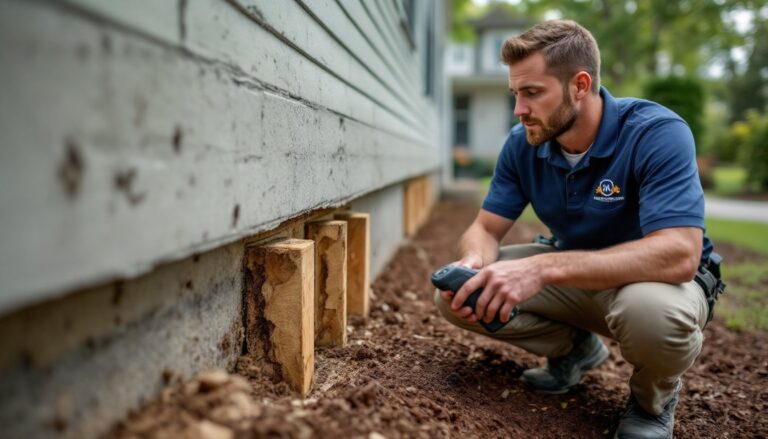
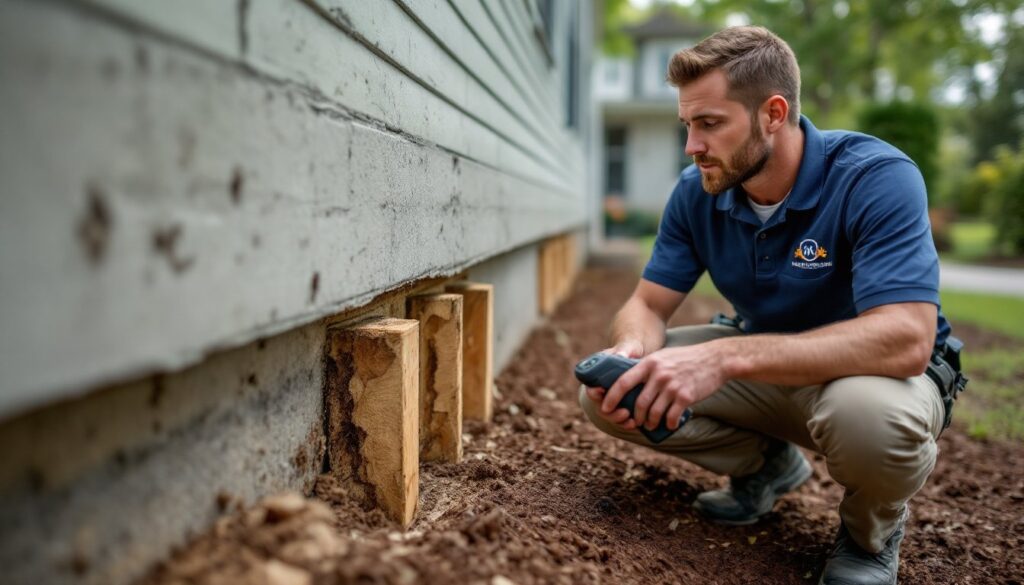
Wooden damage itself appears as hollowed-out wood that sounds papery or soft when you tap it with a screwdriver. Because termites eat wood from the inside out, damage often goes unnoticed until the structural damage is severe. You may also spot termite droppings, which look like fine sawdust or sand in small piles near infested wood. Discarded termite wings around windowsills, baseboards, or light fixtures indicate that swarmers (reproductive termites) have been active in your home.
Other warnings include discolored drywall, visible sagging in floors or ceilings, blistering paint on wooden surfaces, and an earthy, musty odor near infested areas. According to resources covering signs of termites, checking wood, mud tubes, wings, and warping regularly catches problems early. If you notice any of these signs, don’t delay, termite damage compounds rapidly.
Types of Termites and What to Look For
Not all termites behave the same way, and knowing what species you’re dealing with helps guide treatment decisions. Subterranean termites are the most destructive and common in North America. They live in colonies underground and tunnel into homes through foundation cracks or wood-to-soil contact. They typically swarm in spring and are the culprits behind most structural damage.
Drywood termites don’t need soil contact and can infest wooden furniture, attics, or structural wood directly. They’re less common in cooler climates but are a serious problem in the Southwest and coastal regions. Dampwood termites prefer moist wood and are usually found in areas with water leaks or high humidity. While less common, they cause significant damage when present.
The key difference: subterranean termites travel through soil and mud tubes, drywood termites live entirely within wood, and dampwood termites concentrate in damp environments. Identifying which type you have informs whether you need soil treatments, wood treatments, or moisture control. A local pest control professional can identify the species through inspection, which is often the first step in any treatment plan.
Why Prevention Is Your Best Defense Against Termite Damage
Prevention is far cheaper and less disruptive than dealing with an active infestation. The most effective prevention strategy targets the conditions termites need: shelter, moisture, and food sources. Eliminate wood-to-soil contact wherever possible. This means keeping wooden siding, deck joists, and wooden fence posts at least 18 inches above grade. Where wood must touch soil, like posts in concrete piers, use pressure-treated lumber rated for ground contact or install physical barriers like metal shields.
Control moisture because termites are drawn to damp environments. Fix leaking pipes, ensure gutters direct water away from the foundation, and grade soil so it slopes away from your home’s perimeter. In basements and crawl spaces, install a vapor barrier and maintain proper ventilation. Poor drainage and standing water near the foundation create ideal conditions for termite colonies to establish themselves.
Remove termite food sources by clearing dead wood, stumps, and firewood piles away from your house. Mulch and wood chips can harbor termites, so keep them at least 12 inches from your foundation. Annual inspections, especially in spring and early summer when swarmers are active, catch problems before they escalate. Many homeowners pair visual inspections with professional termite inspections every 1–2 years as a preventive measure. The cost of an inspection is minimal compared to the expense of structural repairs that come from ignoring early warning signs.
DIY Treatments and When to Call a Professional
If you discover a termite infestation, honesty is important: most active termite problems require professional treatment. But, understanding your options helps you make informed decisions.
DIY options are limited but not nonexistent for minor, localized problems. Liquid borate treatments can be applied to exposed wood surfaces and are available as sprays or solutions you paint on. These work best as a preventive treatment on vulnerable wood rather than a cure for established colonies. Borate dust can be blown into wall cavities and attic spaces using a hand applicator, and it kills termites that ingest it. This approach works only if you can access the infested area and confirm the colony is small.
The reality: subterranean termite colonies can contain millions of individual termites spread underground across thousands of square feet. A single DIY treatment rarely eliminates an entire colony. Resources covering how to get rid of termites detail inspection methods, warning signs, and why professional treatment options often deliver better results than DIY approaches.
Call a professional if: the infestation is active (visible damage, mud tubes, or recent swarmers), you suspect subterranean termites, the infestation is in structural wood or hard-to-reach areas, or your DIY attempts haven’t resolved the problem. Licensed pest control companies use methods like soil barriers, foam injections, and bait systems that homeowners can’t replicate safely or effectively. Treatment costs range widely, typically $500 to $2,500 depending on infestation severity and home size, but that’s far less than structural repairs.
Protecting Your Home: Long-Term Prevention Strategies
Long-term protection requires ongoing attention and maintenance. Annual inspections of the foundation, crawl space, basement, and any wooden structural elements catch new activity before it becomes a major problem. Use a moisture meter to check wood near water sources, and probe suspect wood with a screwdriver or awl to test for softness. Keep detailed notes of what you find so you can spot changes year to year.
Maintain proper grading around your home’s perimeter to ensure water drains away from the foundation rather than pooling. Check gutters, downspouts, and drainage systems after heavy rains. Install or repair moisture barriers in basements and crawl spaces. A damp basement is a termite magnet, so dehumidifiers and proper ventilation are worthwhile investments.
Use termite-resistant materials when replacing wood. Pressure-treated lumber, composite materials, and naturally resistant species like redwood or cedar are less attractive to termites than standard softwood. When building new additions, decks, or sheds, choose materials that withstand termite pressure better than untreated wood.
Avoid wood mulch directly against your foundation. If you want mulch for landscaping, keep it at least 12 inches from the house and consider alternatives like gravel or landscape fabric. Keep firewood stacked away from your house, at least 20 feet is ideal, and store it off the ground on a metal rack.
While discussing home pests, it’s worth noting that other common invaders like american house spiders typically pose no structural threat, though they’re understandably unwelcome. The difference: spiders are beneficial predators that eat problem insects, whereas termites are destructive by nature. Focus your prevention efforts on moisture control and eliminating wood-to-soil contact, and you’ll reduce termite risk dramatically.
Conclusion
Termites in a house demand quick attention, but early detection and prevention save time, money, and stress. Know what signs to watch for, mud tubes, soft wood, droppings, and swarmers, and don’t ignore them. Professional treatment is the right call for active infestations, while consistent prevention keeps colonies from establishing in the first place. Moisture control, eliminating wood-to-soil contact, and annual inspections form the backbone of effective long-term protection. The bottom line: protect your home now, and you’ll avoid the far costlier nightmare of structural damage later.