




Table of Contents
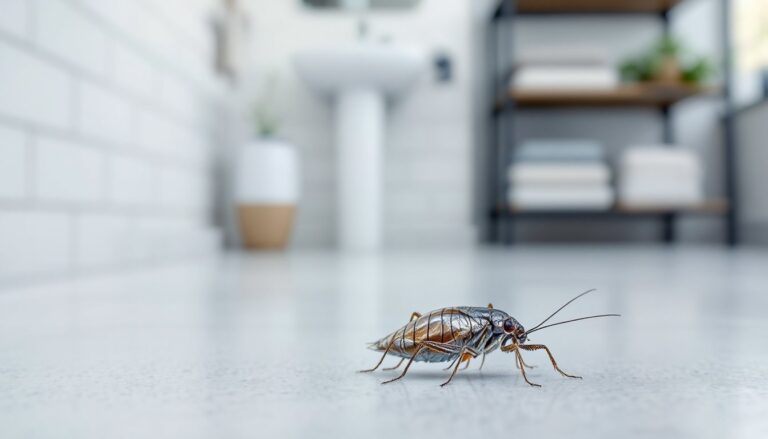
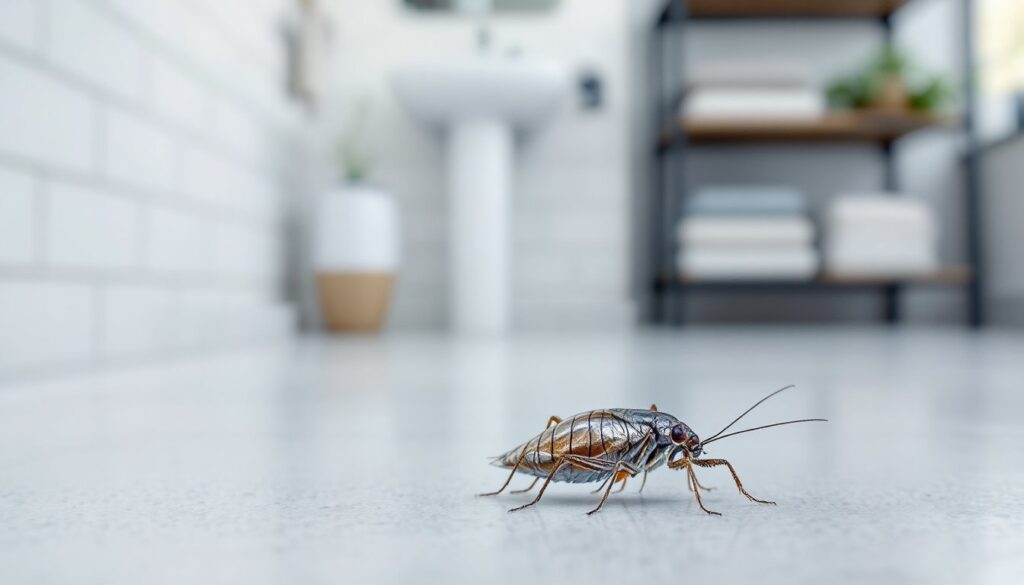
ToggleSpot a tiny silver, fish-shaped bug skittering across the bathroom tile at midnight? That’s almost certainly a silverfish. They’re harmless to people, but they chew through books, wallpaper, cardboard, and pantry staples while no one is looking. Worse, they’re a sign the home has a moisture problem somewhere. This guide walks through how to identify silverfish, why they’ve moved in, the damage they cause, and the most reliable ways to evict them, including natural bug control methods that don’t require an exterminator.
Key Takeaways
- Silverfish bugs are attracted to homes with humidity above 75% and cellulose-based food sources, making moisture control the first step in eliminating an infestation.
- You can identify a silverfish infestation by spotting yellowish stains, black droppings, irregular holes in paper and wallpaper, or live sightings in bathrooms and sinks.
- Reduce relative humidity below 50% using a dehumidifier, fix leaky pipes, declutter storage, and seal entry points with caulk or weatherstripping to prevent silverfish from returning.
- Natural remedies like food-grade diatomaceous earth, boric acid, cedar shavings, and sticky traps are effective for killing silverfish without synthetic pesticides when combined with humidity control.
- Contact a professional exterminator if sightings continue after 4-6 weeks, damage appears in multiple rooms, or your home has chronic moisture issues requiring structural repairs.
What Silverfish Are and How to Spot Them
Silverfish (Lepisma saccharina) are wingless insects about ½ to ¾ inch long, with a teardrop-shaped body that tapers from head to tail. They’re covered in fine, metallic-gray scales that give them their namesake shimmer, and they move in a quick, wriggling motion that mimics a fish out of water.
A few telltale signs they’ve moved in:
- Yellowish stains or tiny black pepper-like droppings on shelves, books, or cardboard
- Irregular holes or notched edges on paper, wallpaper seams, and book bindings
- Shed skins (silverfish molt repeatedly throughout their lives)
- Live sightings in sinks or bathtubs, where they get stuck on the slick surface
They’re nocturnal and shy, so daytime sightings usually mean a sizable population is already established.
Why Silverfish Invade Your Home
Silverfish need two things: humidity above 75% and a steady food source. They thrive on starches and sugars, which means anything containing cellulose, glue, or carbohydrates is on the menu, from old paperbacks to cereal boxes to drywall paste.
Leaky pipes, poor bathroom ventilation, damp basements, and clogged gutters that funnel water against the foundation all create the moist microclimates they need. Homes in humid climates, or houses that have been recently flooded or rained on, are especially attractive. According to a practical overview of silverfish behavior, these insects can live up to eight years and reproduce slowly but steadily, which is why a small problem can quietly become a big one.
Common Hiding Spots and Entry Points
Silverfish squeeze through cracks as thin as a credit card. They typically settle into:
- Bathrooms, around tubs, toilets, and under vanities
- Basements and crawl spaces with exposed plumbing
- Attics with poor insulation or roof leaks
- Kitchen pantries, behind appliances, and inside cabinet voids
- Storage boxes filled with paper, books, or fabric
Entry points usually include foundation cracks, gaps around utility penetrations, torn window screens, and unsealed thresholds. They can also hitchhike indoors inside cardboard boxes from a damp garage or storage unit.
The Damage Silverfish Can Cause
Silverfish don’t bite, sting, or spread disease, but they’re destructive in slow, frustrating ways. They feed on polysaccharides, the binding agents found in book glue, wallpaper paste, and starched fabrics. Over months, that adds up to chewed photographs, ruined family documents, peeling wallpaper edges, and pinprick holes in stored linens.
A breakdown of what causes silverfish infestations notes that they’ll also contaminate dry pantry goods like flour, oats, and pet food, leaving behind scales and droppings. In extreme cases, large populations have been linked to mild allergic reactions, since their shed skins can become airborne dust. They’re also a buffet item for centipedes, earwigs, and spiders, so a silverfish problem often invites secondary pests.
Proven Ways to Get Rid of Silverfish
Effective silverfish control follows a three-step sequence: reduce humidity, eliminate food and shelter, then kill what’s left. Skipping the moisture step is the most common reason DIY treatments fail.
- Run a dehumidifier in basements and bathrooms until relative humidity drops below 50%. A basic hygrometer (around $10–$15) makes monitoring easy.
- Fix leaks under sinks, around tubs, and at exterior hose bibs. Replace cracked caulk lines with mildew-resistant silicone.
- Declutter storage areas. Swap cardboard boxes for sealed plastic bins, especially for books, holiday decor, and out-of-season clothing.
- Seal entry points with caulk, weatherstripping, or steel wool stuffed into pipe gaps. Wear safety glasses and gloves when working with caulk guns and sealants.
- Vacuum cracks and baseboards weekly during active infestations, then empty the canister outside.
Natural Remedies That Actually Work
For homeowners who’d rather skip synthetic pesticides, several natural bug control options have solid track records:
- Diatomaceous earth (food-grade): A fine powder that scratches the insect’s exoskeleton and dehydrates it. Dust a thin line behind appliances, along baseboards, and inside cabinet voids. Wear a dust mask during application.
- Boric acid: Effective but mildly toxic, so keep it away from pets and kids. Apply it the same way as diatomaceous earth.
- Cedar shavings or essential oils (cedar, lavender, citrus): Silverfish dislike the scent. Tuck sachets into closets and book shelves.
- Sticky traps: Place them flat against walls in suspected zones to monitor activity and confirm hot spots.
- Cinnamon sticks and bay leaves: A traditional repellent for pantries: not a kill method, but useful for deterrence.
A practical roundup of moisture-control and trapping tactics reinforces that combining two or three of these methods works far better than relying on any single one. Expect results within two to four weeks, not overnight.
When to Call a Professional Exterminator
DIY methods handle most cases, but a professional is worth the call when:
- Sightings continue after four to six weeks of consistent treatment
- Damage shows up in multiple rooms, suggesting nesting inside wall cavities
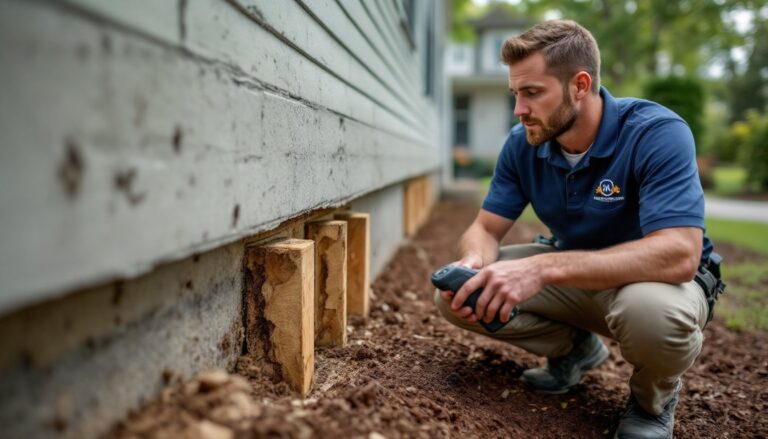
- The home has chronic moisture issues tied to grading, roofing, or foundation problems
- Allergies or asthma make handling powders and sprays risky
A licensed pest control operator can apply residual insecticides in wall voids and attics that aren’t safe for homeowners to treat. They may also identify a related issue, like a hidden plumbing leak, that a natural bug exterminator approach can’t fully resolve. Costs vary widely by region and home size, so getting two or three quotes is smart.
Final Thoughts
Silverfish in a home aren’t a hygiene failure, they’re a humidity signal. Dry the house out, seal the cracks, store food and paper in airtight containers, and the population collapses on its own. Pair that prep work with diatomaceous earth or sticky traps, and most homeowners can clear an infestation without ever picking up the phone. Persistence beats panic every time.