




Table of Contents
ToggleBox elder bugs are a nuisance most homeowners encounter at some point, especially in fall and spring. These black-and-red insects cluster on warm surfaces, invade walls, and emerge indoors when temperatures drop. While they don’t bite or damage property directly, their sheer numbers create an annoying mess and indicate your home‘s perimeter needs sealing. The good news: box elder bug pest control is straightforward if you act fast and address both prevention and elimination. This guide walks you through identifying them, stopping infestations before they start, and tackling active problems with both DIY and professional approaches.
Key Takeaways
- Box elder bug pest control requires a two-pronged approach combining prevention through sealing entry points and active removal once bugs invade.
- Inspect your home’s exterior in late summer for cracks, gaps, and loose weatherstripping, then caulk and seal these entry points before fall infestations begin.
- Light infestations can be managed with vacuuming, food-grade diatomaceous earth, or insecticide sprays, but heavy infestations warrant professional pest control services ($300–$800).
- Trim tree branches and remove box elder or maple trees near your roof to eliminate direct pathways for bugs seeking overwintering sites.
- If you’re removing dozens of bugs weekly or they’re emerging from walls faster than you can handle, professional exterminators offer warranties and access to potent treatments.
- Early identification of clusters on south-facing walls during August through October is critical—catching box elder bugs at the perimeter is far easier than removing them once they’re inside your walls.
What Are Box Elder Bugs and Why They Invade Your Home
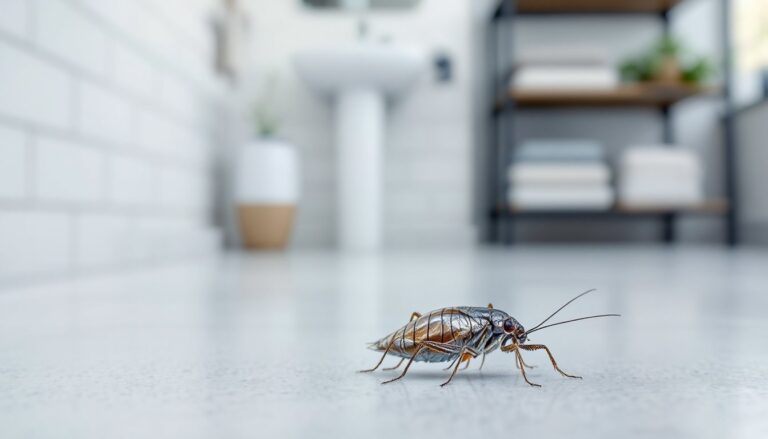
Box elder bugs (Boisea trivittata) are small, flat insects about half an inch long with distinctive black bodies and red markings on their wings and undersides. They emerge each year from box elder trees and maples, where they feed on seeds and developing leaves. Come fall, they hunt for warm overwintering sites, and your home’s walls, attics, and crawl spaces are prime real estate.
They’re attracted to south-facing walls that catch afternoon sun. Once they find cracks, gaps around windows, or loose siding, they slip inside in large numbers. A single crack can lead to dozens, or even hundreds, settling in your walls. They don’t eat wood, fabric, or stored food, but their presence is deeply annoying, especially when they wake up on warm winter days indoors and start crawling around your living spaces.
The real issue isn’t the bugs themselves but what their invasion signals: your home’s envelope has gaps that let in drafts, moisture, and other pests. Fixing a box elder bug problem means addressing those weak points, not just killing the bugs you see.
How to Identify a Box Elder Bug Infestation
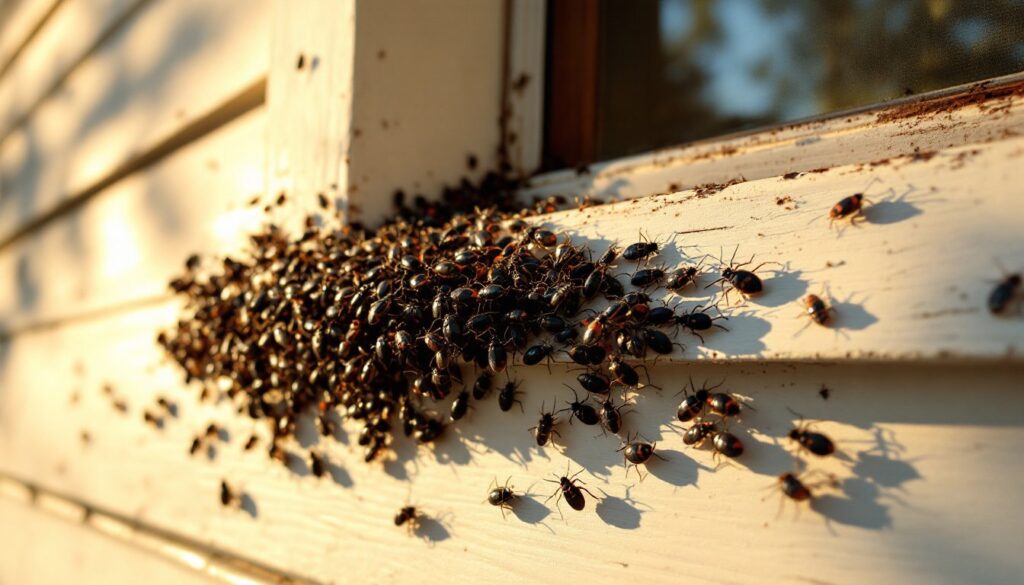
Box elder bugs are easy to spot once you know what to look for. Look for small black insects with two thin red lines on their back and red coloring on their legs and wing edges. The easiest way to confirm an infestation is their behavior: they congregate in large numbers on warm surfaces, especially sunny walls or windows on fall and spring mornings.
Inside your home, you’ll typically notice them gathering around windowsills, door frames, and attic vents. On mild winter days, they become active indoors and cluster near lights or warm areas. A light infestation might mean spotting a handful near a window: a heavy one means dozens crawling around regularly.
Check south-facing walls outside your home during late August through October, this is peak clustering season. If you see groups of them congregating, you’ve got a problem before it spreads deeper into your home. Early identification matters: once they’re inside your walls, they’re much harder to remove. As part of broader home defense pest control strategies, catching them at the perimeter is your best bet.
Prevention Strategies Before They Arrive
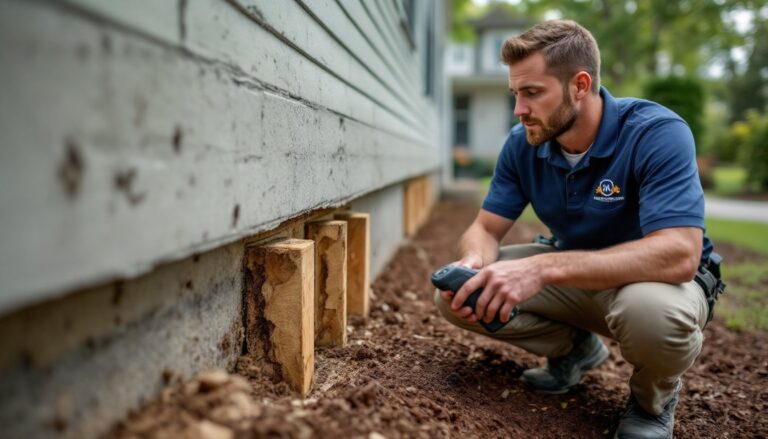
Prevention is your first and best defense against box elder bug infestations. Start in late summer by inspecting your home’s exterior for entry points: cracks in siding, gaps around window frames, loose weatherstripping, and openings where utilities enter. Caulk or seal every gap you find with quality exterior caulk rated for temperature cycling.
Check weatherstripping around doors and windows, especially older homes where gaps widen over time. Replace worn strips or add new ones: V-strip weatherseal is affordable and effective. Inspect soffit vents, dryer vents, and exhaust fans: install or repair screens if they’re missing or damaged.
Trim branches from box elder and maple trees that hang over or touch your roof and siding. These trees are the source, and removing direct pathways reduces the likelihood of bugs finding your home attractive. If you’ve got a heavily infested box elder tree on your property, removing it entirely eliminates the breeding ground, though that’s a bigger project to plan.
Inside, seal gaps around pipes, wires, and where walls meet the foundation. Use expanding foam for larger gaps: it’s cheap and effective. These steps don’t require a permit and can be completed in a weekend, making prevention the most cost-effective approach.
DIY Treatment Methods for Active Infestations
Once box elder bugs have invaded, you’ve got options ranging from simple suction removal to chemical sprays. The method you choose depends on how many bugs you’re dealing with and where they’re concentrated.
Natural and Chemical Solutions
Vacuum and Remove: For light infestations, a handheld vacuum or shop vac is your quickest tool. Suck up bugs from windowsills and walls, then empty the canister outside (they can escape from a bag filter). This works best for bugs actively crawling indoors. It’s harmless, costs nothing extra, and solves the immediate problem. Do this regularly on warm winter days when they’re active.
Diatomaceous Earth: Food-grade diatomaceous earth (DE) is a non-toxic powder that damages insects’ exoskeletons. Dust it along baseboards, window frames, and wall gaps where bugs hide. Wear a dust mask when applying, don’t inhale the fine particles. Reapply after rain or cleaning. Results take a few days, but it’s safe around pets and kids. This method works better outdoors on surfaces where bugs congregate.
Insecticide Sprays: For heavy infestations, an exterior spray applied in late August or September targets bugs before they enter. Use an insecticidal soap or synthetic pyrethrin-based spray labeled for box elder bugs. Spray the sunny sides of your home where clusters typically form. Follow label directions exactly, wear gloves, goggles, and a respirator if recommended. These sprays kill on contact but require reapplication every 7-10 days or after rain.
Perimeter Barriers: Some homeowners apply a residual insecticide (like bifenthrin) along the foundation and lower walls in fall. This creates a barrier that kills bugs trying to enter. It’s more effective than interior treatment since you’re stopping them at the source. Hire a professional applicator for this if you’re uncomfortable handling chemicals, costs typically run $150–$300 for a standard home.
Whatever method you choose, pair it with sealing cracks and gaps. Killing the bugs you see doesn’t stop new ones from finding entry points.
When to Call Professional Pest Control
DIY methods work for light to moderate infestations, but heavy clusters deep in walls often require professional intervention. If you’re vacuuming dozens of bugs weekly all winter, or if they’re emerging from walls faster than you can remove them, it’s time to call an exterminator.
Professionals have access to more potent residual sprays, fumigation equipment, and expertise in locating hidden colonies inside walls. They can also identify whether box elder bugs are your only problem, sometimes clusters of bugs indicate other pests using the same entry points.
Expect to pay $300–$800 for a standard treatment, depending on your home’s size and the infestation’s severity. Most reputable pest control companies offer warranties: if bugs return within 30–60 days, they’ll retreat at no charge. This guarantee is worth the extra cost if DIY methods aren’t cutting it. As part of comprehensive pest control at home planning, knowing when to escalate shows good judgment.
Conclusion
Box elder bug pest control boils down to sealing entry points, removing active bugs, and keeping up with prevention each season. Start in late summer with a thorough exterior inspection, caulk gaps, and trim branches. If bugs still arrive, use vacuums or insecticides to manage them. For heavy infestations, don’t hesitate to hire professionals, the cost is justified when you’re spending all winter fighting them. Your goal isn’t just killing this year’s bugs: it’s making your home inhospitable to future invasions.