




Table of Contents
ToggleA mouse in the house isn’t just unsettling, it’s a genuine problem that gets worse the longer you wait. Mice multiply fast, contaminate food and surfaces, and can chew through wiring, insulation, and drywall. The good news? You don’t need to call an exterminator for every mouse sighting. With the right combination of traps, baits, and prevention strategies, most homeowners can handle a mouse problem themselves. This 2026 guide walks you through effective removal methods and practical ways to keep mice out of your home for good.
Key Takeaways
- The best pest control for mice combines snap traps or electronic traps with proven baits like peanut butter and bait stations containing anticoagulant rodenticides.
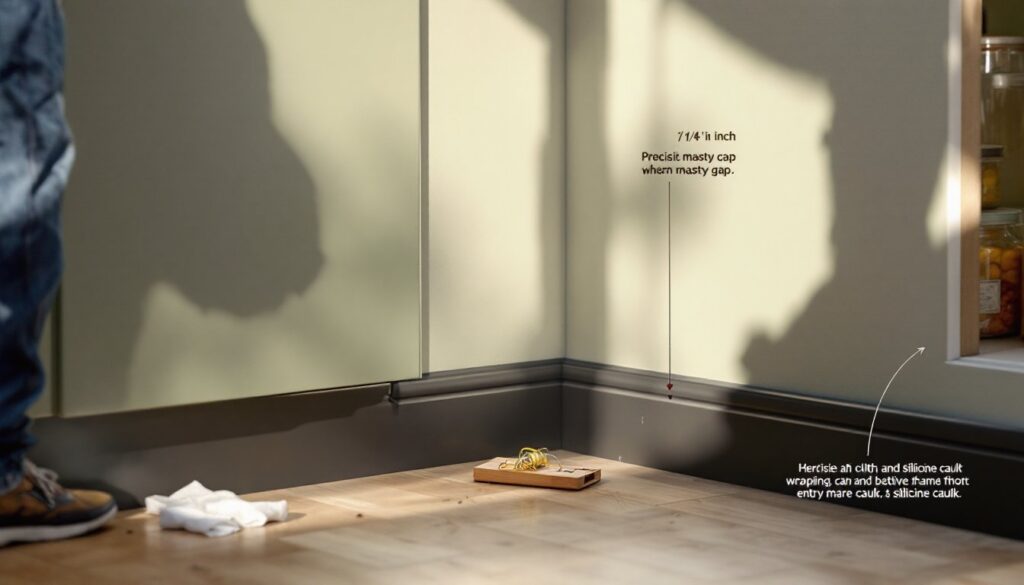
- Mice can squeeze through gaps as small as 1/4 inch, so sealing entry points with hardware cloth, caulk, and metal flashing is essential for long-term prevention.
- Most light mouse infestations can be resolved within two weeks using 8-10 strategically placed traps along walls and behind appliances, checked daily.
- Store food in airtight containers, eliminate clutter in attics and basements, and keep outdoor debris piles away from your home to remove food sources mice depend on.
- Call a professional pest control service if you’re catching more than 10 mice per week, seeing mice during the day, or if infestations return after your own treatment efforts.
Understanding Your Mouse Problem
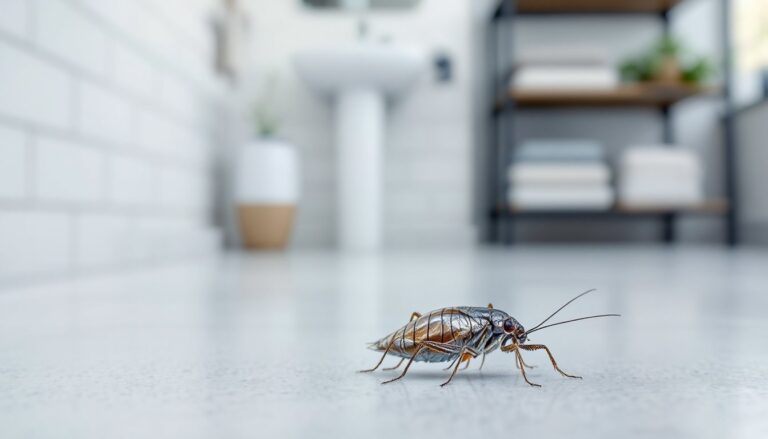
Before you set a single trap, figure out what you’re dealing with. A mouse or two wandering inside during fall is different from an active infestation. Look for droppings (about the size of a grain of rice), gnaw marks on food packaging or baseboards, and that distinctive musty smell in enclosed spaces like pantries or under cabinets.
Mice are most active at night, so you might hear scratching sounds in walls or attic spaces after dark. Track their activity for a few days, set traps in areas where you see droppings or damage, and note how many you catch. If you’re catching multiple mice per night over several nights, you’ve got a genuine infestation and may need professional help.
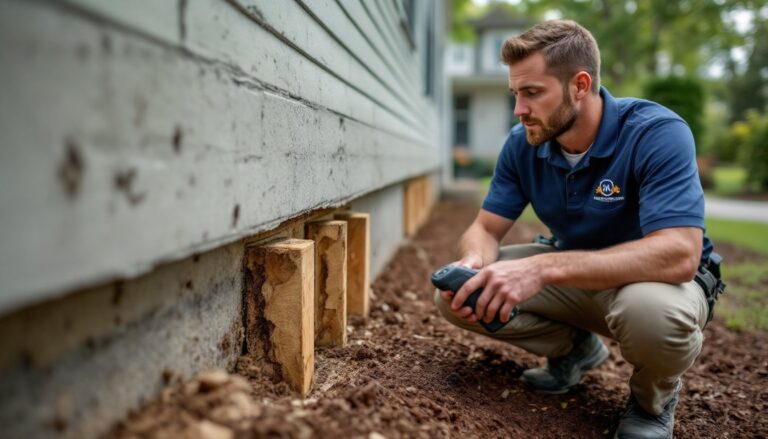
Check your home’s entry points too. Mice can squeeze through gaps as small as 1/4 inch, so gaps around pipes, foundation cracks, and poorly sealed doors and windows are common culprits. Understanding whether this is a prevention situation or an active infestation will guide your trapping strategy and help you decide whether Home Pest Control: 10 covers your specific needs.
Effective Traps and Removal Methods
Snap Traps vs. Electronic Traps
Snap traps are the old reliable, cheap, reusable, and effective when set correctly. A standard wooden snap trap with a spring mechanism costs about $1 to $3 per trap. The key to success is proper placement and baiting. Set traps perpendicular to walls where mice travel (they run along edges, not across open floor). Bait them with peanut butter, chocolate, or nesting material like cotton, mice are attracted to the scent and texture.
The downside? Snap traps kill instantly when working right, but misfires happen. They also require you to handle dead mice, which bothers some people. Place them where pets and children can’t reach them.
Electronic traps deliver a high-voltage shock that kills mice quickly and humanely. Models like those highlighted in recent reviews of the best mouse traps in 2024 cost $25 to $50 per unit but eliminate the mess and guesswork. Many have battery indicators and easy disposal chambers. They’re worth the investment if you’re squeamish or have ongoing activity.
Glue traps catch mice alive and are inexpensive, but they’re cruel, mice struggle, suffer, and can take hours to die. Avoid them. If you want to relocate live mice, use a baited box trap that captures them unharmed, then release them at least 2 miles from your home. Check local regulations first: some areas prohibit relocation.
Place 8 to 10 traps for a light infestation, concentrating them along walls, behind appliances, and in corners. Mice will often avoid new objects in their paths, so bait traps for a day or two before setting the trigger. Check and reset traps daily, a dead mouse left too long attracts flies and creates odor.
Natural and Chemical Bait Solutions
What you use to bait traps matters as much as the trap type. Peanut butter is the gold standard, it’s sticky, aromatic, and mice love it. A dime-sized dab on the trigger is plenty. Nesting material like dryer lint, cotton balls, or shredded paper also works because mice collect it to build nests.
For baited stations (small plastic boxes with poison pellets inside), use commercial rodent baits containing brodifacoum or difethialone, anticoagulants that cause internal bleeding. These are more effective than snap traps alone in active infestations. Place bait stations in the same locations as traps, out of reach of pets and children. Wear gloves when handling poisoned baits to avoid skin contact.
Natural alternatives like peppermint oil or ultrasonic repellents sound appealing but don’t work reliably. Mice become habituated to sounds and smells. Stick with proven methods: traps and bait stations. Some homeowners combine snap traps in high-traffic areas with bait stations in low-activity spots to catch stragglers. This layered approach is more effective than relying on one method alone.
If you’re using chemical baits, never mix baiting methods in the same room, competing scents confuse mice. Change baits every 3 to 5 days if catches slow down. Dead mice can create odor problems in walls, so traps are often better than poison if access is easy.
Prevention Strategies That Actually Work
Sealing Entry Points and Maintaining Your Home
Prevention is always easier than dealing with an infestation. Start with a thorough inspection of your home’s exterior and interior. Look for gaps around pipes, foundation cracks, holes in siding, and loose door seals. Mice need only a 1/4-inch opening to squeeze through, so don’t assume small gaps aren’t a problem.
Use 1/4-inch hardware cloth or steel mesh to seal gaps around pipes, vents, and utility lines. Caulk smaller cracks with silicone or acrylic caulk rated for gaps up to 1/2 inch. For larger holes in drywall or exterior walls, patch with drywall compound and tape, or use metal flashing as a chew-proof barrier. Don’t rely on foam sealant alone, mice chew through it.
Keep your home clean and uncluttered. Store food in airtight glass or plastic containers, not cardboard or bags. Don’t leave pet food out overnight: secure it in sealed containers. Sweep up crumbs immediately, especially in kitchens and dining areas. A crumb-free kitchen removes food motivation and makes mice less likely to stick around.
Manage clutter in attics, basements, and garages. Mice nest in piles of boxes, old clothes, and newspapers. Remove unnecessary items and store what you keep in plastic bins with tight-fitting lids. Check stored items regularly for gnaw marks or droppings.
Trim vegetation and remove debris piles outside your home. Mulch piles, leaf litter, and overgrown shrubs provide shelter for mice before they make it indoors. Keep firewood stacks at least 20 feet from your house. Gutters and downspouts should direct water away from foundations: standing water attracts insects that mice eat, so eliminating pest food sources matters too. Many people find that Home Defense Pest Control: provides actionable strategies beyond just trapping and baiting.
When to Call a Professional
Some situations demand professional help. If you’re catching more than 10 mice per week, seeing mice during the day (a sign of overpopulation), or discovering dead mice in hard-to-reach spaces like walls, you have a serious infestation. Professionals have access to stronger baits, better sealing materials, and the experience to identify why mice are entering.
If your home has structural issues, missing foundation seals, damaged attic vents, or widespread entry points, a pest control company’s inspection may save you money by finding problems you’d miss. They can also apply perimeter treatments that deter mice from approaching your home.
Also call a professional if you’re uncomfortable handling traps or poison, or if mice return repeatedly after your own efforts. Some infestations stem from structural problems or nearby food sources (restaurant, grocery store, dumpsters) that require strategies beyond DIY control.
Regional professionals often know local codes and regulations around pest control and disposal. In areas with high mouse pressure (rural properties, older homes, or regions with cold winters), an annual preventive inspection from a pest control company is a worthwhile investment. Get quotes from at least three local companies and ask what they include in their service agreements.
Taking Control of Your Mouse Problem
The best pest control for mice combines trapping, baiting, and prevention. Start with snap traps or electronic traps in active areas, use proven baits, and immediately address entry points and food sources. Most light infestations resolve within two weeks of consistent trapping and cleanup. Stay diligent, mice are persistent, but so can you be. If the problem persists or overwhelms you, pest control services deliver faster, professional-grade results and long-term peace of mind.