




Table of Contents
ToggleMost homeowners focus on interior pest control without realizing that window and door frames are ground zero for invasions. Gaps as small as 1/8 inch are enough for insects to slip through, and deteriorating caulk or weatherstripping creates a welcome mat for rodents. Pest-proofing your frames isn’t glamorous, but it’s one of the most cost-effective ways to keep unwanted guests out. This guide walks you through why frames matter, what pests target them, and how to seal and maintain them like a pro, no special license required.
Key Takeaways
- Frames pest control is your first line of defense—sealing gaps as small as 1/8 inch stops 80% of casual pest entry attempts before they reach your home.
- Different pests target frames strategically: rodents need only 1/4 inch holes, cockroaches compress to 1/16 inch, and carpenter ants weaken wood by excavating galleries.
- A 30–45 minute DIY frame inspection reveals cracks, failed caulk, and damaged weatherstripping that invite pests; focus on sills, thresholds, and frame-to-wall separations.
- Use paintable acrylic latex caulk for interior gaps and silicone-hybrid caulk for exterior frames, apply backer rod for gaps over 1/2 inch, and replace worn weatherstripping annually.
- Seasonal maintenance is critical—seal frames by September to block fall rodents and by June to stop summer insects; annual inspections catch freeze-thaw damage and moisture issues early.
- Professional pest control inspections ($300–$600) are worth the cost if you spot structural damage, as preventing infestations is far cheaper than remediation or termite damage.
Why Pest Control Starts With Your Frames
Your window and door frames are the bridge between the outdoors and indoors. Pests follow simple logic: they look for shelter, food, and water. A compromised frame provides easy access to all three. Unlike interior treatments that deal with infestations after they’ve already moved in, frame sealing stops pests before they cross the threshold.
Frames deteriorate over time. Wood shrinks and warps, caulk cracks and peels, and weatherstripping flattens from repeated opening and closing. Even new construction sometimes has gaps, builders focus on code compliance, not military-grade sealing. The good news: you don’t need to replace your frames to make them pest-proof. Strategic maintenance and targeted repairs stop 80% of casual pest entry attempts.
Consider this your first line of defense. Preventive frame work is far cheaper than extermination, remediation, or structural damage from termites or carpenter ants. It also reduces your reliance on chemical sprays and traps inside the home, which is a win for households with pets and kids.
A solid Home Defense Pest Control strategy begins at the perimeter. Gaps and cracks in frames are where that defense fails. Seal them, and you’ve eliminated the most common entry points before insects even try.
Common Pests That Target Frames and Entry Points
Understanding which pests target frames helps you prioritize repairs. Different critters have different entry strategies, and knowing what you’re up against makes your prevention plan sharper.
Insects and Small Invaders
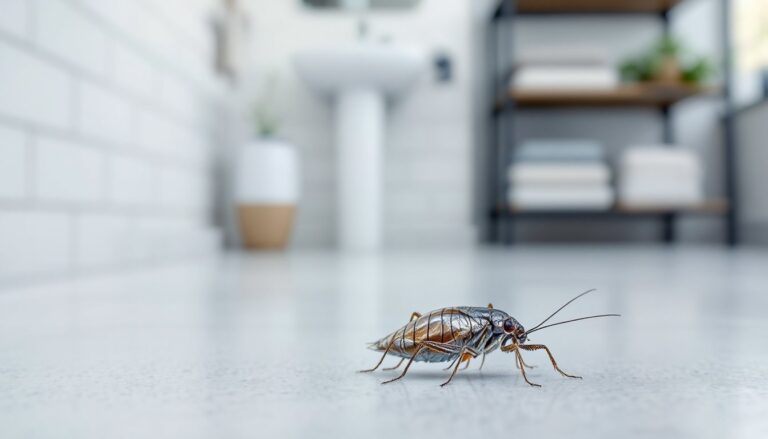
Cockroaches are one of the fastest and most persistent frame invaders. They’re flat-bodied (some species compress to 1/16 inch thick) and can squeeze through cracks barely visible to the naked eye. They’re attracted to moisture, so frames around kitchen windows or bathrooms are prime targets. German cockroaches reproduce fast, so one entry point can mean dozens of pests within weeks.
Ants scout in lines and follow pheromone trails, often along frame edges and through cracks in wood. Fire ants are particularly aggressive and can bite. Carpenter ants are slower but more dangerous, they hollow out wood as they nest, potentially weakening structural framing over time. Unlike termites, carpenter ants don’t eat wood: they excavate galleries, leaving sawdust-like debris called frass.
Flies, mosquitoes, and gnats slip through tiny gaps and are drawn to any food or organic matter inside. They’re seasonal pests in many climates but year-round problems in warm regions. Spiders follow insects, so if flies are entering through frames, spiders will follow to hunt them.
Bedbugs and lice are hitchhikers that can enter through frame gaps, though they’re more often brought in via luggage or secondhand furniture. Once inside, they’re harder to stop, so frame sealing is part of a broader pest strategy.
Larger Pests and Wildlife
Rodents, rats and mice, are the heavy hitters. A mouse needs a hole only 1/4 inch in diameter: a rat needs about 1/2 inch. They can find frame damage you can’t see and will chew through caulk and weatherstripping to widen entry points. Rodents are smart: they test and expand gaps over multiple visits, making early sealing critical.
Squirrels and chipmunks target frames around soffit vents and where roof meets wall. They’re destructive chewers and can do structural damage if allowed to nest. Raccoons and opossums are less likely to enter through window frames but may target door frames, especially basement doors and sliding glass door tracks. They’re strong enough to pry and claw, so basic caulk won’t stop them.
Birds sometimes nest in window frames and sills, especially if there’s an eave or overhang above. While not a direct frame invasion, nesting birds can leave droppings that attract insects and spread disease. Wasps build nests in frame corners and under eaves. They’re aggressive and can sting multiple times, making them a safety hazard beyond just a pest issue.
You don’t need to be an entomologist to understand the pattern: small gaps invite small pests, and small pests attract larger predators. Closing gaps early stops the cascade.
DIY Frame Inspection and Prevention Strategies
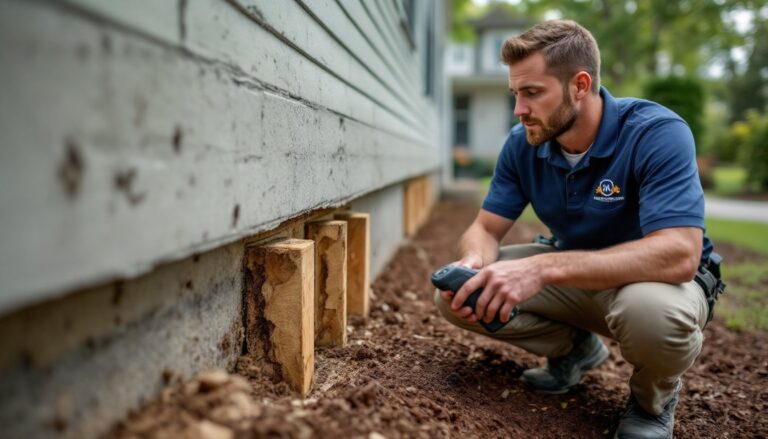
A thorough inspection takes 30–45 minutes per floor and reveals 90% of the vulnerabilities you need to address. Start outside, walk slowly, and look for cracks, gaps, separation, and deterioration. Bring a flashlight and a caulking gun, you’ll want to test questionable spots.
For windows, inspect the perimeter where the frame meets the wall (called the “rough opening” or “jamb line”). Check the sill (the bottom horizontal piece), which collects water and deteriorates fastest. Run your finger along the caulk line, if it’s missing, peeling, or cracked, it’s a failure point. Look at the weatherstripping seal around the sash (the moving part). It should be pliable and close flush against the frame when the window is shut. If it’s hard, cracked, or has gaps, it’s time to replace it.
For doors, inspect the threshold (the sill at the bottom), which bears weight and splits easily. Check where the door frame meets the wall on all three sides. Pay special attention to the bottom corners, rodents often target these spots because they’re sheltered and often missed during cleaning. Check the door sweep (the brush or rubber strip at the bottom of the door) and make sure it seals tightly without dragging.
Focus on the following vulnerabilities:
- Separation between frame and wall (caused by settling, temperature fluctuations, or poor installation)
- Cracks in wood frames, especially along grain lines
- Missing or failed caulk, particularly around the exterior perimeter
- Gaps under thresholds, which are common entry points for rodents
- Damaged or compressed weatherstripping that doesn’t seal when closed
- Holes or splits in door sweeps or threshold caps
Prevention means addressing these issues before pests arrive (or immediately after you spot one). Seasonal timing matters: fall is prime time for rodents seeking warm shelter, so seal before September. Summer is when insects are most active, so address any issues by June.
Sealing Gaps and Cracks
Your arsenal for sealing is simple: caulk, weatherstripping, and hardware. Choose the right tool for the gap size.
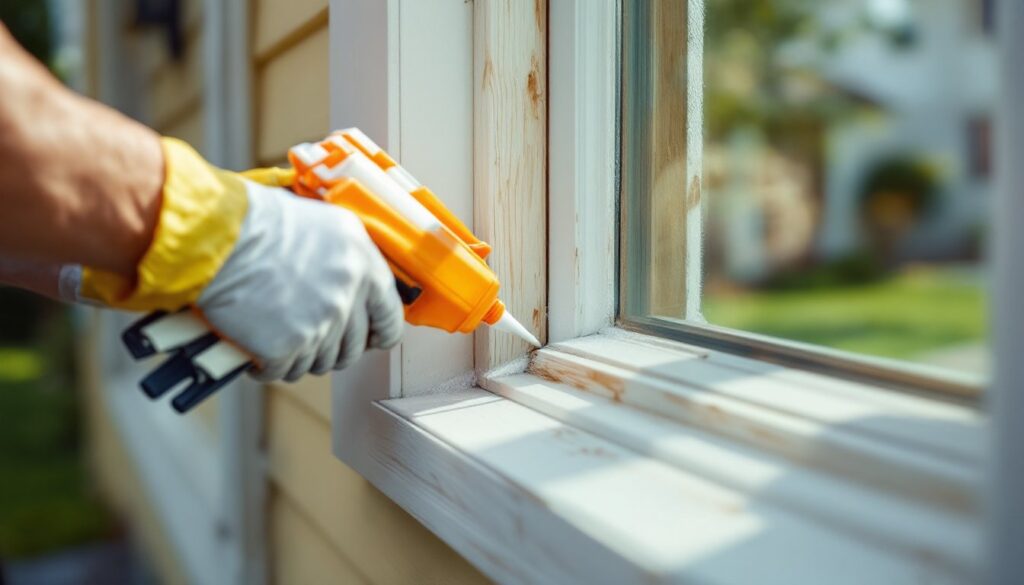
Caulk works for gaps up to 1/2 inch. Use paintable acrylic latex caulk for interior gaps and around window/door frames. For exterior areas exposed to weather, silicone caulk or silicone-acrylic hybrid holds up longer (10+ years vs. 5–7 years for latex). Avoid pure silicone outdoors if you plan to paint, it doesn’t accept paint well. Don’t skimp on quality: cheap caulk shrinks and cracks within 2 years.
Steps to caulk properly:
- Prep the gap. Remove old caulk with a caulk removal tool or by scraping with a putty knife. Vacuum out debris and wipe the area clean and dry.
- Fill large voids first. If the gap is wider than 1/2 inch, use backer rod (foam rope) pushed into the gap. This prevents caulk from sinking and cracking. Leave 1/4 inch of space for the caulk layer.
- Load the caulk gun. Cut the nozzle at a 45-degree angle, start with a small hole, and test on scrap material first.
- Apply in one smooth bead. Hold the gun at a 45-degree angle, move steadily, and don’t stop mid-gap. Overfill slightly.
- Smooth with a wet finger or tool. This pushes caulk into the gap and removes excess. Work quickly, caulk begins to set within 10 minutes.
- Let it cure. Most caulk needs 24–48 hours before painting or before the seal is waterproof. Check the label.
Weatherstripping replaces or supplements seals around moving parts (windows and doors). Types include:
- Vinyl-faced foam (least expensive, 3–5 year lifespan): works for light duty but degrades in UV.
- EPDM rubber (moderate cost, 10+ year lifespan): excellent for doors and windows, resists temperature swings.
- Silicone or neoprene (premium, 15+ year lifespan): best for high-traffic doors or extreme climates.
Measure the perimeter of your door or window, buy 10% extra (for corners and overlaps), and follow the manufacturer’s instructions. Most weatherstripping peels and sticks: some is nailed on. For doors, also replace or adjust the door sweep at the bottom and the threshold if it’s damaged.
For gaps larger than 1/2 inch (which shouldn’t happen in good frames but sometimes does), use a combination: backer rod + caulk for flexible gaps, or Pest Control at Home approaches like foam sealant for larger voids. Expanding foam works but is messy: use it only for gaps you don’t need to access later.
Threshold and door sweep replacement is a common upgrade. If you have a wood threshold, even small gaps invite rodents. Replace it with a vinyl or aluminum threshold with an integrated sweep, or add a stick-on rubber sweep to the bottom of your door. Make sure the sweep compresses slightly when the door closes, if it drags hard, adjust or trim it.
For windows with visible daylight coming in (a bad sign), caulk alone won’t solve the problem. You likely need new weatherstripping on the sash, or in older windows, a caulk rebuild of the frame itself. Test by holding a candle or lighter near the frame and watching for flame flicker on a windy day.
A Home Pest Control approach includes sealing vents and utility penetrations. If you have exterior dryer vents, HVAC exhaust, or cable/internet entry points, these need insect-proof screens or flapper doors. A 1-inch hole is fair game for wasps: a 3-inch duct is a highway for rodents.
Safety note: Wear safety glasses and gloves when working with caulk and weatherstripping. Some old caulk or insulation may contain asbestos (common in homes built before 1980). If you suspect asbestos, don’t scrape it, call a pro for removal. Always ventilate when applying sealants, especially indoors.
Maintenance Tips to Keep Frames Pest-Free
Sealing is one-time work, but maintenance is ongoing. Annual inspections catch problems early and keep your seal intact.
Spring inspection: After winter, check for freeze-thaw damage. Ice expands, and caulk can crack. Look for gaps that weren’t there before, especially around corners and sills. Reapply caulk as needed.
Fall prep (critical): Before rodent season, test all seals. Look at sills and thresholds for cracks or gaps. Check door sweeps and weatherstripping, this is when rodents are most aggressive about finding entry points.
Moisture management: Leaks create conditions pests love. Fix damp sills and sills immediately. Ensure downspouts discharge at least 4–6 feet from the foundation, keeping soil dry around frames. Proper grading (sloping away from the house) prevents water from pooling near doors.
Cleanliness: Keep sills and frames free of debris, dead insects, and dust. Spilled food near windows attracts pests. Trim vegetation at least 2–3 feet away from walls to reduce harborage and insect breeding areas.
Professional help: If you see signs of structural damage (soft wood, extensive termite damage, or large rodent entry holes), don’t DIY. A licensed pest control inspector or carpenter can assess whether structural repairs are needed, which may require permits. The cost ($300–$600 for an inspection) is far less than replacing damaged framing.
Consider a Pest Control Home maintenance plan from a local professional if you’re in a high-risk area. They can spot early signs of damage and apply preventive treatments, borate wood treatments for termites, for example, that a homeowner might miss. Check reviews on Angi or ask neighbors for recommendations.
Document your work. Take photos of the sealed frames and note the date and materials used. This helps you spot future deterioration and is useful if you sell the home (buyers appreciate sealed frames). Over time, you’ll build a maintenance rhythm that takes 30 minutes twice a year and keeps pests out for a fraction of the cost of dealing with an infestation.