


Table of Contents
ToggleDiscovering uninvited guests in your home is never pleasant. Whether it’s a trail of ants marching across the kitchen counter or the scratch of rodents in the attic, critter pest control is something most homeowners eventually face. The good news: you don’t always need a professional exterminator right away. Armed with the right knowledge, tools, and strategies, you can tackle many common household pests yourself, saving money and regaining peace of mind. This guide walks you through identification, DIY solutions, and prevention tactics that actually work, so you’ll know exactly when to call in reinforcements and when to handle it solo.
Key Takeaways
- Most critter pest control problems can be tackled with DIY methods like traps, gel baits, and diatomaceous earth before calling a professional exterminator.
- Early detection is critical—spotting rodent droppings, ant trails, or mud tubes within the first week prevents infestations from exploding into larger problems.
- Eliminating food sources, sealing entry points, and managing moisture solves up to 60% of household pest issues without chemical pesticides or traps.
- Professional pest control is necessary for termite damage, large rodent colonies, bed bugs, and wildlife in attics, which can pose structural or safety risks.
- Integrated Pest Management (IPM) combined with exclusion tactics offers a non-toxic, long-term critter pest control strategy safe for homes with children and pets.
- Prevention—including hardware cloth over vents, airtight food storage, and trimmed landscaping—is more cost-effective than treating established infestations later.
Understanding Common Household Critters and Why They Invade Your Home
Not all household pests are created equal, and knowing which ones you’re dealing with changes your approach. The most common intruders fall into three categories: insects (ants, cockroaches, termites), rodents (mice and rats), and wildlife (squirrels, raccoons, opossums).
Invited guests typically arrive for one of three reasons: food, shelter, or water. Ants trace back to crumb trails and exposed pantry items. Roaches thrive in warm, humid spaces with standing water or grease. Termites chew through wood looking for cellulose. Rodents slip through cracks searching for food storage and nesting material. Raccoons tear into garbage and colonize attics. Understanding the “why” helps you cut off the invitation before the problem explodes. Home Defense Pest Control covers these entry points in detail and offers targeted strategies for different critter types. Most critters need just one thing to stay: a reliable food or water source combined with a safe place to nest. Remove either and you’ve won half the battle.
Signs of Infestation: How to Spot Critters Before They Multiply
Early detection saves headaches and money. Missing the first week of an infestation often means you’ll spend weeks fighting it.
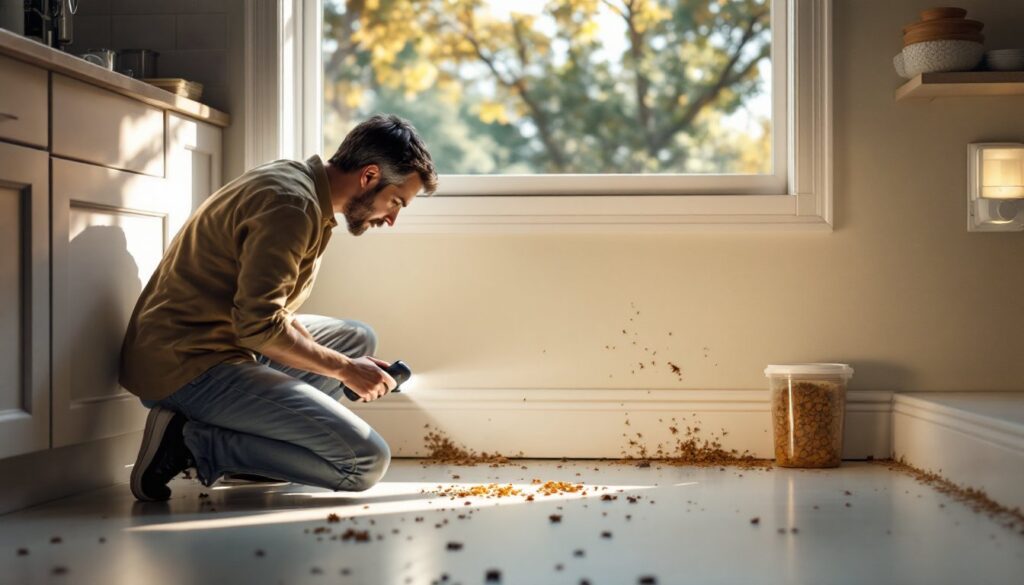
Rodent signs: Look for droppings (dark, rice-grain-sized pellets near food areas or in cabinets), gnaw marks on baseboards or wiring, and a musty, ammonia-like smell in enclosed spaces like attics or crawl spaces. Listen for scratching sounds at night, especially in walls or above ceilings.
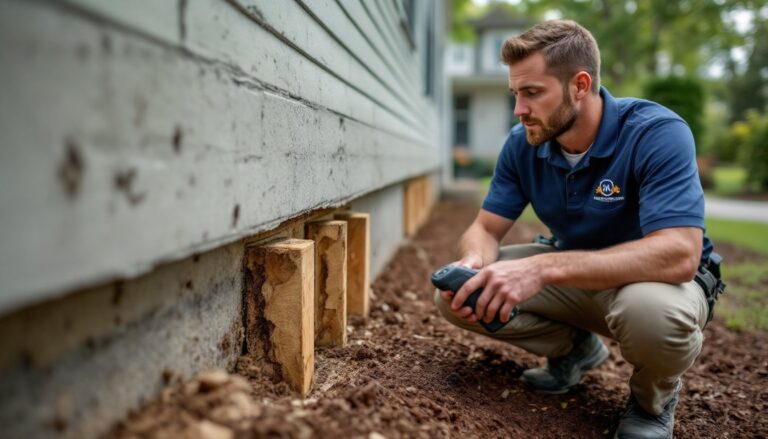
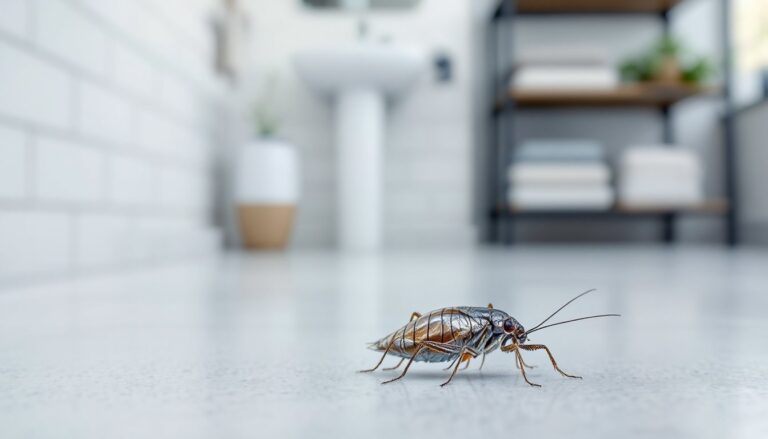
Insect indicators: A single ant doesn’t signal invasion, but a continuous trail does. Check under sinks, around electrical outlets, and along baseboards. Cockroaches leave pepper-like droppings and a sickly sweet odor. Termites hide better, but look for mud tubes on foundation walls, wood that sounds hollow when tapped, or wings discarded near light sources during swarming season.
Wildlife clues: Raccoon and squirrel presence shows up as roof damage, chewed siding, or noise in attics during dawn and dusk. Animal feces and urine stains mark denning areas. At Home Pest Control breaks down these signs by season and location. The key: act fast. A few droppings today means dozens of animals tomorrow.
DIY Pest Control Methods for Quick and Effective Results
Not every critter problem requires professional-grade pesticides. Start with the least toxic option and escalate only if it fails.
Traps and baits work well for rodents. Snap traps and electronic traps are fast and clean compared to poison (which can create dead-animal-in-wall problems). Place them perpendicular to walls where you see activity, rodents run along edges, not down the middle of rooms. Bait stations with rodent poison are slower but effective for widespread infestations: but, they’re unsafe around children and pets, so weigh the trade-off.
For insects, gel baits and boric acid powder are popular DIY standbys. Ant gel baits work because ants carry poison back to the colony, killing the queen. Place small dots along trails, not piles. Roach baits operate similarly. Boric acid powder sprinkled in thin lines under baseboards and behind appliances kills by contact and ingestion, but it’s a slow process and requires reapplication. Always keep boric acid away from kids and pets.
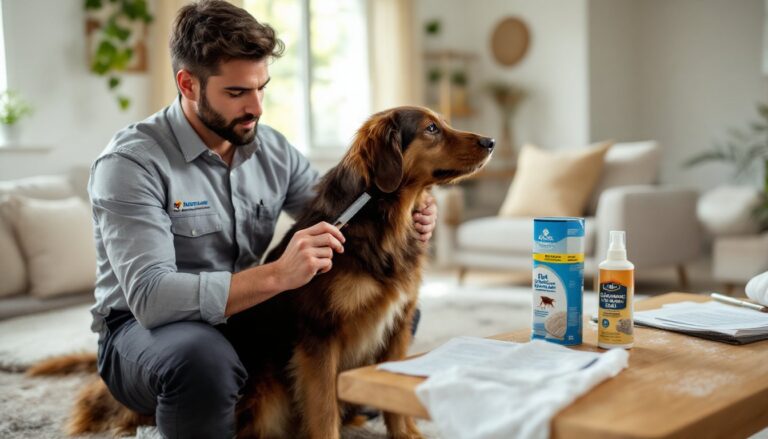
Diatomaceous earth (food-grade) is a non-toxic powder made from fossilized algae. It damages insect exoskeletons on contact, killing fleas, bedbugs, and cockroaches. Apply a light dusting in affected areas: it’s harmless to humans and pets but won’t work in wet conditions.
Essential oils and vinegar solutions have limited effectiveness on their own. Peppermint oil or citrus-based sprays may repel some insects, but they won’t eliminate infestations, treat them as a supplementary deterrent, not a solution.
Natural and Non-Toxic Solutions for the Safety-Conscious Homeowner
If you share your home with small children, elderly relatives, or pets, chemical pesticides pose real risks. Fortunately, several proven alternatives exist.
Integrated Pest Management (IPM) starts with exclusion and sanitation, then moves to traps or baits only if needed. Seal cracks and gaps with silicone caulk (not latex, pests can chew through it). Trim tree branches away from roofs, cap chimney vents with screen, and install door sweeps on exterior doors. These steps alone often solve 60% of pest problems without a single trap.
Beneficial insects like nematodes (microscopic worm-like creatures) prey on flea and beetle larvae in soil. Buy them from garden centers and apply according to label directions, they’re safe, organic, and work best in spring and fall.
Professional-grade organic products like spinosad (derived from soil bacteria) kill caterpillars and some beetles. Neem oil disrupts insect growth cycles and works on soft-bodied insects. Both degrade quickly in sunlight and are far less toxic than synthetic pesticides. Pest Control at Home recommends these options for long-term management. Always read labels, even organic products can harm beneficial insects or aquatic life if misapplied.
Prevention Strategies to Keep Critters Out Year-Round
Prevention beats treatment every time. Once critters establish themselves, eliminating them costs time and money.
Seal entry points: Walk your home’s exterior with a checklist. Check for gaps where utilities enter (pipes, cables, electrical lines). Install hardware cloth (sturdy wire mesh) or steel mesh over vents, chimney tops, and roof penetrations. Rodents can squeeze through holes the size of a dime, don’t assume a gap is too small. Caulk cracks in foundation, siding, and trim.
Eliminate food sources: Store pantry items in airtight containers, not open boxes. Clean up crumbs and spills immediately. Don’t leave pet food out overnight. Rinse dishes before bed and secure garbage in sealed bins, ideally in a shed or garage. Bird feeders and outdoor pet bowls attract raccoons and rats, move them away from the house.
Manage moisture: Fix dripping pipes, seal basement water intrusion, and run dehumidifiers in humid crawl spaces. Many insects (cockroaches, silverfish) need standing water. Grade soil away from foundations to prevent pooling.
Trim landscaping: Cut tree branches that overhang your roof, they’re highways for squirrels and raccoons. Remove leaf litter and dead wood piles that shelter insects and rodents. Keep grass mowed and shrubs pruned back from siding. Home Guard Pest Control emphasizes that a tidy exterior is your first line of defense.
When to Call a Professional Pest Control Service
Some infestations exceed DIY scope. Know your limits before a small problem balloons.
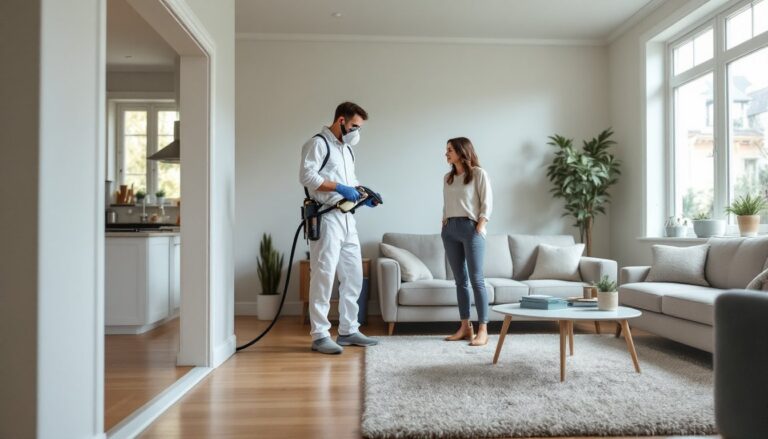
Call a pro for: Termite damage (structural risk demands professional assessment and treatment), large rodent colonies (especially if they’ve chewed electrical wiring, fire hazard), bed bugs (extremely difficult to eliminate without professional-grade heat or chemical treatment), and widespread wasp or hornet nests (safety risk). If you see one cockroach in a commercial kitchen, you’re likely staring at hundreds hiding behind walls. Wildlife in attics or chimneys often requires humane removal and exclusion, not extermination.
Cost context: According to resources like HomeAdvisor, pest control visits range from $150 to $500 depending on the pest, region, and severity. A preventive quarterly service might run $300 to $500 per quarter. Structural pest damage (termites) can cost thousands in repairs if ignored. Weigh the expense of professional service against the cost of a bigger problem later, professional intervention often saves money.
Choosing a contractor: Check reviews on Angi, verify licensing with your state’s pest control board, and ask if they’re certified by the National Pest Management Association. Get a detailed inspection and written quote before committing. Good Housekeeping recommends asking about their approach, do they start with the least toxic methods? Will they guarantee results? A reputable pro should educate you on prevention, not just spray and leave.
Conclusion
Critter pest control doesn’t have to be complicated or expensive. Start by identifying what you’re fighting, seal entry points, remove food and water sources, and deploy traps or baits where needed. Most common household pests respond to DIY tactics, but structural threats like termites and large infestations demand professional expertise. Stay vigilant, keep your home clean and sealed, and address problems early. A few hours of prevention work now saves weeks of dealing with a full-blown infestation later.