


Table of Contents
ToggleNobody wants to find a rat in the pantry or wake up to cockroaches scurrying across the kitchen floor. Pests and wildlife problems cost homeowners billions in damage and stress every year, yet most people don’t have a solid strategy for dealing with them until it’s too late. The good news? You don’t need to panic or immediately call in the professionals. Many common pest and wildlife control issues can be prevented or managed with smart planning, targeted DIY treatments, and knowing exactly when to bring in the experts. This guide walks you through the practical steps to identify what’s bugging you, stop it before it starts, and handle infestations like a pro.
Key Takeaways
- Pest and wildlife control starts with prevention: seal your home, eliminate food sources, and remove harborage to stop problems before they start.
- Correctly identifying the pest type and assessing infestation scale helps you decide whether to tackle it with DIY methods or call a professional immediately.
- Common household pests like ants and cockroaches respond well to targeted DIY treatments such as bait stations and gel baits, while rodents and severe infestations require licensed professional help.
- If using chemical treatments for pest control, prioritize safety by wearing protective gear, ensuring ventilation, and following label instructions carefully to protect your family.
- Get quotes from at least three licensed pest control companies, verify their credentials, and ask about treatment methods and warranties rather than simply choosing the cheapest option.
- Professional pest control is essential for termites, bed bugs, wasps, and wildlife like raccoons or bats, as these require specialized equipment and expertise that DIY approaches cannot provide.
Understanding Your Pest and Wildlife Problem
Before you spring into action, figure out what you’re actually dealing with. Is it an active infestation or just a stray visitor? Are you seeing droppings, damage, or just hearing scratching in the walls at night? Correctly identifying the pest is half the battle, different critters need different approaches.
Start by looking for evidence: droppings (size, shape, and location tell you a lot), chewed wood or wires, dead insects, greasy marks along walls, or nesting materials. Check dark corners, basements, attics, and behind appliances. If you’re unsure, snap a photo and consult local extension services or an online identification resource, most are free.
Also assess the scale. A single spider or occasional ant trail is normal: hundreds of ants, visible rodent droppings in multiple rooms, or constant scratching in walls means you’ve got a real problem. The size and scope determine whether you handle it yourself or call a professional immediately.
Prevention Strategies That Work
The single best pest control method is prevention. A sealed, clean home with no food sources is infinitely harder for pests to colonize than one with gaps, clutter, and crumbs everywhere.
Seal Your Home and Remove Attractants
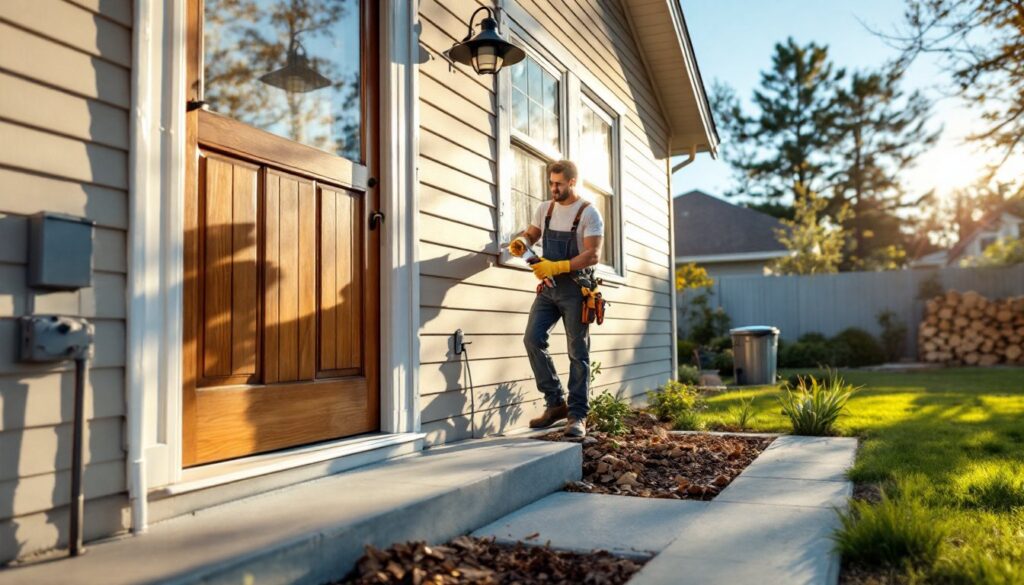
Walk around your home’s exterior like a pest scout. Look for cracks in foundation concrete, gaps around pipes and utilities, missing or damaged weather stripping, and holes in screens or vents. Use caulk (silicone caulk for exterior, acrylic for interior) to seal gaps smaller than ¼ inch. For larger gaps, pack expanding spray foam first, then caulk or trim it flush. Rodents can squeeze through a hole the size of a dime, don’t underestimate small openings.
Inside, eliminate harborage and food sources. Store dry goods in airtight containers, not cardboard boxes. Don’t leave pet food out overnight. Clean up spills immediately and sweep under appliances weekly. Take out trash regularly and store it in sealed bins. Clutter, especially cardboard, paper, and fabric, attracts rodents and insects, so keep basements, attics, and closets organized.
Outside, move woodpiles at least 20 feet from the house, trim tree branches touching the roof, and keep gutters clean so standing water doesn’t attract mosquitoes and other insects. Stack firewood off the ground and away from the foundation. Rodents and wildlife use vegetation as highways into your home, so don’t let it touch your siding.
Many homeowners find that Home Defense Pest Control methods provide solid foundational strategies for sealing and maintenance that prevent problems before they start.
DIY Treatment Options for Common Pests
Once you’ve sealed your home and removed attractants, you can tackle active infestations depending on the pest type. Common household pests, ants, cockroaches, spiders, and light infestations of flies, often respond well to DIY treatment. Rodents and heavy infestations are trickier and may require professional help.
For ants, bait stations work better than surface sprays. Ants carry bait back to the nest, poisoning the colony. Place bait stations along trails and near entry points. Diatomaceous earth (food-grade only) sprinkled in cracks and corners is also effective and non-toxic to pets if used sparingly. For cockroaches, gel baits placed in corners, under sinks, and behind appliances are effective. Clean up all food sources first, baits won’t work if roaches have better options elsewhere.
Spiders rarely need treatment in homes: they actually eat other pests. If you must control them, vacuuming webs and removing egg sacs works fine. Insects around doors and windows respond to sticky traps and, in some cases, pyrethrins (plant-based insecticides). Always read labels carefully and follow safety instructions.
Safe Application Methods for Homeowners
If you choose chemical treatments, prioritize safety. Wear nitrile gloves, safety glasses, and a dust mask when handling powders or aerosols. Ensure good ventilation, open windows and use fans. Keep children and pets out of treated areas until surfaces dry completely (follow label instructions for drying time, typically a few hours).
Never mix pesticides or exceed the recommended dose. A stronger concentration doesn’t kill pests faster: it just increases toxicity risk for you and your family. Apply treatments in the evening when pests are most active and kids and pets are less likely to contact treated surfaces. For indoor use, choose products labeled safe for indoor application.
If you have questions about a product or aren’t comfortable handling chemicals, you’re not alone, research from Today’s Homeowner shows many homeowners prefer to skip DIY chemical treatments. That’s a perfectly valid choice. At Home Pest Control methods often emphasize non-chemical tactics like exclusion, habitat removal, and trapping, which are safer and often just as effective if applied consistently.
When to Call a Professional
Some situations demand a professional. Call a licensed pest control company if you have a rodent infestation (widespread droppings, multiple entry points, or signs in living areas). Rodent control requires trapping strategy, exclusion work, and often repeat visits. Trying to handle a serious rodent problem alone usually wastes time and money.
Also call professionals for termites, bed bugs, wasp or hornet nests (especially if you’re allergic), and severe wildlife issues like bat colonies or raccoons in the attic. These require specialized knowledge, equipment, and sometimes legal compliance. Many jurisdictions require licensed professionals for certain pest work.
Hiring advice: Get quotes from at least three companies. Ask about their methods, warranty, and follow-up schedules. Confirm they’re licensed and insured. Check reviews on platforms like Angi and ask for references. A reputable pro will inspect your home, explain what they found, and recommend both treatment and prevention.
Cost varies wildly by region, pest type, and infestation size. A single rodent inspection and exclusion might run $200–$400: ongoing monthly service for multiple pests might be $30–$100 per visit. HomeAdvisor offers cost estimates and contractor matching for your area. Don’t just pick the cheapest option, cheap often means fewer follow-ups and less thorough work, leaving you with recurring problems.
Conclusion
Start with prevention: seal your home, eliminate food and water sources, and maintain a clean, organized space. Handle small, active infestations with targeted DIY methods if you’re confident. But don’t gamble with serious infestations, structural pests, or wildlife, bring in a licensed professional. The upfront cost of a pro inspection often costs less than months of failed DIY attempts and the damage that results.