



Table of Contents
TogglePests don’t wait for an invitation. Whether it’s ants marching through your kitchen, rodents scratching behind walls, or cockroaches scurrying across baseboards, an infestation can turn your home from a sanctuary into a stress zone. The good news? Most pest problems start small and stay manageable if you catch them early. This guide covers how to spot trouble before it spirals, the prevention tactics that actually hold up in the real world, DIY methods for early infestations, and when it’s time to call in a professional. You’ll learn practical steps you can take today to protect your home without overcomplicating things.
Key Takeaways
- Expert pest control begins with early identification—knowing whether you’re dealing with rodents, ants, cockroaches, termites, or bed bugs determines the right treatment strategy and saves time and money.
- Seal entry points and eliminate moisture sources by caulking gaps, replacing worn weather stripping, screening vents, and ensuring proper drainage around your foundation to prevent pest intrusions.
- DIY methods like rodent baiting stations and ant baits work for early-stage infestations, but give treatments 3–7 days to work and monitor progress weekly.
- Structural threats like termites, carpenter ants, bed bugs, and rodent infestations in walls require professional pest control services due to hidden damage risks and health hazards.
- A professional pest control inspection typically costs $200–$500 and can prevent costly structural damage, making expert pest control intervention worth the investment when infestations spread beyond early stages.
Identify Common Household Pests Before They Become a Problem
Knowing what you’re dealing with is half the battle. Different pests behave differently, reproduce at different rates, and require different tactics, so misidentifying the problem wastes time and money.
Rodents (mice and rats) leave droppings about the size of a grain of rice (mice) or a raisin (rats). You’ll spot gnaw marks on walls, baseboards, and food packaging. Listen for scratching sounds in walls or attics, especially at night. Rodents squeeze through openings as small as a dime, so they’re persistence hunters.
Ants form visible trails, often leading to food sources. You might see a line stretching from your counter to a crack in the wall or gap under the sink. The type matters too, carpenter ants actually tunnel into wood to nest (different from termites, which eat wood). Fire ants bite and sting, while pharaoh ants are tiny and omnivorous.
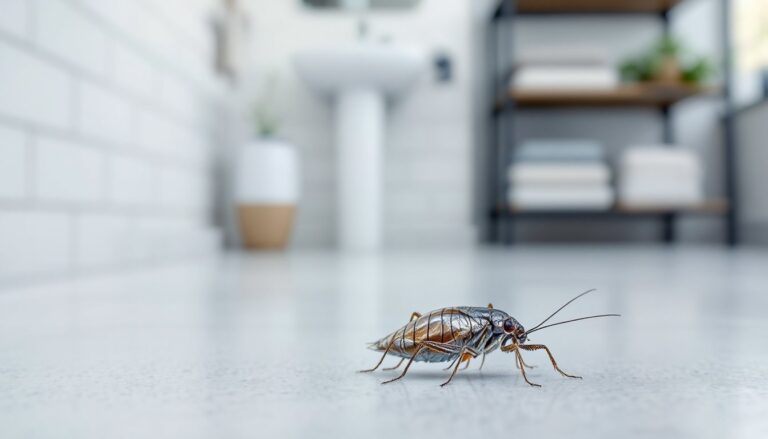
Cockroaches hide in warm, damp spots: under sinks, behind appliances, in pantries. You’ll spot them at night when you turn on lights. Fecal pellets look like small black specks on counters or in cabinets. They reproduce quickly and contaminate food and surfaces.
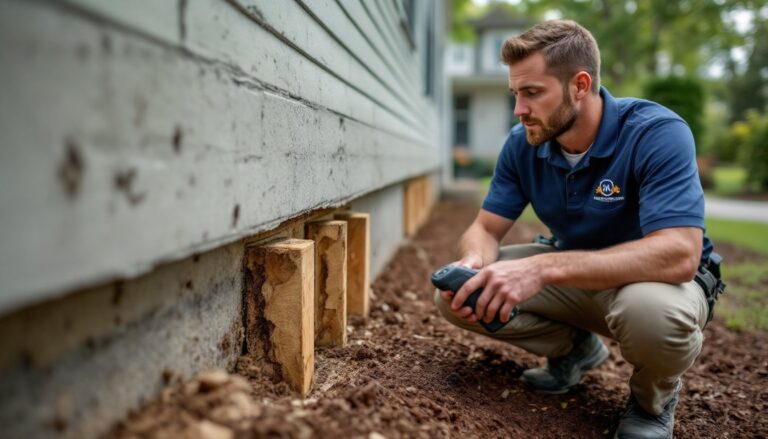
Termites create hollow-sounding wood and visible tunnels (mud tubes) running up foundations or inside walls. Unlike carpenter ants, termites actually consume wood as food, making them a structural threat. Soft-bodied termites and drywood termites behave differently.
Bed bugs hide in mattress seams, bed frames, and upholstered furniture. You’ll notice small bites in a line or cluster on exposed skin. The bugs themselves are reddish-brown, about the size of an apple seed. They’re hitchhikers, so they spread through luggage or used furniture.
When you spot signs, take a photo or collect a sample (if safe) to show a professional or research online. Accurate identification means you won’t waste money on the wrong treatment.
Prevention Tactics That Actually Work for Your Home
Seal Entry Points and Eliminate Moisture Sources
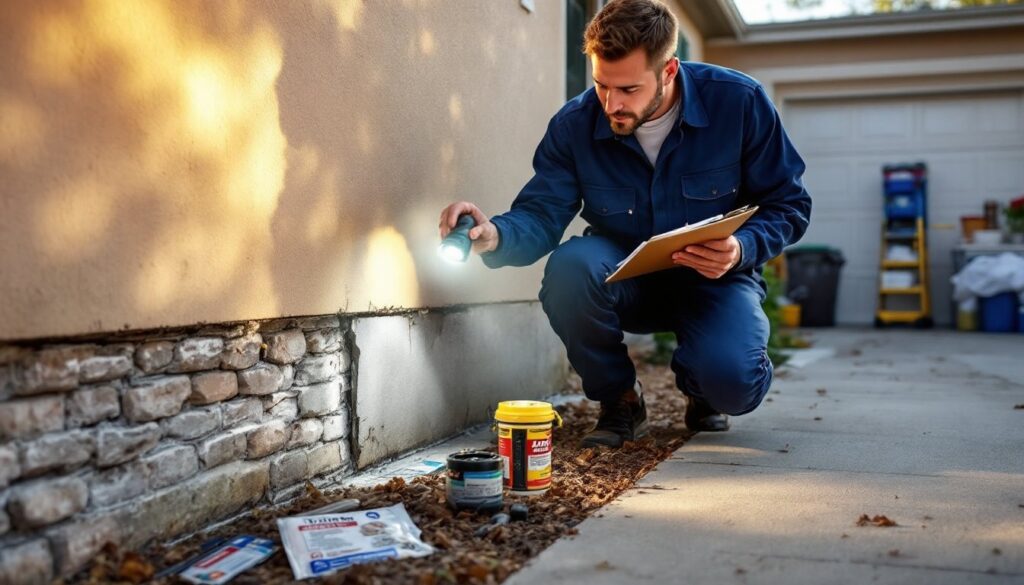
Pests enter through gaps you probably haven‘t noticed. Walk around your foundation and exterior walls with a flashlight, checking for cracks, gaps, and holes. Pay attention to where pipes, wires, and utility lines enter the house, these are common entry highways.
Caulk and seal cracks and gaps smaller than ¼ inch with silicone or acrylic latex caulk. For gaps larger than ¼ inch (but less than 1 inch), use backer rod (foam rope) first, then caulk over it. For very large gaps or holes, use steel mesh, hardware cloth, or mortar before caulking, rodents can chew through caulk alone.
Check the garage door seal and the seal under exterior doors. Worn-out weather stripping is an open invitation. Replace it if you see daylight or gaps. The threshold (bottom seal) under doors wears faster than anything: replacing it takes 30 minutes and costs less than a service call.
Inspect the attic and roof for damage, loose vents, or missing shingles. Ensure attic vents have ½-inch hardware cloth screens to let air through while blocking pests. Chimneys need caps with screens, uncapped chimneys are pest highways straight into your home.
Address moisture by fixing or installing proper drainage around the foundation. Grading (the slope of the ground around your house) should slope away from the structure so water doesn’t pool against it. Ensure basement drains and sump pumps work. In crawl spaces, consider laying moisture barriers (heavy plastic sheeting) to reduce humidity. Consider a dehumidifier if your basement stays damp year-round.
Don’t forget kitchen and bathroom exhaust vans, make sure they vent outside, not into the attic. Damp attics and crawl spaces are pest magnets.
DIY Pest Control Methods for Early-Stage Infestations
Natural Treatments and Traps You Can Install Today
Rodent baiting stations placed along walls in garages, basements, and crawl spaces can be monitored regularly. Use stations with locked lids if children or pets are in the home, this prevents accidental exposure. Refill and check them weekly until you see no new droppings for two weeks.
Ant baits work on the principle that ants are attracted to sweet or protein-based baits. Liquid baits (like borax solutions mixed with sugar water) spread through a colony faster than solid baits. Place baits on the ant trail itself or near their entry point. Unlike sprays, baits don’t kill the ant immediately, they take it back to the colony, poisoning others. Give baits 3–7 days to work before concluding they’re not effective.
Cinnamon, coffee grounds, and citrus peels naturally repel some insects and smell better than chemicals. Scatter them around problem areas, but don’t expect them to eliminate an infestation, they’re preventative.
Neem oil (derived from neem tree seeds) disrupts insect growth and reproduction. It works on soft-bodied insects and mites but isn’t effective on rodents or termites. Spray it on affected areas weekly, following label directions. Wear gloves and eye protection during application.
For spiders (which actually eat other pests, so they’re your allies), simply remove webs and seal cracks where they hide. Unless you have a venomous species in your region, leaving spiders alone helps control other insects.
When to Call a Professional Pest Control Expert
There’s a clear line between DIY-manageable and professional-territory. If you’re seeing multiple pests daily, finding droppings in new areas, hearing strange sounds in walls, or suspecting a nest or colony, call a professional. Here’s why:
Structural threats like termites, carpenter ants, or carpenter bees require professional inspection and treatment. These pests damage wood over time, and misdiagnosing or mishandling the treatment can let damage spread silently. Pros have thermal imaging and moisture meters to find hidden infestations.
Bed bugs are nearly impossible to DIY. They hide in furniture, electronics, and wall voids. Professional heat treatment or targeted chemical applications work: home remedies usually fail. An untreated bed bug problem spreads to other rooms and becomes exponentially harder to manage.
Rodent infestations in walls, attics, or crawl spaces require pros. You can’t reach every entry point, and rodents leave dangerous urine and feces that contaminate insulation and ductwork. Professionals handle exclusion (sealing all entries), removal, sanitation, and decontamination. This is also when permits may be required, check your local health department.
Termite swarms or mud tubes visible on your foundation demand professional inspection. Termites are a structural threat, and treatment often requires injecting chemicals into soil or wood, work for licensed pest control operators (PCOs).
Legal requirements vary by region. In many states, termite treatment and inspections require a licensed pest control operator. Some jurisdictions require permits for pesticide application in homes. Before buying a house or after discovering pests, a professional termite or pest inspection report (often required by lenders) must come from a certified inspector.
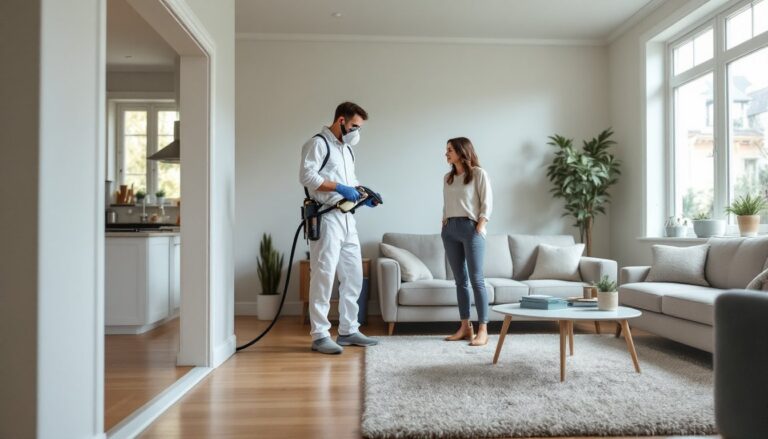
When hiring a professional, residential pest control companies on platforms like Angi offer customer reviews and pricing guidance. Ask for a written estimate, a detailed treatment plan, and a warranty. Reputable pros won’t use unnecessary chemicals and will explain their approach. Most offer follow-up visits if the problem persists within a set timeframe.
A single service call (typically $200–$500 depending on severity and region) often catches problems before they become expensive. Professional expertise also prevents you from wasting money on ineffective treatments. Think of it as pest prevention insurance.
Conclusion
Pest control starts with vigilance and prevention, not panic. Identify what you’re dealing with, seal entry points, eliminate food and water sources, and stay organized. For early infestations, DIY traps and baits often work. But don’t gamble with structural threats, widespread infestations, or bed bugs, call a licensed professional. The combination of good housekeeping, sealed gaps, and regular inspection keeps most pests out of your home. When they do slip in, catching them early makes all the difference.