




Table of Contents
ToggleDiscovering a cockroach in your kitchen or finding droppings in the pantry can send any homeowner into panic mode, especially when kids and pets are part of the household. Pest infestations aren’t just unsettling: they pose real health risks and can damage your home’s structure if left unchecked. The good news? You don’t need harsh chemicals or expensive exterminators to tackle most pest problems. This family pest control guide covers practical, safe methods to identify common household pests, eliminate them without toxins, and keep your home protected year-round. Whether you’re dealing with ants, rodents, or cockroaches, you’ll find straightforward solutions that work for busy families.
Key Takeaways
- Family pest control prioritizes safety around children and pets by using non-toxic methods like diatomaceous earth, gel baits, and snap traps instead of harsh chemicals.
- Identifying common household pests—cockroaches, rodents, ants, and bed bugs—by their droppings, behavior, and appearance is the first step to choosing the right removal strategy.
- Sealing entry points with caulk and steel wool, eliminating food sources, and maintaining cleanliness are the most effective prevention strategies to keep pests out year-round.
- Natural solutions like food-grade diatomaceous earth for ants and roaches, boric acid mixtures for cockroaches, and electronic traps for rodents provide safe alternatives to chemical pesticides.
- Professional pest control is warranted for termites, severe bed bug infestations, large rodent colonies, and when DIY methods fail within 2–3 weeks—look for IPM-certified companies that combine minimal pesticide use with exclusion and sanitation.
Why Family-Friendly Pest Control Matters
Conventional pest control often relies on strong pesticides that aren’t ideal around children and pets. Kids crawling on floors, pets grooming themselves, and family members with chemical sensitivities make chemical sprays problematic. Beyond health concerns, effective family pest control prevents property damage and contamination. Rodents chew through electrical wiring (a fire hazard), termites hollow out structural beams, and cockroaches spread bacteria and trigger asthma attacks.
Family-safe pest control balances urgency with caution. The approach combines prevention, early detection, and targeted intervention, both natural and professional, rather than blanket chemical applications. Starting with simple, non-toxic methods saves money, reduces health risks, and often solves problems faster than you’d expect. When you understand what attracts pests and how to seal entry points, you’re already winning half the battle.
Common Household Pests and How to Identify Them
Indoor Pests: Roaches, Rodents, and More
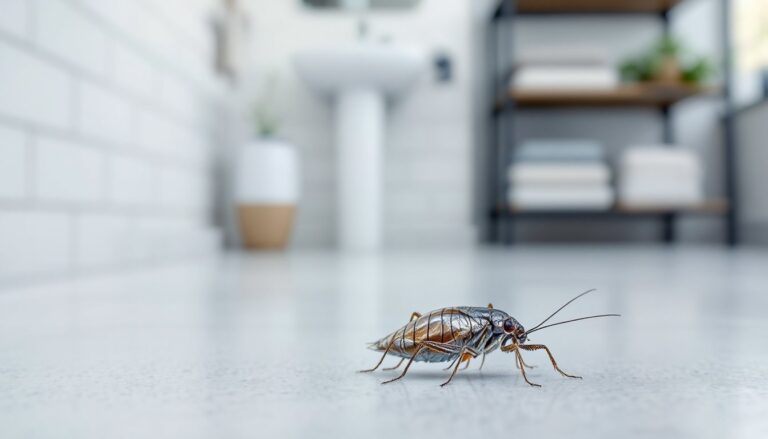
Knowing your enemy is the first step. Cockroaches are oval, flat-bodied insects, typically 1–2 inches long, often reddish-brown or black. They leave droppings that look like coffee grounds and emit a musty odor. Found near food sources, under sinks, and in dark warm spaces, they’re nocturnal and multiply fast.
Rodents (mice and rats) are identified by gnaw marks on food packaging, droppings (mice produce rice-grain sized droppings, rats produce larger pellets), and greasy smudges along baseboards where they travel. Listen for squeaking or scratching in walls, especially at night. A single family of mice can become dozens in weeks.
Ants vary by species. Common household ants are small (1/16 to 1/4 inch), brown or black, and travel in organized trails. They nest both indoors and outdoors, attracted to sugary foods and grease. Argentine ants and carpenter ants (which damage wood) are more problematic than common pharaoh ants.
Bed bugs are tiny (1/4 inch), flat, brown bugs found in mattress seams, box springs, and furniture crevices. They feed on blood at night, leaving itchy red welts that appear in lines or clusters. Spotting one usually means a full infestation is nearby.
Spiders and centipedes are actually beneficial predators that eat other insects, but many homeowners want them gone. Spiders spin visible webs in corners: centipedes are fast-moving, multi-legged creatures in damp areas. They’re harmless to humans and actually help control pest populations.
Safe DIY Pest Control Methods for Families
Natural and Non-Toxic Solutions
For cockroaches: A mixture of boric acid powder (or diatomaceous earth) and powdered sugar works when applied in thin lines along baseboards and under sinks. Keep it away from children and pets, use it in sealed spaces or high shelves only. Alternatively, gel baits designed for roaches are contained in sealed stations and are safer around families. Also seal cracks and crevices with caulk, remove standing water, and eliminate food debris by washing dishes immediately and storing food in airtight containers.
For rodents: Snap traps or electronic traps are more humane and faster than poison, which can harm pets and wildlife. Place traps perpendicular to walls where mice travel, using peanut butter or chocolate as bait. Set multiple traps, one rarely catches all mice. According to pest experts, sealing entry points with steel wool and caulk is equally important: mice squeeze through openings as small as a dime.
For ants: Sprinkle food-grade diatomaceous earth (DE) around entry points and nesting areas. DE cuts through the insect’s exoskeleton, causing dehydration, it’s non-toxic to humans and pets. Alternatively, ant baits that ants carry back to the nest provide longer-term control than surface sprays.
For bed bugs: This one often requires professional heat treatment (pest control companies heat your home to 118°F, fatal to all life stages). DIY methods are limited because bed bugs hide in mattress seams and furniture where sprays don’t penetrate. Washing bedding in hot water (130°F+) and using mattress encasements help, but infestations typically need a professional.
Essential tools and materials:
- Caulk and caulking gun
- Steel wool (gaps and holes)
- Diatomaceous earth (food-grade, not pool-grade)
- Snap traps or gel baits
- Work gloves and a dust mask when applying powders
When using any powder or dust, wear a dust mask to avoid inhaling particles. Apply in low-traffic areas children and pets can’t reach. Always read label instructions and follow recommended application rates.
Prevention Strategies to Keep Pests Out
Prevention beats treatment every time. Start with exclusion, seal the entry points pests use. Inspect your home’s exterior for cracks around pipes, utility penetrations, and foundation gaps. Use caulk for small gaps (less than 1/4 inch) and steel wool stuffed into larger holes, then caulk over it. Rodents can’t chew through steel wool.
Cleanliness is non-negotiable. Wipe down kitchen counters daily, wash dishes immediately, and store food in sealed containers. Sweep up crumbs, take garbage out frequently, and don’t leave pet food sitting out overnight. Remove standing water (under sinks, in trays) because insects and rodents need moisture.
Reduce clutter. Pests hide in cardboard boxes, newspaper piles, and cluttered storage areas. Use plastic storage bins instead, and keep basements and attics organized. Firewood stacked against your house is an open invitation: keep it 20 feet away and elevated off the ground.
Outdoor maintenance prevents indoor invasions. Trim tree branches and shrubs away from your house (pests use them as highways). Keep gutters clean and ensure downspouts direct water away from the foundation. Fix leaky outdoor spigots, moisture attracts insects and rodents.
Landscaping choices matter. Hardscape (gravel, mulch) against the foundation can harbor pests: keep a 12-inch clear zone between mulch and your house. If you’re designing outdoor spaces, consult resources on garden design to balance aesthetics with pest prevention.
When to Call Professional Help
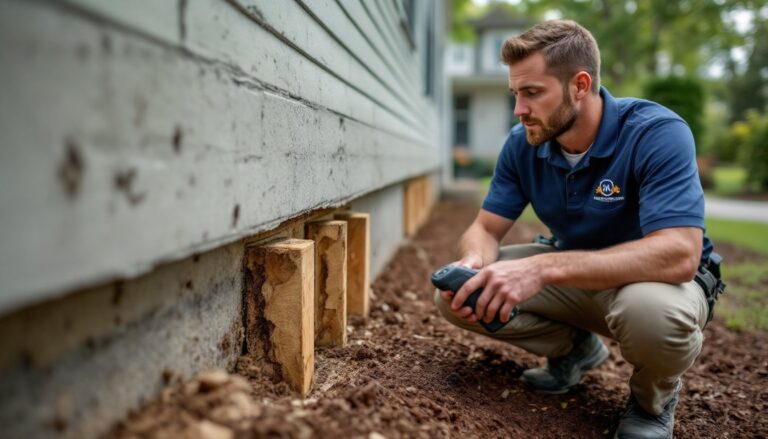
Some pest problems exceed DIY scope. Termite infestations require a licensed inspector and likely professional treatment because they cause structural damage and hide deep in wood. A missed colony means ongoing damage and costly repairs. Similarly, bed bug infestations are nearly impossible to eradicate without professional heat treatment or chemical applications that a trained technician applies correctly.
Large rodent colonies in attics or walls need professional removal. Professionals can identify all entry points, set bait stations in inaccessible areas, and ensure complete exclusion. Removing dead rodents from inside walls requires expertise to avoid contamination.
Carpenter ants and wood-damaging pests warrant a professional inspection because they indicate moisture issues or structural vulnerabilities that need addressing. A pro can identify the root cause, not just kill visible ants.
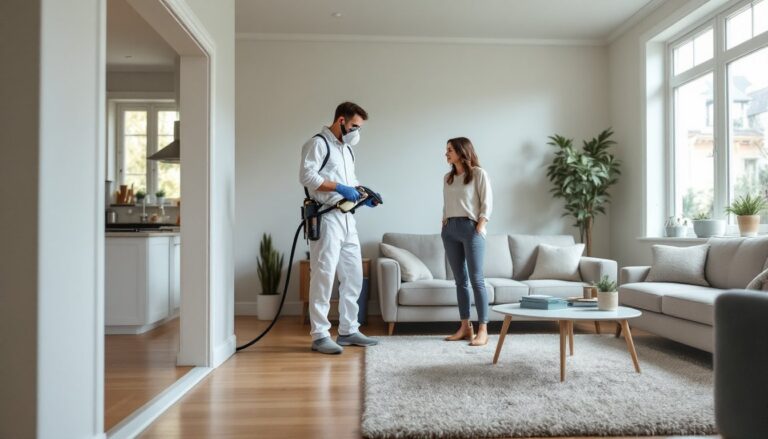
Chemical sensitivity or severe infestations are also red flags for calling in help. If natural methods aren’t working within 2–3 weeks, or if anyone in the home has respiratory issues or chemical allergies, hiring a licensed pest control company is the right call. Ask about IPM (Integrated Pest Management) approaches, which combine minimal pesticide use with exclusion and sanitation, exactly what families need.
When hiring professionals, ask about their methods, certifications, and guarantees. Reputable companies offer warranties and follow-up visits. Budget $300–$800 for initial inspections and treatments, depending on your region and pest type. Many homeowners find that professional help for one major issue (plus strong prevention afterward) costs less than years of failed DIY attempts.