



Table of Contents
ToggleHornets aren’t just a summer nuisance, a nest on your home or property can be genuinely dangerous. Unlike bees, hornets are aggressive defenders of their territory and will sting repeatedly if they feel threatened. A single nest can shelter dozens of insects, and once they establish a foothold near your house, the risk of accidental encounters grows fast. The good news? You don’t always need to hire someone to handle it. With the right information, the right tools, and realistic expectations about when to call professionals, many homeowners can safely eliminate hornet nests themselves or take preventive action before nests become a problem.
Key Takeaways
- Hornets pest control requires early detection in late spring and early summer when nests are small and easier to manage before they grow to dangerous sizes.
- Insecticidal sprays with pyrethrins or synthetic pyrethroids are the most effective DIY removal method when applied at dusk or dawn with proper protective gear and multiple applications.
- Professional pest control services are essential if nests are inside walls, above 15 feet high, or if you have a documented allergy, with costs typically ranging from $150–$600 depending on accessibility.
- Prevention is more effective than removal: seal exterior gaps, eliminate food sources like unsealed trash and fallen fruit, and trim tree branches away from your home to keep hornets away.
- Unlike honeybees, hornets are aggressive defenders that will attack from several feet away and can sting repeatedly, posing serious injury risks especially to children, pets, and those with allergies.
Why Hornet Infestations Are a Serious Home Problem
Hornets are predators with a paper-thin temper. Unlike honeybees, which are docile unless their hive is directly threatened, hornets will attack if you get within several feet of their nest. A single sting is painful, comparable to a wasp sting but often worse, and some people experience severe allergic reactions. If you or a family member has a documented hornet or wasp allergy, professional removal is non-negotiable.
Beyond the immediate sting risk, nests grow larger throughout summer and early fall. A nest that looks small in June might house hundreds of hornets by September. Nests can also be multiple, one homeowner might discover a second or third nest weeks after removing the first. Also, structural damage can occur if nests are built in soffits, fascia, or wall cavities, where their paper-like material can trap moisture and degrade wood over time. Children and pets are particularly vulnerable because they’re less likely to recognize danger and back away from a nest.
Identifying Hornet Nests Before They Become a Major Issue
Early detection is your best defense. Hornet nests are distinctive and often unmistakable once you know what to look for. Most species, bald-faced hornets, paper wasps, and yellowjackets, build exposed, papery, gray or tan nests that look like a football or inverted umbrella. Bald-faced hornets create large, gray ball-shaped nests, often 12–24 inches across, usually in tree branches or utility poles. Paper wasps build open, hexagonal nests under eaves, in attics, or under porch railings.
Check your property in late spring and early summer (May and June) when nests are small and easier to spot. Look along soffits, fascia boards, porch ceilings, garage openings, and tree branches near your home. Hornets typically begin active foraging and defending territory by early summer, so identifying a nest before late July gives you more <a href="https://jannesvintage.com/pest-control-for-wasps/”>control over timing and method. If you spot a nest, resist the urge to poke it or spray it without proper planning, this triggers an aggressive response. Instead, note its location and plan your removal strategy based on nest size, location accessibility, and your comfort level.
Safe DIY Methods for Removing Hornet Nests
Using Insecticidal Sprays and Aerosols
Insecticidal sprays designed for hornets and wasps are widely available at hardware stores and online. Products containing pyrethrins or synthetic pyrethroids (like permethrin) are effective and relatively safe when used as directed. Raid Hornet & Wasp Killer, Spectracide, and Cutter are common brands with proven track records, choose one labeled specifically for hornets, not general-purpose insecticide.
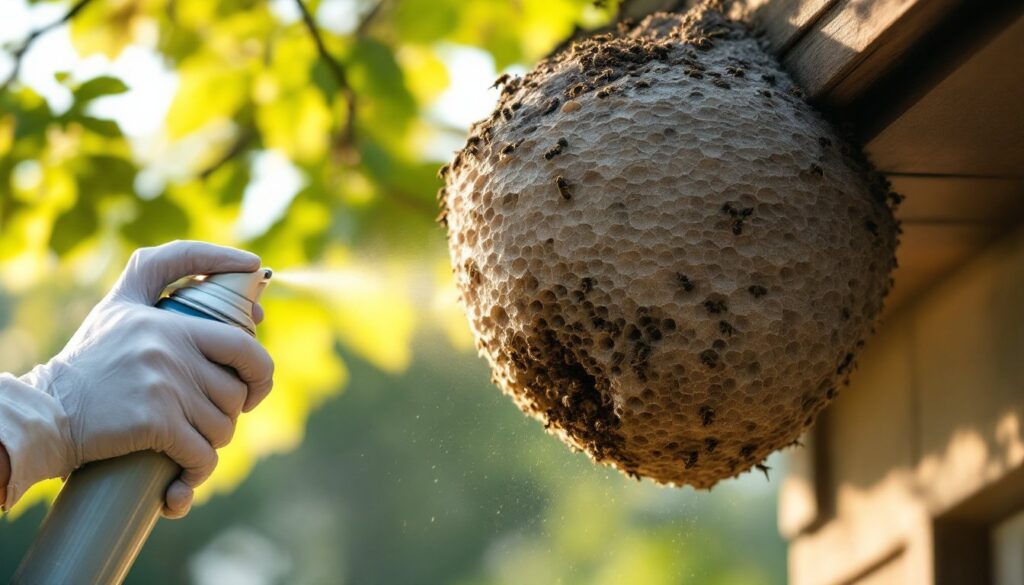
Timing is everything. Spray only at dusk or early dawn when hornets are less active and most are inside the nest. Wear long sleeves, long pants, gloves, and safety goggles, this is non-negotiable. A respirator or N95 mask is wise to avoid inhaling aerosol particles. Keep a clear exit path so you can retreat quickly if hornets emerge.
For aerial nests on trees or tall structures, you’ll need a spray can with an extension nozzle (typically 15–20 feet reach). For nests under eaves or soffits, standard spray cans work fine. Follow the product label exactly: most require 2–3 applications over consecutive days for complete elimination. After spraying, wait 24–48 hours before removing the nest. Dead hornets can fall, so wear the same protective gear when taking down the nest afterward and disposing of it in a sealed trash bag.
Natural and Non-Toxic Removal Alternatives
If you prefer to avoid chemicals or have concerns about residue, a few natural methods exist, though none are as reliably fast as insecticide.
Soapy water spray: Mix a few tablespoons of dish soap in a spray bottle with water. Spray directly at the nest in early morning or late evening. The soap disrupts the insects’ exoskeletons, causing them to die. This requires multiple applications and isn’t as reliable as commercial insecticide, but it’s cheap and safe for pets and plants.
Smoke and relocation: Some professionals use smoke to make the nest uninhabitable, hoping hornets will abandon it. This is less reliable than removal and only works if the nest is easily accessible. Success rates are low, and there’s still injury risk.
Physical removal: For very small, newly formed nests, some bold DIYers knock nests down with a long pole at dusk while wearing protective gear. Only attempt this on nests smaller than 2 inches across and in locations where you have a clear, safe escape route. This is risky and not recommended for anyone without experience.
The bottom line: insecticidal spray is the most effective DIY option. Natural alternatives work but are slower and less dependable. Home Pest Control: 10 covers additional methods worth reviewing before you commit to a strategy.
When To Call a Professional Pest Control Service
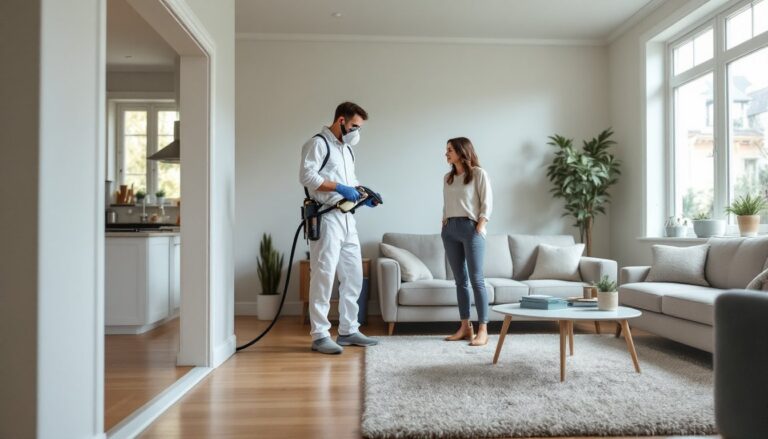
Honesty: some situations demand a professional. If the nest is inside your attic, within a wall cavity, or in an otherwise inaccessible location, DIY removal becomes risky and incomplete. Professionals have equipment, training, and insurance to handle these cases. If you have a documented allergy or live with someone who does, don’t take chances, call a pro immediately.
Nests above 15 feet high are also a job for licensed pest control. Reaching them safely requires a ladder, proper fall protection, and experience. You’re not just risking a sting: you’re risking a fall. Most pest control companies charge $150–$400 to remove a single accessible nest and $300–$600 for harder-to-reach locations. Costs vary by region and nest size, so get quotes from multiple providers. Professional hornet removal services often provide guarantees, meaning they’ll return and re-treat if the nest isn’t fully eliminated.
If you’ve had multiple nests in consecutive years or discover nests on your property regularly, a professional pest control contract might make sense. They can inspect your property quarterly, identify conducive conditions, and treat early-stage nests before they grow large. Home Defense Pest Control: provides a framework for understanding when ongoing professional protection is worthwhile.
Prevention Strategies To Keep Hornets Away From Your Home
Prevention beats removal every time. Hornets are attracted to protein, fruit, and shelter. Start by minimizing food sources: keep trash cans tightly sealed, don’t leave pet food or bird seed outside, and clean up fallen fruit from trees promptly. Cover grills after cooking and remove standing water, which hornets drink from.
Eliminate nesting sites. Trim tree branches away from your roof and siding. Seal or screen vents, attic openings, and soffit gaps, standard 1/4-inch hardware cloth works well. Caulk cracks in fascia boards and exterior siding. If you regularly find nests in the same spots (under porch railings, for example), consider installing netting or screening to prevent nesting.
Think twice about planting flowers or shrubs that bloom profusely near walkways and patios, hornets feed on flower nectar. If you already have these plantings, that’s fine: just be more vigilant in late summer when hornet activity peaks. Avoid wearing bright colors or floral patterns outdoors during peak season (July–September), as they can attract attention. Perfumed products, including scented sunscreen and cologne, can also draw interest.
At Home Pest Control: offers broader strategies for maintaining a pest-resistant property. Also, Family Handyman has detailed guides on sealing and weatherproofing exterior entry points, a task that reduces not just hornets but other pests too. Consistently removing nests in spring before they grow large, combined with these preventive measures, keeps infestations rare and manageable.