




Table of Contents
ToggleMountain living offers stunning views and crisp air, but it comes with its own pest challenges. High altitude environments, typically above 6,000 feet, create unique conditions that attract and sustain pest populations differently than lower elevations. Homeowners in Colorado, Montana, Wyoming, and similar high country regions quickly learn that standard pest control advice doesn’t always apply. Understanding how elevation affects pest behavior, identifying the specific threats you’ll face, and knowing which prevention tactics actually work at altitude are essential skills for anyone maintaining a mountain property.
Key Takeaways
- High country pest control requires understanding elevation-specific behaviors, as pests at altitudes above 6,000 feet respond differently to temperature swings, low humidity, and shorter growing seasons than their lowland counterparts.
- The critical invasion period for pests in mountain regions occurs from late August through October, making late July and August the essential preparation window for sealing entry points before pests seek winter shelter.
- Effective high country pest control prevention involves rodent-proof caulk for holes up to 1 inch, hardware cloth for larger gaps, weatherstripping around doors, and sealed appliance vents—with special attention to door thresholds and foundation cracks.
- Professional pest control services become necessary when you spot active rodent droppings, hear scratching in walls, or notice structural burrowing damage, as thermal imaging and altitude-specific treatment knowledge are tools homeowners typically lack.
- Long-term pest protection requires annual maintenance schedules with seasonal checks, clean gutters and tree trimming, airtight food storage, and weekly trap inspections to prevent small problems from developing into costly infestations.
- Mountain homeowners should verify local building codes and licensing requirements, as some high country jurisdictions mandate licensed contractors for certain treatments, particularly fumigation or protection of species like bats.
Understanding Pests In High Altitude Environments
High altitude doesn’t mean fewer pests, it means different pests operating under different rules. At elevations above 6,000 feet, temperature swings are more extreme, humidity levels fluctuate rapidly, and the short growing season limits food sources outdoors. These conditions push insects and rodents toward human structures earlier and more aggressively than they would at sea level.
Cold winters at altitude mean pests must find warm shelter or they won’t survive. Your heated home looks like a five-star resort to a mouse or cluster fly in October. The lower oxygen levels at elevation also affect pest metabolism and reproduction cycles, some insects develop faster, others slower, than their lowland cousins.
Snow cover, which persists longer in high country, changes how pests access properties. Rodents burrow under snow and follow established pathways: they’ll use the same entry route repeatedly if it isn’t sealed. Understanding these altitude-specific behaviors helps you target prevention efforts where they actually matter.
Common High Country Pests And Their Behavior
Seasonal Pest Challenges At Elevation
High country seasons create predictable pest pressure windows. Late August through October is the critical invasion period, pests sense dropping temperatures and seek indoor shelter. This three-month window is when you’ll see the highest activity and the most entry attempts.
Winter itself suppresses outdoor pest activity, but indoor populations thrive in the warmth. You’ll notice more pest activity indoors during winter months than you would at lower elevations, where pests stay dormant outdoors.
Spring and early summer offer a brief respite. Pests move back outside as temperatures warm and food sources become available. Late spring through early summer is the best time for prevention work, repairs, sealing, and maintenance, because pest pressure is lowest.
Early fall is when prevention truly matters. Any gaps or cracks you haven’t sealed by September will likely get tested. This is when homeowners typically discover weak spots in their defenses.
DIY Prevention Strategies For Mountain Homes
Sealing Entry Points And Weather Stripping
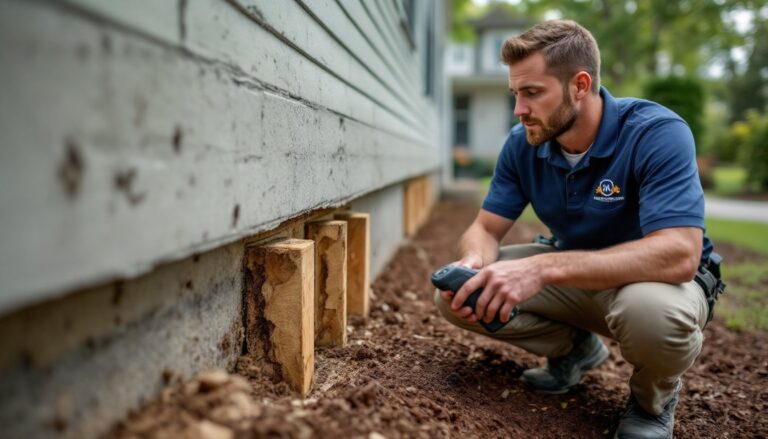
Effective sealing requires the right materials and attention to detail. Rodent-proof caulk or expandable foam works for holes up to 1 inch. Anything larger needs hardware cloth or metal flashing, rodents can chew through caulk alone.
When you find a crack, expect others nearby. Pour water along your foundation from a garden hose and watch where it runs: pests often follow water pathways. Mark these spots for sealing.
Weatherstripping around doors and windows should create a continuous seal with no gaps. Check the bottom of exterior doors first, this is the #1 entry point for rodents. Replace damaged stripping immediately. Test the seal by turning off lights and checking for daylight around the frame.
Door thresholds are often overlooked. A threshold with a brush strip or rubber seal eliminates the gap under the door. If your door sits high off the ground, rodents can squeeze under. High country homes often have uneven settling: check door gaps annually as the foundation shifts.
Appliances and mechanical systems need attention too. Your laundry dryer vent, range hood, and bathroom exhaust fans all need screens or caps that close when fans aren’t running. These penetrations are common entry points that homeowners forget about.
When To Call Professional High Country Pest Control
Not every pest situation is DIY-friendly. If you’re seeing active rodent droppings, hearing scratching in walls, or noticing structural damage from burrowing, it’s time for professionals. Rodents in wall cavities require strategic inspection and targeted treatment, this isn’t a beginner job.
Understanding local building codes matters here. Some high country jurisdictions require licensed pest control contractors for certain treatments, particularly for fumigation or for dealing with protected species like bats. Before assuming you can handle a problem yourself, check what your county or municipality requires.
Professionals bring tools and knowledge you won’t have. Thermal imaging cameras reveal hidden rodent pathways in walls. Professionals understand the behavior patterns specific to your altitude and region. They know which treatments are effective at elevation, where oxygen levels affect insecticide efficacy. A professional High Country Pest Control service familiar with Colorado Springs or similar communities understands seasonal cycles and structure-specific vulnerabilities.
Cost varies regionally, but basic inspections typically run $150–$300. Ongoing treatment plans range from $40–$100 per month depending on severity. Get multiple estimates and ask about guarantees. Reputable services warranty their sealing work and offer follow-up visits if pests return. Compare services using platforms like HomeAdvisor to find contractors with verified reviews in your specific high country area.
Maintaining Long-Term Pest Protection
One-time prevention isn’t enough. Mountain homes need annual maintenance schedules, particularly seasonal checks. Late July through August is your preparation window, before pests start seeking shelter. Walk your foundation, check caulking and weatherstripping, inspect attic and basement access points, and test that doors seal properly. Any gaps found now can be sealed before the September invasion begins.
Keep exterior areas clean and maintained. Trim tree branches away from your roof, they’re rodent highways. Remove dead branches and store them away from the house. Keep gutters clean: standing water and leaf debris create harborage. These aren’t glamorous tasks, but they’re foundational to pest prevention.
Indoors, store food in airtight, rigid containers, not just closed boxes or bags. Rodents can chew through cardboard and plastic bags. Paper pantry items, flour, grains, and cereal all need sealed storage. Remove pet food before dark: don’t leave it out overnight. Immediately clean up spills and crumbs. In kitchens and dining areas, especially, cleanliness directly affects pest pressure.
Set snap traps or electronic traps in strategic locations, along walls in basements, attics, and crawl spaces where you’ve noticed activity. Place traps perpendicular to walls where rodents travel. Check traps weekly and dispose of dead animals promptly using gloves and a double bag, then wash your hands thoroughly. This ongoing vigilance prevents small problems from becoming infestations. Today’s Homeowner seasonal checklists can help you structure these maintenance tasks year-round.