


Table of Contents
ToggleCockroaches are one of the most stubborn household pests, thriving in warm, hidden spaces and reproducing faster than most homeowners can react. If you’ve spotted even one roach, there are likely more hiding in walls, under appliances, or behind cabinets. The good news? A combination of immediate action and strategic prevention can eliminate them without always calling a professional. This guide walks you through identifying an infestation, tackling it head-on with proven DIY methods, and sealing your home against future invasions. Whether you’re dealing with German, American, or Oriental cockroaches, these practical steps work.
Key Takeaways
- Cockroaches require only three things to thrive—shelter, food, and water—so early detection through droppings, musty odors, and egg cases allows you to act before an infestation becomes severe.
- Gel baits are the most effective DIY cockroach pest control method, targeting the entire colony through slow-acting insecticide; place 10–15 baits per room and replace every 2 weeks for 4–6 weeks of complete control.
- Eliminating sanitation issues—removing food sources, sealing cracks, and reducing clutter—creates an unwelcoming environment that forces roaches out without relying solely on chemicals.
- Moisture control through fixing leaky pipes and reducing humidity starves roaches of water, which they can survive without for only days compared to weeks without food.
- Professional pest control should be considered after 8 weeks of unsuccessful DIY treatment or for severe, multi-room infestations where licensed operators guarantee results and provide follow-up service.
- Long-term prevention through monthly inspections, coordinated building-wide treatment in multi-unit homes, and sustained food storage discipline stops roaches from returning after elimination.
Why Cockroach Infestations Happen and How to Spot Them Early
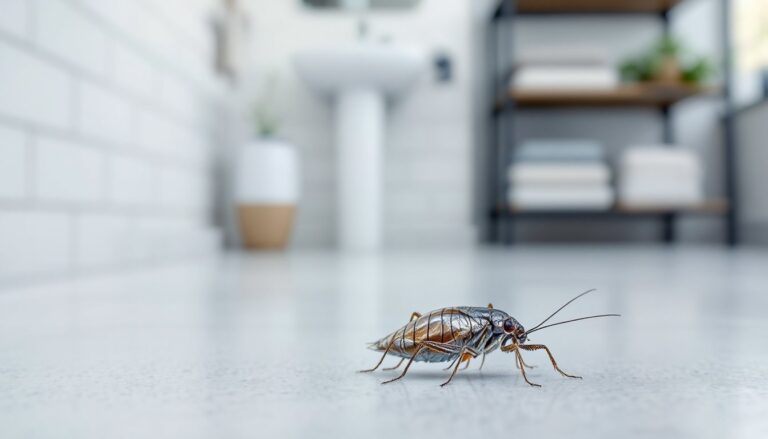
Cockroaches need three things to thrive: shelter, food, and water. They gravitate toward kitchens and bathrooms where moisture is high and crumbs accumulate. German cockroaches, the most common indoor species, reproduce rapidly and hide in cracks and crevices during the day. American cockroaches prefer basements and crawl spaces: Oriental roaches favor cool, damp areas.
Spot an infestation early by looking for these signs:
- Brown droppings the size of a grain of rice scattered in cabinets, drawers, or under the sink
- Musty odor in infested areas (stronger with larger populations)
- Egg cases (called oothecae), dark brown and rectangular, typically 1/4 inch long
- Live roaches visible at night or when you turn on kitchen lights suddenly
- Shed skin or molted exoskeletons near their hiding spots
The earlier you act, the easier control becomes. A single female German cockroach can produce 400+ offspring in a year, so weeks of delay multiply your problem exponentially. Check behind the refrigerator, under the sink, inside cabinet kickboards, and along baseboards regularly. Early detection transforms a manageable project into a serious infestation that may require professional intervention.
Immediate DIY Pest Control Methods You Can Do Today
Start with sanitation, this is your first line of defense and costs nothing. Remove all food sources: crumbs, grease buildup, pet food left out overnight, and standing water. Clean under and behind appliances where roaches hide and feed. Seal trash cans tightly. Roaches can’t survive without access to food and water, so denying both forces them to move or starve.
Next, eliminate hiding spots. Seal cracks and crevices with caulk or expanding foam, especially around pipes under sinks, gaps in baseboards, and spaces where utilities enter walls. Reduce clutter and declutter storage areas. Roaches need tight spaces to feel secure: open, clean areas discourage them.
You can also carry out cockroaches pest control methods across your entire home by removing the conditions that sustain them. Once you’ve created an unwelcoming environment, introduce active treatment methods.
Chemical Treatments and Insecticide Options
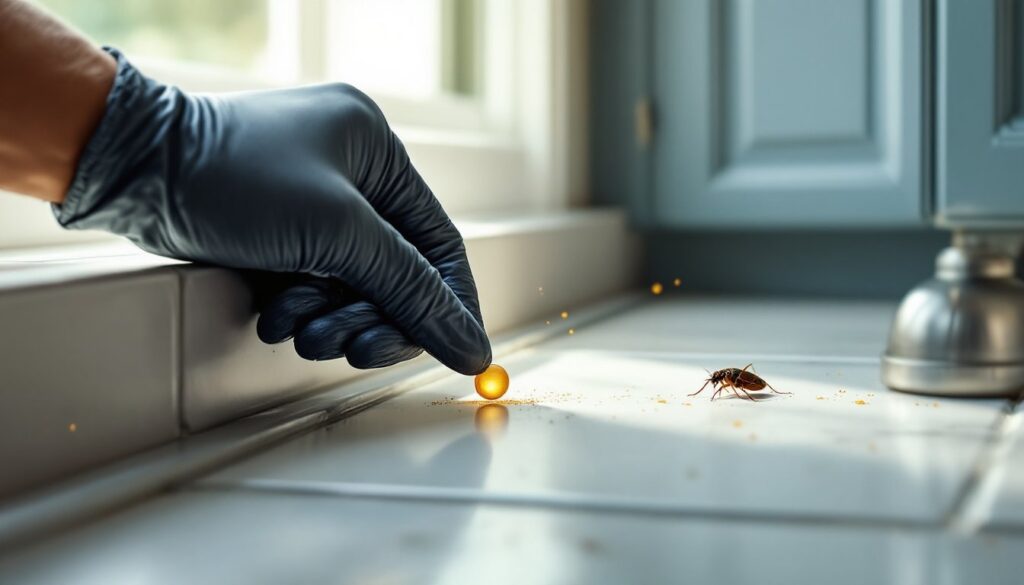
Gel baits are the most effective DIY option and require minimal skill. Products like Advion Gel Bait or Maxforce Quantum contain a slow-acting insecticide mixed with an attractant. Roaches eat the bait, return to their nest, and poison the colony through contact and feces consumption. Place baits in small dots (pea-sized) in corners, under sinks, near baseboards, and inside cabinets, anywhere you’ve seen roaches or droppings.
Deploy 10–15 baits per room depending on infestation severity. Replace baits every 2 weeks for 8 weeks minimum. You’ll see improvement within days, but the cycle takes 4–6 weeks to break completely. Baits work because they target the root problem: the colony, not just visible roaches.
Boric acid powder is a budget alternative, though it requires careful application to avoid contact with children and pets. Dust a thin, barely visible layer along baseboards, under cabinets, and in wall voids if you can access them. Roaches walk through the powder, ingest it while grooming, and die. Wear a dust mask and gloves when applying. Boric acid loses effectiveness when wet, so keep it dry. It’s slower than baits but persistent over months.
Insecticide sprays (pyrethroids or neonicotinoids) offer faster knockdown but kill only roaches present at spray time: they don’t address the colony. Use them as a secondary tool after baits, spraying along baseboards, under appliances, and into cracks. Follow label instructions strictly. Ensure good ventilation and keep children and pets away during application and drying. Roaches can develop resistance to sprays if overused, so rotate products if treating beyond 8 weeks.
Wear safety goggles, nitrile gloves, and a respirator mask when handling any chemical insecticide. Mix or apply outdoors if possible. Never apply baits or powders where food is prepared without thorough cleaning afterward. Store all products in original containers away from children and pets. Read labels completely, they’re legal documents detailing safe use, not suggestions.
Long-Term Prevention Strategies for Your Home
Once you’ve eliminated an infestation, prevention stops them from returning. Roaches exploit poor maintenance, so sustained habits matter more than a single treatment.
Moisture control is critical. Fix dripping faucets, leaky pipes, and standing water under sinks immediately. Install or repair bathroom ventilation fans to reduce humidity. Use a dehumidifier in basements or crawl spaces where moisture lingers. Roaches can survive weeks without food but only days without water: drying out your home starves them.
Structural sealing closes entry points. Caulk gaps around pipes, baseboards, and door frames. Weatherstrip exterior doors and vents. Screen foundation vents and soil pipes. Inspect your home’s exterior for cracks in the foundation or siding and seal them. Many infestations start outside, so a tight envelope prevents colonization.
Food storage discipline removes temptation. Use airtight containers for pantry items, crackers, and dry goods. Wipe counters and appliances daily, especially stovetops and underneath. Never leave dirty dishes overnight. Take trash out nightly. Pet food bowls should be emptied and cleaned before bed. These small habits compound into a roach-proof kitchen over time.
Consider at-home pest control as part of your routine maintenance. Schedule monthly inspections for droppings, shed skins, or musty odors. Rotate baits every 3–4 months during warm seasons as a preventive measure. Early intervention stops one stray roach from establishing a new colony.
If you’re in a multi-unit building like an apartment or townhouse, talk with neighbors and your landlord. Roaches move between units through shared walls and pipes. Coordinated treatment across multiple units works far better than treating one apartment in isolation. Building-wide sealing and baiting break the cycle.
When to Call a Professional Pest Control Service
DIY methods work for light to moderate infestations caught early. If you’ve been treating for 8 weeks without meaningful improvement, or if the infestation is severe, roaches visible during the day, droppings in multiple rooms, or a persistent musty odor, call a licensed pest control operator.
Professionals have access to stronger insecticides, commercial-grade equipment, and knowledge of local building codes. They also guarantee results and often provide follow-up visits, something DIY doesn’t offer. Expect to spend $200–$600 for initial service, depending on your home’s size and severity. Homeowners researching local solutions often discover that professional treatment costs less than repeated failed DIY attempts over months.
Specific scenarios that warrant professional help:
- Infestation in walls or attics requiring structural access
- Severe infestations affecting multiple rooms or the entire home
- Allergic reactions or health concerns from handling chemicals
- Rental properties where tenants won’t comply with prevention measures
- Previous DIY treatments that failed
Even after professional treatment, maintain prevention habits. Professionals eliminate the current population, but poor sanitation and moisture create conditions for reinfestation within weeks.
Conclusion
Cockroach elimination isn’t glamorous, but it’s straightforward: remove conditions that sustain them, deploy targeted treatments, and maintain vigilance. Gel baits combined with sanitation handle most infestations within 4–8 weeks. Prevention through moisture control, sealing, and food discipline stops them from returning. Know your limits, structural issues, severe infestations, or health concerns call for professionals. Start today, stay consistent, and reclaim your home from these resilient pests.