


Table of Contents
ToggleFleas in your house aren’t just an annoyance, they’re a problem that compounds fast. A single flea can multiply into hundreds within weeks, and once they’ve settled into your carpets, bedding, and furniture, they’re stubborn guests. Whether you’ve got pets or discovered fleas from wildlife contact, the good news is that you don’t need to call an exterminator immediately. With the right approach and consistent effort, most homeowners can tackle a flea infestation themselves. This guide walks you through identifying the problem, taking immediate action, and implementing both natural and chemical treatments that actually work.
Key Takeaways
- Fleas in your house multiply rapidly, but most homeowners can handle a flea infestation using a combination of vacuuming, hot washing, and DIY treatments without calling an exterminator.
- Identify fleas early by looking for flea dirt (black pepper-like specks), pet scratching and hair loss, and bites on your ankles and lower legs, then inspect carpets, bedding, and furniture thoroughly.
- Treat both your pets and home simultaneously with vacuum daily, wash all bedding in hot water, and use follow-up treatments within 5–10 days to break the flea life cycle.
- Natural treatments like steam cleaning and food-grade diatomaceous earth work, but combining them with chemical sprays or insect growth regulators (IGRs) provides faster, more reliable flea control.
- Take pets to a veterinarian for prescription flea treatments, wash pet bedding weekly, and continue cleaning for 3–4 weeks to eliminate newly hatched generations.
- If DIY flea treatment fails after 4 weeks, call a professional pest control company, especially for heavy infestations or fleas in walls, crawl spaces, and HVAC systems.
Identifying Fleas In Your Home
Signs Of A Flea Infestation
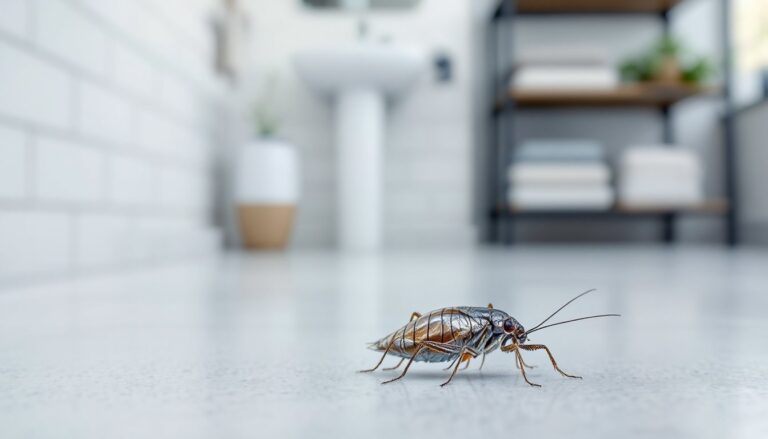
Fleas are small, wingless, brown insects barely visible to the naked eye, usually 1 to 4 millimeters long, but their presence becomes obvious quickly. The most telling sign is flea dirt: tiny black specks that look like pepper on your floors, bedding, or pet fur. If you crush one between your fingers on a damp paper towel and it turns reddish-brown, that’s dried blood, confirmation of a flea infestation.
You’ll also notice bites on yourself, especially around ankles or lower legs where fleas jump onto exposed skin. Pets scratch, bite, and groom themselves obsessively, sometimes creating hot spots or hair loss from the constant irritation. Seeing live fleas jumping on pets, furniture, or floors is the unmistakable final sign.
Quick Inspection Tips For Pet And Non-Pet Owners
Start where fleas hide: carpets, rugs, skirting boards, cracks between floorboards, under furniture, and dark corners. They love warm, protected spaces, so inspect pet bedding, cushions, blankets, and mattresses thoroughly.
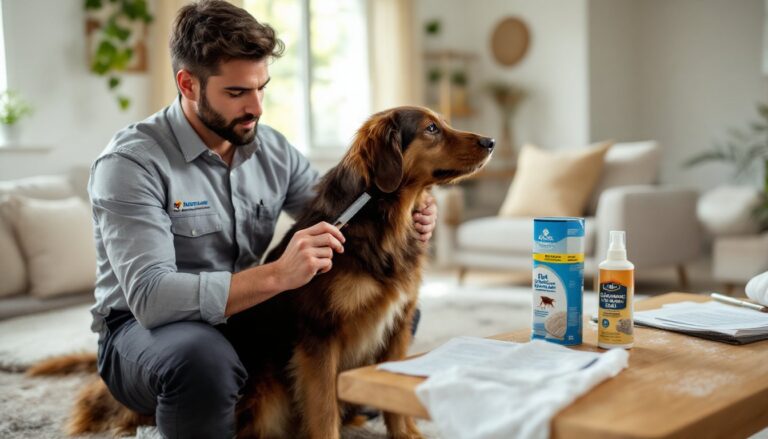
If you have pets, use a fine-toothed flea comb on their neck, face, and the area in front of the tail. Comb directly over a damp paper towel, fleas will stick to it. For non-pet homes, focus on areas near wildlife entry points, shared hallways with pets, and any upholstered furniture. Even without pets, wildlife like raccoons or opossums can introduce fleas to your house.
Immediate Steps To Control The Infestation
Once you’ve confirmed fleas, start today. Timing is critical because their life cycle accelerates in warm homes.
Vacuum every square inch of your house daily for the first week, floors, carpets, rugs, furniture seams, edges, corners, and under beds. Don’t skip the baseboards or anywhere pet paws have touched. Empty the vacuum immediately into a sealed garbage bag and dispose of it outside. Fleas can survive inside the vacuum cleaner otherwise.
Wash all bedding, blankets, pet bedding, and cushion covers in the hottest water your fabrics tolerate, then dry on high heat. Heat kills fleas at all life stages. If you have upholstered furniture you can’t wash, vacuum it thoroughly and consider a follow-up steam treatment.
Treat your pets and your home simultaneously, this is non-negotiable. If only your home is treated while fleas remain on pets, reinfection happens within days. Flea pest control costs vary depending on your approach, but DIY treatment keeps expenses lower than professional services. Plan for 2 or more follow-up treatments within 5–10 days to break the flea life cycle, as CDC guidance recommends.
DIY Flea Treatments You Can Do Today
Natural And Chemical Solutions For Your Home
Your treatment strategy depends on your comfort level, pet sensitivity, and infestation severity.
Natural Approach:
Vacuuming combined with hot washing handles a surprising amount of the problem. Steam cleaning your carpets and furniture adds significant killing power, heat destroys fleas and eggs. Diatomaceous earth (food-grade only) can be sprinkled on carpets and furniture, left for 24–48 hours, then vacuumed up. It dehydrates adult fleas. Outdoor sanitation matters too: trim grass, remove debris piles, and avoid standing water where wildlife congregates.
Chemical Approach:
Household flea sprays formulated for indoor use kill adults on contact. Follow the label directions exactly, application rate, ventilation requirements, and time in the space matter. Flea powders work similarly and may be less messy if you’re treating furniture. For longer-lasting control, insect growth regulators (IGRs) like methoprene or pyriproxyfen prevent flea eggs and larvae from developing into adults. These are often found in combination sprays and work behind the scenes while you vacuum and wash.
Chemical effectiveness depends on coverage, so vacuum and wash before spraying, then apply the product to the areas where fleas hide most: edges, crevices, under furniture, and dark corners. Real Simple’s cleaning guides offer strategic approaches to thorough surface treatment that complement chemical applications.
Treating Your Pets And Bedding
Every pet in the home needs treatment, even the cat if you have a dog, or vice versa. Fleas don’t discriminate, and untreated animals become re-infestation vectors.
Take your pet to a veterinarian for the most effective flea control product. Prescription treatments like topical applications, oral medications, and flea collars are stronger than over-the-counter options and specifically matched to your pet’s age, weight, and health. Your vet will also identify any skin irritation or secondary infections from scratching that need treatment.
Wash pet bedding weekly in hot water and dry on high heat for several weeks. Vacuum around pet sleeping and resting areas daily. Good Housekeeping’s product reviews include tested flea prevention products if you’re comparing options, though veterinarian recommendations should carry more weight than retail reviews.
Commit to the full timeline: continue cleaning, follow-up treatments, and pet medication for at least 3–4 weeks. The flea life cycle is roughly 2–3 weeks, so you need multiple rounds to catch newly hatched generations. Skipping follow-up treatments is the most common reason DIY flea control fails.
When To Call A Professional
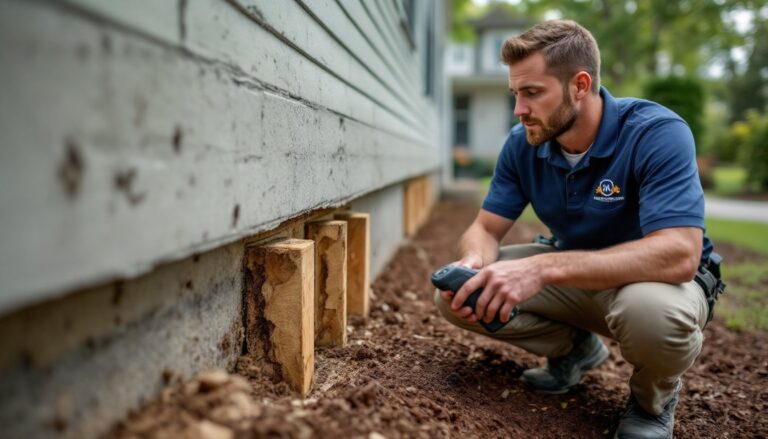
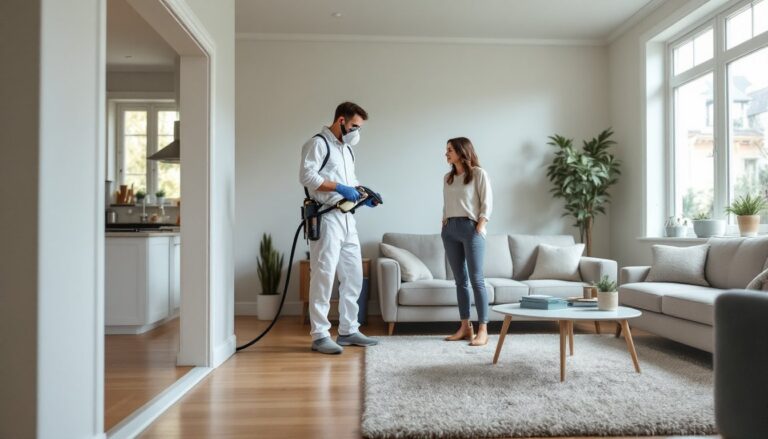
Heavy infestations or persistent problems after 4 weeks of DIY treatment warrant professional help. If fleas are in your walls, crawl space, or HVAC system, a licensed pest control company has tools and expertise you won’t access as a homeowner. They can also treat outdoor areas more comprehensively if wildlife is the source.
Flea control for house exteriors and yards, targeting shady areas and places pets spend time, is often included in professional packages. It’s one area where DIY solutions are less effective because you lack the commercial-grade equipment.
Set a checkpoint at week 4: if bites continue, you’re seeing live fleas, or pet scratching hasn’t improved, call professionals. It’s not a failure, it’s a reasonable next step when circumstances demand it.