



Table of Contents
ToggleCarpet beetles are one of those household pests that creep in quietly and cause real damage before you notice them. Unlike the obvious invader you can swat, carpet beetles work behind the scenes, munching on fibers in your upholstery, wool rugs, and stored fabrics while you sleep. A single infestation can destroy heirloom garments or ruin the backing of a prized antique rug in months. The good news: carpet beetle control doesn’t always require a professional. With the right approach to identification, treatment, and prevention, you can eliminate them and keep them from coming back. This guide walks you through what these pests are, how to spot them, and the hands-on methods that actually work.
Key Takeaways
- Carpet beetle control starts with identification: look for small holes in fabrics, fuzzy brown droppings, and damage concentrated in dark areas like closets and under furniture.
- Thorough vacuuming with a HEPA-filter vacuum and heat treatment (washing at 130°F or freezing at 0°F for 2 weeks) kills all life stages of carpet beetles in infested clothing and textiles.
- Prevent future infestations by storing wool, vintage textiles, and furs in sealed plastic containers with cedar chips, maintaining humidity below 50%, and vacuuming storage areas monthly.
- Steam cleaning carpets and upholstered furniture at temperatures above 130°F is highly effective for concentrated beetle infestations and often costs less than professional pest control.
- Call a licensed pest control professional if larvae are visible in multiple rooms, damage spans large areas, or DIY efforts fail after 2-3 weeks—professionals access hidden voids and provide residual insecticide treatments.
Understanding Carpet Beetles and Why They Infest Homes
Carpet beetles aren’t just about carpets, they’re after protein-rich natural fibers. Adult beetles lay eggs in closets, under baseboards, and in your attic where wool sweaters, leather goods, feathers, and dried goods sit undisturbed. The larvae are the real troublemakers: they hatch within 3 to 5 weeks and immediately start feeding. A single female can lay 20 to 200 eggs over her lifetime, so one beetle spotting often signals a much larger problem developing in the walls.
These pests thrive in dark, undisturbed spaces with steady temperatures, exactly what most homes offer. They’re also incredibly small (adults are only about 1/8 inch to 3/16 inch long) and move quickly, making them easy to miss until damage is obvious. Unlike bed bugs or fleas, carpet beetles don’t bite or directly harass people, which is partly why infestations go unnoticed so long. But the financial and sentimental cost adds up fast once larvae start tunneling through your belongings.
Identifying Signs of a Carpet Beetle Infestation
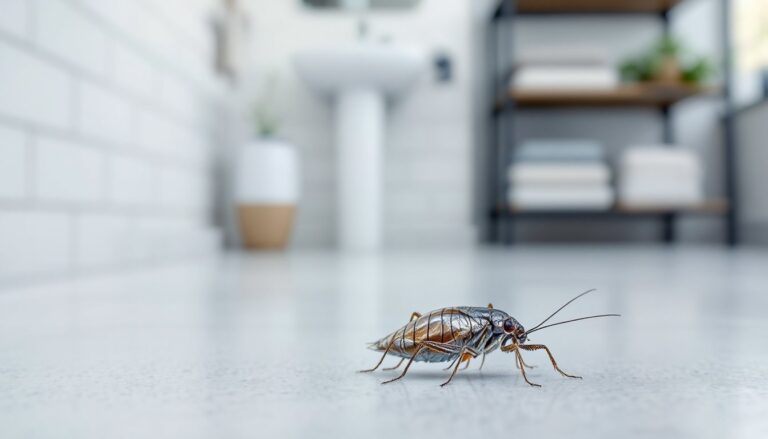
The first clue is often small holes in woven fabrics, leather, or fur items, signs the larvae have been feeding for a while. You might find small, brown, fuzzy, elongated droppings (frass) near infested areas or in carpet pile. Spotting actual beetles is less common since they hide during the day, but you may see them crawling along baseboards, window sills, or light fixtures at dusk or near windows where they’re attracted to sunlight.
Larval damage is distinctive: irregular holes, thinning patches, or what looks like small tunnels in rugs and upholstered furniture. Wool and silk are preferred targets, but they’ll also damage cotton, linen, and synthetic blends if protein-based finishes are present. Check under bed frames, inside closets, and the undersides of upholstered pieces. If you’ve noticed damage but haven’t identified the culprit, carpet beetles are worth investigating, especially if damage appears in spring or early summer when beetle activity peaks. Confusing them with other pests like fabric moths is common: moth damage tends to be more linear and extensive, while beetle damage appears more scattered and concentrated in specific areas.
DIY Methods to Get Rid of Carpet Beetles
Once you’ve confirmed carpet beetles, the goal is to kill both adults and larvae and remove their food sources. Start by isolating and treating infested items before the problem spreads further.
Vacuuming and Heat Treatment Strategies
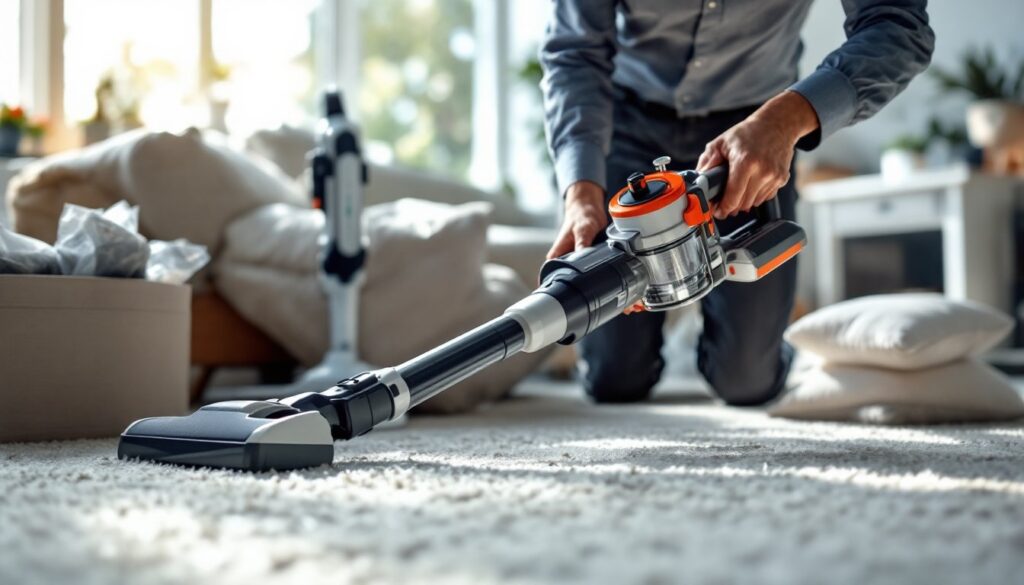
Vacuuming is your first line of offense. Thoroughly vacuum all carpeted areas, under furniture, inside closets, and along baseboards using a HEPA-filter vacuum, the filter traps larvae and eggs so they don’t escape back into the room. Pay extra attention to dark corners, edges where carpet meets walls, and underneath furniture that’s rarely moved. Make multiple passes over suspected hot spots. After vacuuming, seal the vacuum bag immediately in a plastic garbage bag and dispose of it outside, or empty the canister directly into a sealed outdoor trash container.
For infested clothing and small items, heat treatment is highly effective. Wash items in hot water (130°F or hotter) if fabric care labels allow, then dry on the highest heat setting for at least 30 minutes. This kills all life stages of the beetle. Items that can’t tolerate hot washing, delicate silks, wools, or heirlooms, can be sealed in a freezer bag and placed in a freezer at 0°F for at least 2 weeks to kill larvae and eggs.
If infestation is concentrated in carpeting or upholstered furniture, steam cleaning at temperatures above 130°F can kill larvae. Rent a commercial carpet steamer or hire a professional carpet cleaning service: the heat and moisture combination is lethal to beetles at all life stages. Make sure the carpet dries completely afterward to prevent mold. For heavy infestations in furniture you want to keep, this is sometimes more practical than replacement and costs less than full pest control service.
Prevention Tips to Keep Carpet Beetles From Returning
Prevention is cheaper and easier than dealing with another infestation. The backbone of carpet beetle prevention is removing their habitat and food sources.
Store vulnerable items properly. Wool clothing, vintage textiles, and stored furs should go into sealed plastic containers or airtight bags rather than sitting on open shelves or in cardboard boxes in the attic. Cedar chips or mothballs placed inside help deter beetles, refresh them every few months. Dry-clean woolen items before storing them for the season: residual fabric finishes attract larvae, and the cleaning process damages eggs and young larvae.
Keep storage areas clean and dry. Carpet beetles love dust accumulation and humidity. Vacuum closets and storage spaces monthly, and maintain indoor humidity below 50% if possible: dehumidifiers help in damp basements or attics. Seal cracks and crevices around baseboards, windowsills, and anywhere plumbing or electrical lines enter the house, beetles can slip through surprisingly small openings.
Minimize outdoor attractants. Carpet beetles are attracted to lights, especially near doors and windows. Replace outdoor white bulbs with yellow or sodium vapor bulbs (“bug lights”) that are less attractive. Seal gaps around window frames and door sweeps so adults can’t wander inside from nearby brush or mulch piles.
Regular inspection reduces surprise infestations. Every few months, inspect stored items visually, and vacuum under beds, inside closets, and along perimeter walls. Early detection means you catch beetles before major damage occurs. Many homeowners find practical home organization tips helpful for maintaining the clean, clutter-free spaces beetles dislike.
When to Call a Professional Pest Control Service
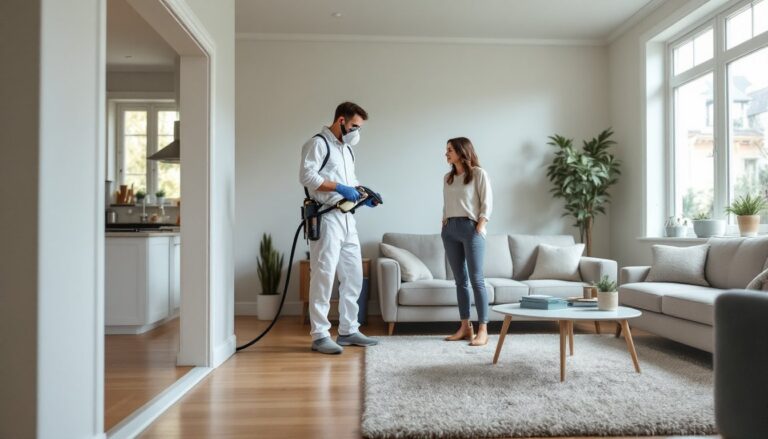
DIY methods work well for light to moderate infestations in accessible areas, a closet with a few damaged garments, or scattered activity in a bedroom. But heavy or widespread infestations warrant professional help. If larvae are visible in multiple rooms, damage spans large areas of carpeting or upholstered furniture, or DIY efforts haven’t slowed the problem after 2 to 3 weeks, it’s time to call in a licensed pest control technician.
Professionals have access to residual insecticides (like pyrethroids) that continue killing beetles for weeks after application, and they can reach hidden voids and wall cavities where beetles shelter. They’ll also inspect your attic, basement, and crawl spaces, areas most homeowners skip. Expect a thorough inspection, treatment of affected areas, and follow-up visits to confirm elimination. Cost varies widely by region and infestation severity (typically $300 to $1,000+ for multiple visits), but it’s justified when DIY methods stall or when the infestation threatens valuable possessions.
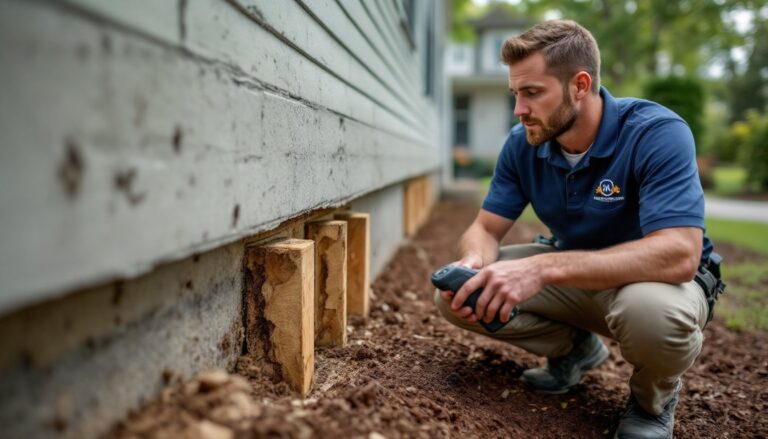
If you’re uncertain whether you have carpet beetles or a different pest, perhaps confusing them with fabric moths, fleas, or stink bugs, a professional inspection removes guesswork. Misidentifying the pest means choosing the wrong control strategy. The same applies to related household pests: professional guidance on pet flea control or stink bug pest control ensures you’re targeting the actual problem. For carpenter ant pest control and other structural pest concerns, professionals can rule out issues DIY treatment would miss entirely.
Conclusion
Carpet beetle control is absolutely manageable on your own if you catch the problem early and stay consistent with treatment and prevention. Vacuum thoroughly, treat infested textiles with heat, remove clutter and food sources, and inspect regularly. Most light infestations disappear within a month of focused effort. For serious infestations or high-value items at risk, professional pest control offers faster, guaranteed results. Either way, the key is acting fast, these tiny pests move quickly, and prevention beats remediation every time.