





Table of Contents
ToggleSilverfish aren’t dangerous, but they’re relentless. These small, wingless insects slip into homes through cracks, feed on paper and fabric, and multiply quietly in damp corners. If you’ve spotted one darting across a bathroom floor or found damage to old books in a storage closet, you’re dealing with a common household invader that millions of homeowners face every year. The good news: you can eliminate silverfish in house environments using targeted prevention, environmental controls, and straightforward removal methods. This guide walks you through identifying an infestation, understanding why they show up, and taking action, whether you handle it yourself or call in a professional.
Key Takeaways
- Silverfish in house environments thrive in humid conditions (75–95% relative humidity), so controlling moisture through dehumidifiers, exhaust fans, and leak repairs is the most effective prevention and elimination strategy.
- Early detection of silverfish infestations is critical—look for irregular damage to paper and fabrics, tiny black pepper-like droppings, and yellow stains in damp areas like basements and bathrooms.
- Seal entry points smaller than 1/16 inch using silicone caulk and store paper, books, and fabrics in airtight plastic containers rather than cardboard to eliminate food sources and prevent re-infestation.
- Sticky traps and food-grade diatomaceous earth are reliable DIY treatments that require 2–3 weeks to work, but professional pest control services are recommended if infestation persists or is severe.
- Address plumbing leaks and improve ventilation as permanent solutions, since moisture-related issues underlying silverfish problems also attract centipedes and other household pests seeking damp environments.
What Are Silverfish and Why They Invade Homes
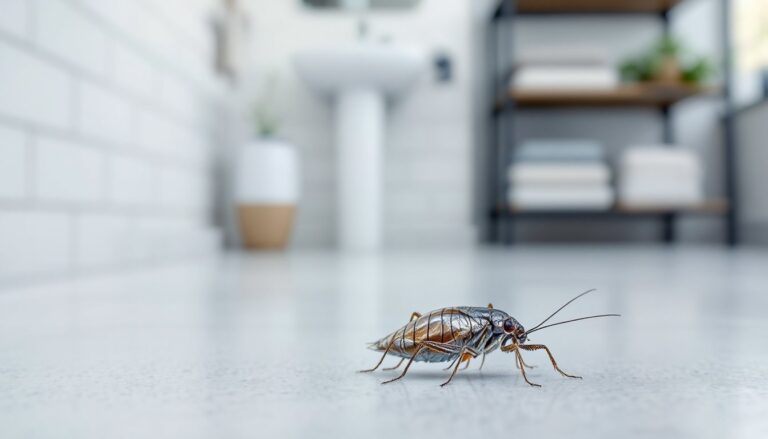
Silverfish are small (typically ¼ to ¾ inch long), wingless insects with a metallic silver or gray body and a tapered, carrot-like shape. They’re nocturnal, fast-moving, and primitively evolved, they’ve been around for over 300 million years. Even though their creepy appearance, they don’t bite, sting, or transmit disease. What they do is damage: they feed on starches, cellulose, and protein found in paper, cardboard, fabrics, glue, and stored foods.
Silverfish thrive in environments that most of us consider normal but that they find ideal. They’re attracted to humidity, ideally between 75% and 95% relative humidity. A damp basement, a steamy bathroom, a crawlspace with poor ventilation, or a kitchen with a slow leak creates a silverfish paradise. They also need darkness and minimal disturbance, which is why they hide in walls, under sinks, behind appliances, and inside storage boxes. Once they establish themselves, they reproduce steadily (females lay eggs year-round in mild climates), so early detection and action matter.
Signs of a Silverfish Infestation
The first sign is often a sighting: a darting, glinting bug disappearing into a crack when you flip on the light. Silverfish move fast and avoid light, so daytime encounters usually mean a large population already present. Look for these additional clues:
Visual damage: Irregular, jagged holes or shallow notches in paper, book covers, photos, wallpaper, or fabric. The damage looks different from rodent gnawing, it’s more superficial and ragged.
Droppings: Tiny, pellet-shaped feces that look like coarse black pepper. You’ll find them near nesting sites, in boxes, under sinks, or along baseboards.
Stains or discoloration: Yellow stains or a yellow-gray discoloration on surfaces they’ve frequented.
A musty smell: In severe infestations, a faint, fishy odor (sometimes described as similar to mothballs) may develop.
Finding one silverfish doesn’t guarantee an infestation, but multiple sightings or damage in several areas signals a breeding population. Check older documents, unsealed food containers, and damp storage areas first.
Where Silverfish Hide and What Attracts Them
Silverfish are moisture-seeking, so bathrooms and basements are ground zero. They hide in:
- Under sinks and around drain pipes where condensation pools
- In or near HVAC ducts and ductwork that hasn’t been sealed or insulated properly
- Inside walls through small gaps around plumbing or electrical penetrations
- Attics and crawlspaces with high humidity from poor ventilation or roof leaks
- Storage boxes and closets packed with paper, fabric, or cardboard in damp areas
- Behind baseboards and around window frames where moisture accumulates
Food sources attract them, but moisture is the real draw. A home with normal humidity levels (30–50%) is far less appealing than one plagued by leaks, condensation, or poor ventilation. If you’ve noticed centipedes in house at the same time, it’s worth investigating moisture and food sources, some pests follow others, and they often share the same conditions. Similarly, a silverfish bug in house and other pests like earwigs can coexist in damp environments, so treating the moisture problem addresses multiple issues. The same goes if you’re seeing silverfish in home alongside other household insects.
DIY Methods to Get Rid of Silverfish
Moisture Control and Environmental Changes
Moisture is the linchpin. Eliminate it and silverfish lose their primary appeal.
Fix leaks immediately. Check under sinks, around toilets, and behind washing machines. Even a slow drip creates a microclimate silverfish love. Use a flashlight and mirror to inspect dark spots: damp wood or discolored insulation signals a problem.
Improve ventilation. Run exhaust fans in bathrooms for 20–30 minutes after showers. If your bathroom doesn’t have a fan, install one (a simple retrofit job involving minimal ductwork). In basements, use a dehumidifier to keep relative humidity below 50%. Aim for 30–50% humidity throughout your home.
Seal entry points. Silverfish squeeze through cracks as small as 1/16 inch. Use silicone caulk (not paintable latex, which hardens and cracks) around pipes, electrical outlets, and baseboards where they penetrate walls. In crawlspaces, seal gaps around rim joists and band boards.
Remove food sources. Store paper, books, and fabric in sealed plastic containers, not cardboard boxes. Keep pantries dry and store dry goods in airtight containers. Remove stacks of old newspapers, magazines, and corrugated cardboard from basements and garages.
Traps, Treatments, and Natural Remedies
Sticky traps are your first diagnostic tool. Place glue traps (the kind used for rodents) along baseboards in suspected problem areas, bathrooms, basements, kitchens. Check them every few days. High counts confirm an infestation and help you identify hotspots.
Insecticide dust like boric acid powder or diatomaceous earth (DE) kills silverfish on contact. Food-grade DE is safer for homes with pets and kids. Apply it sparingly around baseboards, under sinks, and inside wall voids using a hand duster or caulk gun applicator. Wear a dust mask and gloves when applying. It works slowly (takes days to weeks) because silverfish must contact and ingest particles.
Over-the-counter treatments: Products containing pyrethrins (derived from chrysanthemum flowers) or synthetic pyrethroids are effective and relatively low-toxicity. Spray or dust these along baseboards, in cracks, and behind appliances. Always read the label and follow safety instructions.
Natural remedies: Boric acid mixed with powdered sugar or flour creates a bait (though boric acid is toxic if ingested, so keep it away from kids and pets). Cedar oil and lavender are sometimes recommended as deterrents, but evidence is anecdotal. Diatomaceous earth is the most reliable natural option.
If DIY methods don’t work within 2–3 weeks, or if the infestation is severe, call a licensed pest control professional. They have access to stronger materials and can identify hidden harborage areas you might miss.
Prevention Tips to Keep Silverfish Out
Once you’ve cleared an infestation, prevention keeps them from returning.
Maintain low humidity year-round. Use dehumidifiers in basements and crawlspaces, especially in summer. In bathrooms, run exhaust fans during and after showers. Insulate cold-water pipes to reduce condensation.
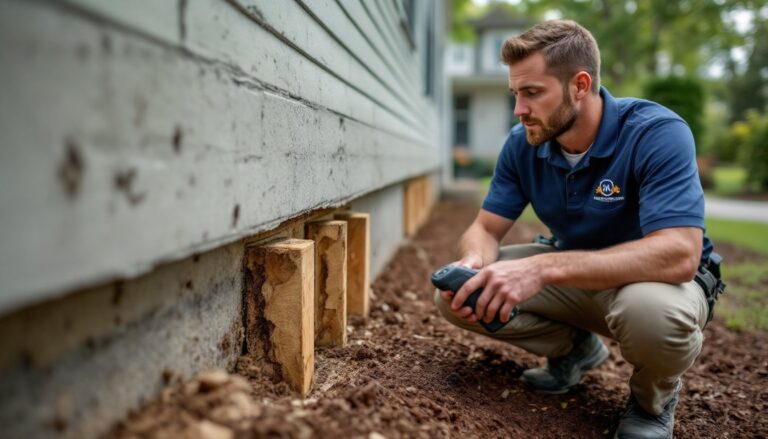
Inspect and seal regularly. Check foundation cracks, basement windows, and garage entry points twice a year. Silverfish can travel through tiny gaps, so don’t overlook small fissures. Caulk or weatherstrip as needed.
Store wisely. Keep paper, textiles, and cardboard in sealed plastic bins in dry locations. Avoid storing anything directly on basement or crawlspace floors, use shelving with air circulation beneath. Label and date containers so you rotate stock.
Declutter. Piles of boxes, magazines, and newspapers are silverfish hotels. Shred old documents, recycle cardboard promptly, and donate or discard unused items. A clean, organized space gives pests fewer hiding spots and makes inspections easier.
Monitor with traps. Place a few sticky traps in high-risk areas (bathroom, basement, kitchen) even after treatment. Catches drop to zero once the infestation is gone: a sudden uptick signals a new problem before it explodes.
Address plumbing issues early. A small leak today becomes a mold problem and silverfish paradise tomorrow. Fix dripping faucets, replace worn washers, and have pipes inspected annually if your home is older. Many pest problems stem from moisture, so treating root causes protects against silverfish and other household pests like centipedes or other insects seeking damp environments.
For comprehensive guidance on home maintenance and pest prevention, resources like The Spruce offer detailed cleanup and organization strategies that complement pest control efforts. Combining environmental controls with regular inspections and maintenance is far more effective than relying on treatments alone.