





Table of Contents
ToggleHomeowners often notice spiders building webs in corners, closets, and basements, sometimes with concern or frustration. American house spiders are among the most commonly found spiders inside homes across North America, and understanding what they are and how to manage them is a practical part of home maintenance. While they’re generally considered nuisance pests due to their visible webs, these spiders actually provide a benefit by hunting down other household insects. This guide covers the most common species you’ll encounter, how to identify them, and straightforward strategies for coexisting with or removing them from your home.
Key Takeaways
- American house spiders are nuisance pests primarily because of messy webs, but they actively hunt other household insects like gnats, flies, and mosquitoes, making them beneficial for pest control.
- The American house spider (Parasteatoda tepidariorum) is the most common species homeowners encounter, identifiable by its yellowish-brown to grayish coloring and small size of approximately 3/16 to 5/16 inch in length.
- Seal foundation cracks, install door sweeps, and keep screens intact to prevent spiders and other pests from entering your home through gaps and damaged openings.
- Regular weekly vacuuming of corners, shelves, and closets removes webs and egg sacs, effectively discouraging house spiders from settling in frequently disturbed areas.
- American house spiders rarely bite and pose no medical threat to humans; bites typically cause only mild redness or slight itching if they occur at all.
- Coexistence is often the most practical strategy—tolerating house spiders in basements and garages while excluding them from living areas balances pest control benefits with home cleanliness.
Why House Spiders Matter to Homeowners
American house spiders are nuisance pests primarily because of the messy webs they leave behind. These webs collect dust, pet hair, and household debris, making corners and shelving look unkempt. For homeowners focused on maintaining clean, well-organized spaces, spider webs are often the first sign of an infestation.
But, there’s a practical trade-off. House spiders actively hunt and consume other household pests, including gnats, flies, mosquitoes, and smaller insects that can be far more annoying or damaging. In some cases, tolerating a few spiders may mean fewer other insects to deal with. If you’re dealing with a heavy indoor insect problem, removing all spiders might actually make the situation worse.
Understanding whether you have a spider problem or simply a few harmless residents helps you decide whether to exclude them entirely or manage their populations more selectively. Most American house spiders pose no threat to humans and rarely bite unless directly threatened.
Common American House Spider Species
The American house spider (Parasteatoda tepidariorum), also called the common house spider, is the species most homeowners encounter. This spider has a cosmopolitan distribution, meaning it lives near human dwellings worldwide, and is one of the most abundant spiders found in U.S. homes. Its prevalence makes it important to recognize and understand.
Other common indoor spiders share similar habits and environments, so knowing the broader group helps with identification and management. Several distinct types live in American homes, each with different hunting strategies and web-building behaviors. Recognizing which species you’re dealing with can change how you respond.
Cellar Spiders and Cobweb Weavers
American house spiders are cobweb weavers, meaning they construct the familiar sticky, irregular, messy webs found in corners and crevices. These webs are not geometric like orb-weaver webs: instead, they’re three-dimensional tangles designed to trap insects flying or crawling through the space.
Cellar spiders are another common indoor group, often confused with house spiders. Both prefer dark, undisturbed areas like basements, crawl spaces, attics, and garages. The key difference is their web style: cellar spiders build more delicate, sheet-like webs, while house spiders create the thick, dusty cobwebs familiar to most homeowners. Both types thrive in humid, quiet spaces where prey is readily available.
These webs are highly effective at trapping insects but accumulate dust and debris quickly, which is why they’re often considered unsightly. Regular vacuuming or brushing removes both the webs and any spiders present.
Jumping Spiders and Wolf Spiders
Jumping spiders and wolf spiders are also common household visitors, but they behave very differently from cobweb weavers. Unlike house spiders, these species don’t build permanent webs indoors. Instead, they actively hunt, moving across walls, floors, and furniture in search of prey.
Wolf spiders are ground hunters and often appear suddenly on bathroom floors or in basements, startling homeowners. Jumping spiders are smaller and more curious, sometimes approaching windows or light sources where insects congregate. Both are harmless to humans and actually beneficial for pest control. Because they don’t leave visible webs, many homeowners prefer their presence, even if they’re startled occasionally.
Identifying House Spiders in Your Home
American house spiders are typically yellowish-brown, tan, brown, or grayish in color with dark markings on the abdomen. Their coloring provides camouflage in corners and closets, making them blend in until you notice their webs.
Size is the most reliable field identification feature. Female American house spiders measure approximately 3/16 to 5/16 inch in length: males are noticeably smaller. For comparison, that’s about the size of a pinhead to a small grain of rice. This small size is why many homeowners don’t see the spider itself until they’re cleaning the web.
You’ll find their characteristic messy, sticky webs in corners of ceilings, window frames, basements, crawl spaces, garages, sheds, and closets, anywhere dark and undisturbed. The spider usually sits near the web’s center or in a corner, waiting for vibrations from trapped insects. Fresh webs are sticky and translucent: older webs accumulate dust and appear gray or dingy.
Wolf spiders and jumping spiders look distinctly different. Wolf spiders are bulkier with longer legs and darker, hairier bodies. Jumping spiders have larger forward-facing eyes, more compact bodies, and an almost “cute” appearance compared to web-building spiders. Neither type leaves visible webs, so their presence is announced by sudden movement or the occasional spider crossing open floor space. If you’re seeing a spider actively hunting rather than sitting in a web, it’s likely one of these species, not a house spider.
Managing and Coexisting With House Spiders
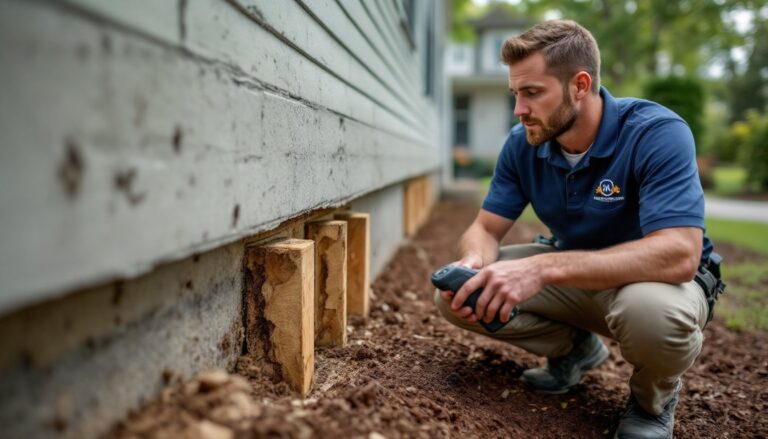
Prevention through exclusion is the most effective long-term approach. Seal cracks and crevices in foundations, walls, doors, and windows to reduce spider entry points. Pay special attention to basement walls, foundation seams, and areas where utilities enter the home. Use caulk for small gaps and expanding foam for larger openings, then finish with paintable sealant.
Install door sweeps on exterior doors and keep screens intact. Many spiders enter through gaps beneath doors or damaged window screens. This single step reduces both spiders and other household pests significantly. It’s also a practical energy-efficiency measure.
Regular cleaning removes webs before spiders establish populations. Vacuuming corners, shelves, and closures once weekly prevents web buildup and removes egg sacs. Damp cloths are effective for wiping down corners and crevices. While this doesn’t eliminate spiders, it discourages them from settling in spaces that are regularly disturbed.
Reduce indoor insect populations, which are spider food sources. This indirect approach addresses the problem at its root. Use sticky traps for flying insects, fix leaky faucets to reduce moisture that attracts pests, and store food in sealed containers. Fewer insects mean fewer reasons for spiders to stay.
If you need active removal, capture-and-release works well. Use a cup and paper to trap the spider against the wall, slide the paper underneath, and release it outside. This approach respects the spider while removing it from your home. For heavy infestations in basements or crawl spaces, a pest control professional can apply targeted treatments in low-traffic areas.
About identification of common house and yard insects, most bites are not medically significant. American house spiders rarely bite, and when they do, reactions are usually mild, minor redness or slight itching. Allergic reactions are uncommon but possible, just as with any insect bite. If a bite swells significantly or doesn’t improve within a few days, seek medical attention. For peace of mind, the Spruce offers comprehensive guidance on household pest management and home maintenance that complements spider management strategies.
Coexistence is often the most practical option for many homeowners. A few house spiders in a basement or garage pose no real threat and actively reduce nuisance insects. Drawing a line between acceptable and unacceptable spider presence, perhaps tolerating them in utility spaces while excluding them from living areas, allows you to benefit from pest control without constant management. For those concerned about spider populations, a guide to the most common house spiders provides detailed identification and management options tailored to each species.
Conclusion
American house spiders are common, generally harmless residents of North American homes. While their webs are unsightly and their presence unwanted in living spaces, they serve a practical purpose by controlling other household insects. Identifying the species in your home, sealing entry points, maintaining regular cleaning routines, and reducing indoor insect populations provide practical, effective management without chemical treatments. Whether you choose to exclude them entirely or tolerate them in less-visible areas, understanding their behavior puts you in control of the situation.