


Table of Contents
ToggleFinding ants marching through your kitchen or crawling across the bathroom counter can ruin your day, and your peace of mind. But before you reach for harsh chemical sprays, consider natural ant removal as your first line of defense. Whether you’re dealing with carpenter ants in the walls, fire ants in the yard, or sugar ants raiding your pantry, there are proven, effective methods to eliminate them without exposing your family to toxic pesticides. This guide walks you through practical natural solutions that work, from diatomaceous earth to kitchen pantry staples, plus prevention strategies that keep ants from coming back.
Key Takeaways
- Natural ant removal methods like diatomaceous earth, vinegar, and essential oils are safer alternatives to chemical pesticides for homes with children and pets.
- Food-grade diatomaceous earth effectively kills ants by damaging their exoskeletons, producing results within 3–7 days when applied along ant trails and entry points.
- Borax-based baits mixed with sugar water are highly effective at eliminating entire colonies by targeting the queen, though they require 1–2 weeks and must be kept away from children and pets.
- Essential oils such as peppermint and lavender repel ants when mixed with water and dish soap, and they also deter other household pests like rodents.
- Long-term prevention requires sealing entry points with caulk, eliminating food sources through proper storage, and addressing moisture problems to keep ants from returning.
- Most household ant infestations resolve within 2–4 weeks using natural methods, making them more cost-effective than professional pest control services.
Why Natural Ant Removal Matters For Your Home
Chemical pesticides kill ants fast, but they come with real downsides. Synthetic insecticides linger on surfaces where kids and pets touch them, and repeated exposure can trigger respiratory issues or allergic reactions. Over time, ant colonies also build resistance to the same chemicals, making them less effective with each application.
Natural ant removal avoids these problems altogether. Methods like diatomaceous earth, vinegar solutions, and essential oils work through physical or sensory mechanisms rather than systemic toxicity. They’re safer for indoor use around food prep areas, won’t accumulate in soil if you use them outdoors, and they’re typically gentler on your home‘s finishes. Most homeowners also appreciate that natural solutions cost significantly less than professional pest control services, often just a few dollars to treat an entire room.
The trade-off? Natural methods usually take a bit longer to work and may require reapplication. But for most household ant problems, the slight delay is worth the safety and cost savings.
Understanding Common Ant Problems Indoors
Before choosing a removal strategy, identify what you’re dealing with. Common household ants include sugar ants (small, attracted to sweets and grease), carpenter ants (larger, nest in wood and can weaken structural framing), and pharaoh ants (tiny, often found in walls and difficult to eliminate). Each type has different nesting habits and food preferences, which affects how you’ll target them.
Look for the ant trails, that’s the key. Ants leave a chemical pheromone track that others follow, so you’ll often see a clear line between the food source and their nest. Indoors, trails typically lead to cracks in baseboards, gaps around windows, or holes where pipes enter the wall. Finding the trail tells you where they’re coming from and where they’re going, which guides your treatment approach.
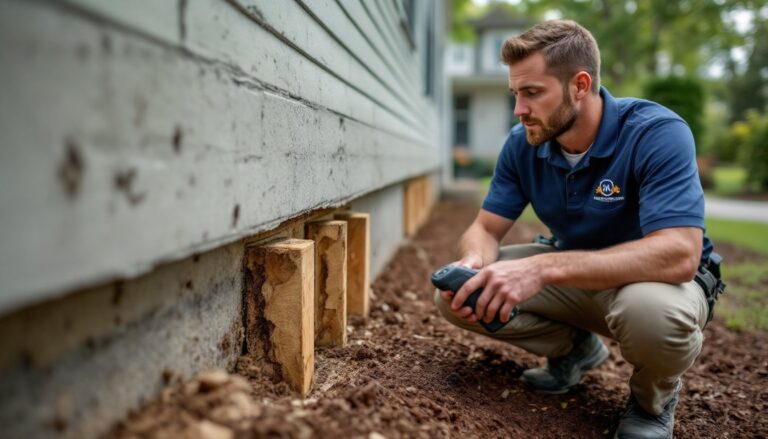
For carpenter ants specifically, watch for fine sawdust (frass) near wood surfaces, a sign they’re actively tunneling. That’s structural damage in progress and warrants more aggressive action or a professional inspection to assess the extent.
Diatomaceous Earth: Nature’s Ant Killer
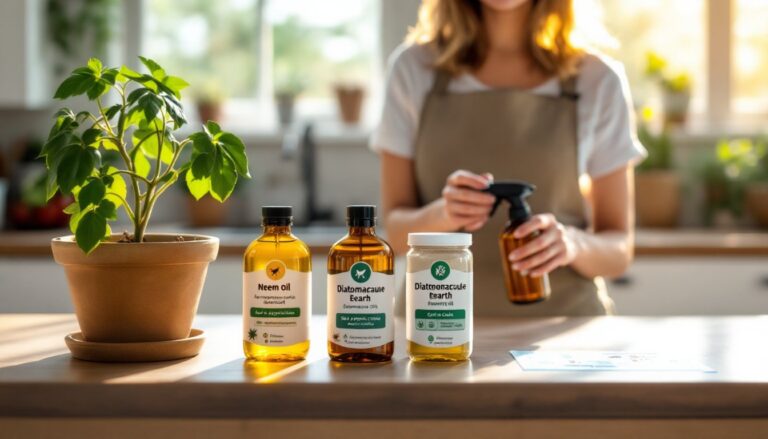
Food-grade diatomaceous earth (DE) is one of the most effective natural insecticides for ants. It’s a powdery substance made from fossilized algae with microscopic sharp edges. When ants crawl through it, these edges damage their exoskeletons, causing them to dehydrate and die. Unlike poisons, they can’t build immunity to physical abrasion.
Here’s how to use it: Dust a thin, even layer along ant trails, around entry points, and along baseboards where you see activity. For indoor use, only apply food-grade DE (never pool-grade, which contains harmful chemicals). Reapply every few days or after vacuuming, as DE loses effectiveness when wet. Wear a dust mask and avoid breathing the powder, while food-grade is non-toxic if swallowed, inhaling fine particles irritates lungs.
Expect results within 3–7 days as the colony is exposed to DE and the population declines. For severe infestations, combine DE with other methods rather than relying on it alone. Outdoor applications work well for yard or perimeter treatment: just reapply after rain since moisture reduces effectiveness.
Kitchen Ingredients That Repel Ants Effectively
Your pantry likely holds several items that naturally repel or kill ants. White vinegar and water mixed 1:1 creates a spray that disrupts the pheromone trail, confusing ants and preventing them from following the path back to the nest. Spray this solution along baseboards, entry points, and directly on visible ant trails. The smell dissipates as it dries, and it’s safe around food-prep areas.
Borax-based baits are highly effective when mixed with sugar water or peanut butter. Ants carry the borax back to the nest where it kills the queen and colony, but this takes patience, typically 1–2 weeks. Mix one part borax with three parts powdered sugar, add enough water to form a paste, and place small amounts on cardboard near ant trails (not on surfaces where food is prepared). Keep borax away from children and pets: it’s toxic if ingested in quantity.
Cinnamon, coffee grounds, and citrus peels are natural repellents that deter ants through strong scent. These work best as preventive barriers around entry points or along known trails, though they’re less effective once an infestation is established. Refresh them weekly for best results. They’re also safe to use in open living areas and around food storage, making them ideal for kitchen-adjacent applications.
Essential Oils And Plant-Based Solutions
Peppermint, lavender, and tea tree essential oils contain compounds that ants actively avoid. Mix 10–15 drops of any of these oils into a spray bottle with water and a teaspoon of dish soap (the soap helps the oil mix with water). Spray around windowsills, door frames, and along baseboards where ants enter. Reapply every few days or after cleaning.
Peppermint oil is particularly potent, ants find it overwhelming and will reroute their trails to avoid it. Lavender works similarly and leaves your home smelling pleasant rather than like vinegar. These oils are also natural bug and insect repellents, so they’ll deter other pests too. For mouse deterrent natural solutions, peppermint and certain essential oils double as rodent repellents, offering broader pest control with a single application.
Other plant-based approaches include coffee (used grounds scattered around problem areas act as both repellent and fertilizer if you’re treating outdoor zones) and mint plants placed near entry points. These are slower-acting than borax or DE but provide continuous, low-level protection. For a mouse deterrent natural approach, plant mint near foundation cracks or storage areas where rodents might enter.
Prevention Tips To Keep Ants Away Long-Term
Once you’ve eliminated the immediate infestation, prevention keeps them from returning. The golden rule: eliminate food sources. Seal food in airtight containers, wipe up crumbs and spills immediately, and don’t leave dirty dishes sitting out. Take trash out regularly and store it in sealed bins, especially sugary or greasy items.
Seal entry points meticulously. Walk around your home’s exterior on a calm day and look for gaps or cracks where ants might enter. Caulk foundation cracks, seal gaps around window frames, and weatherstrip doors. Pay special attention to areas where utilities enter the home (electrical conduits, gas lines, water pipes), these are ant superhighways. Use silicone caulk for flexibility: it lasts longer than acrylic and resists weathering better outdoors.
Address moisture problems. Ants are attracted to damp areas, so fix leaky pipes, ensure gutters drain away from the foundation, and ventilate crawl spaces properly. Outdoors, remove mulch piles near the house perimeter and keep landscaping trim. Store firewood at least 20 feet away from the house, elevated off the ground. These environmental controls, combined with periodic reapplication of natural repellents, create a hostile-enough environment that ants typically move on to easier pickings.
Conclusion
Natural ant removal is effective, affordable, and safer for your household than chemical pesticides. Start with identifying the problem, apply the method best suited to your situation, whether that’s diatomaceous earth, borax baits, or essential oils, and follow through with prevention. Most infestations resolve within 2–4 weeks using these approaches. If you’re dealing with carpenter ants or a severe infestation that doesn’t respond after several weeks, consult a licensed pest professional to rule out structural damage or unusual colony size. With patience and consistency, you’ll reclaim your home from ants without the toxins.