



Table of Contents
ToggleCarpet beetles are among the most stubborn household pests homeowners face, and they can cause real damage to textiles, furniture, and stored goods before you even notice them. These small, colorful insects belong to the Dermestidae family and thrive in the dark corners and undisturbed spaces of your home. Unlike moths that leave visible holes in carpets and clothing, carpet beetles work quietly, their larvae are the destructive force, feeding on natural fibers like wool, silk, and cotton. If you’ve noticed small holes in your carpet, mysterious bare patches in rugs, or tiny bugs crawling on windowsills, you likely have a carpet beetle problem. This guide covers everything you need to know about carpet beetle identification, control, and prevention, so you can protect your home and tackle the issue head-on.
Key Takeaways
- Carpet beetle larvae, not adults, cause the real damage to textiles by feeding silently on natural fibers like wool, silk, and cotton for months before detection.
- Early detection through inspection of small holes in carpets, worn rug patches, and tiny fecal pellets can stop carpet beetle infestations before they spread throughout your home.
- Prevention strategies like weekly vacuuming, storing items in airtight containers, and maintaining cool temperatures below 70°F are more effective and cost-efficient than treating active infestations.
- Food-grade diatomaceous earth and pyrethrin-based insecticides offer effective DIY control options, though hot water washing at 130°F or higher works best for infested linens and clothing.
- Professional pest control services ($150–$500+) become necessary for widespread carpet beetle problems that don’t improve after 3–4 weeks of consistent DIY treatment or involve valuable textiles.
What Are Carpet Beetles and Why Should You Care
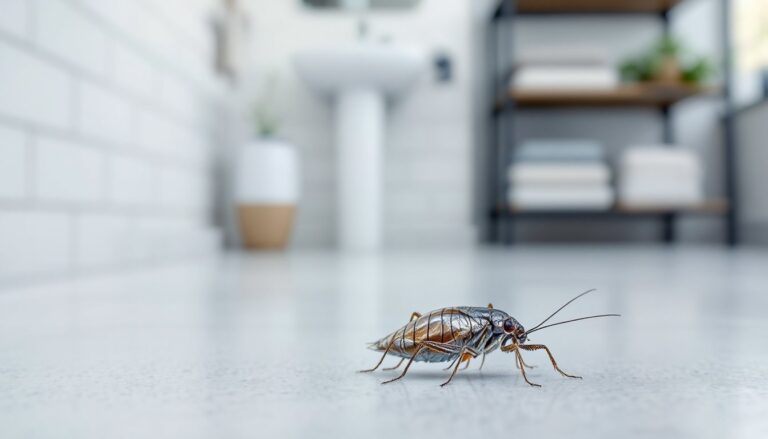
Carpet beetles are small insects, typically ranging from 1/8 to 3/8 inches long, with hardened wing covers (elytra) that give them a beetle-like appearance. Adult carpet beetles come in various colors, some have mottled brown and yellow patterns, while others are solid black. They’re attracted to light and often appear on windowsills in spring and summer when they’re seeking mates.
What makes carpet beetles truly problematic is their lifecycle. Adult females lay eggs in or near fabric, and the larvae that hatch are voracious feeders. These larvae can survive for months eating natural fibers, and their damage is often mistaken for moth damage. The real danger is that by the time you spot an adult carpet beetle, the larvae may already be well-established in your home, munching away at carpets, upholstered furniture, blankets, and even stored clothing.
You should care because carpet beetle damage is costly and often goes undetected until it’s extensive. Unlike some pests that are just a nuisance, these insects actively destroy your belongings and can spread quickly throughout your home if left untreated.
Signs of a Carpet Beetle Infestation
Spotting the early warning signs of a carpet beetle infestation gives you the best chance of stopping damage before it compounds. Look for small, round or oval holes in carpet fibers, particularly in dark, undisturbed areas under furniture. Rugs that suddenly have thin, worn patches, especially along seams or underneath, are a classic indicator.
You might also notice tiny fecal pellets (frass) that look like dark specks of dust near infested areas, or shed skins from larvae as they molt. In severe infestations, you’ll see the insects themselves: small, hard-bodied bugs often clustering on sunny windowsills.
How to Identify Carpet Beetles in Your Home
Positive identification is crucial before you start treatment, because different pests require different solutions. Adult carpet beetles are often confused with carpet bugs (a common term for the same pest), but they’re distinguishable from clothes moths by their hardened wings and rounder body shape.
Use a magnifying glass or your phone’s macro mode to get a closer look. Carpet beetles have a distinct, almost-polished appearance and may have bright spots or patterns on their wing covers. Check underneath furniture, in closet corners, and along baseboards, these are larvae hangouts. If you’re finding carpet beetle larvae, expect them to look like small, fuzzy caterpillars with bands of bristles, typically yellowish-brown or speckled in color.
Prevention Strategies for Carpet Beetle Control
Prevention is your first line of defense and much easier than dealing with an active infestation. Here’s what works:
Vacuuming and Cleaning:
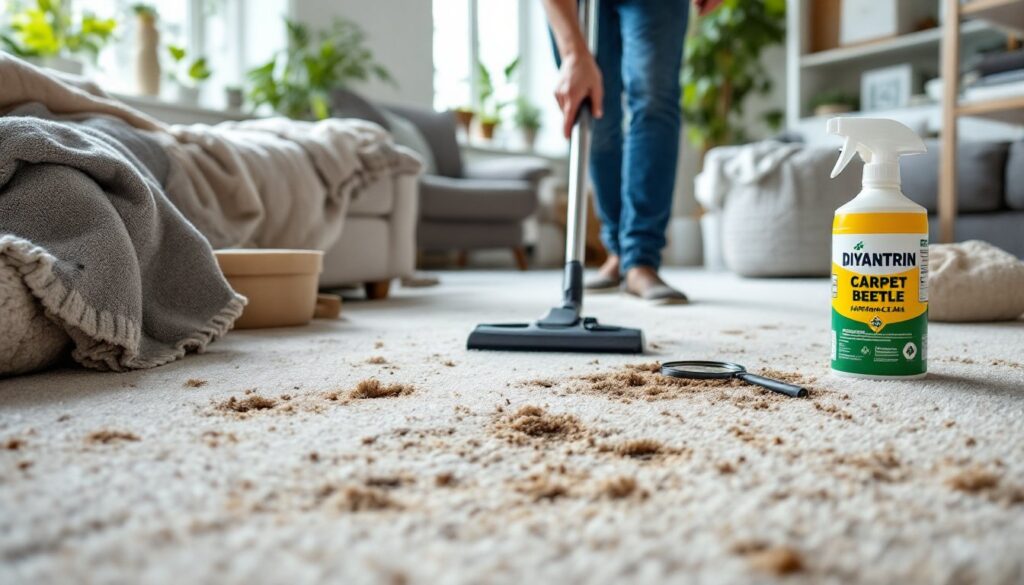
Vacuum carpets, rugs, and upholstered furniture at least weekly, paying special attention to areas under furniture and along baseboards. Don’t forget closets and storage areas. Use a vacuum with a HEPA filter if possible, and dispose of the bag immediately in an outdoor trash can.
Storage Best Practices:
Store off-season clothing and blankets in airtight plastic containers, not cardboard boxes that larvae can chew through. Cedar chips or lavender sachets inside sealed storage can help, though they’re not foolproof on their own. Wash items before storing them, carpet beetles are drawn to soils and body oils on fabric.
Decluttering:
Remove unnecessary textiles from your home. The fewer places pests have to hide and feed, the less likely an infestation takes hold. This is especially true for dark, humid areas like attics and under-stair storage.
Environmental Controls:
Carpet beetles thrive in temperatures above 70°F. Keeping your home cooler when possible, and maintaining low humidity (below 50%), creates an inhospitable environment. Ensure good air circulation and sunlight in living areas, these pests prefer undisturbed darkness.
Sealing Entry Points:
Seal cracks around windows, doors, and baseboards where adult beetles can enter from outside. Check weatherstripping on doors and windows.
DIY Treatment Methods and Natural Remedies
Once you’ve confirmed a carpet beetle infestation, several DIY approaches can help control the problem. None are overnight fixes, but consistent application works.
Vacuuming and Targeted Cleaning:
Start by vacuuming all affected areas thoroughly. Seal and dispose of the vacuum bag outside immediately, this removes many larvae and pupae. Repeat every few days for at least two weeks. Some homeowners follow vacuuming with steam cleaning of carpets: the heat can kill eggs and early-stage larvae, though this works best as part of a broader strategy.
Diatomaceous Earth (Food-Grade):
Food-grade diatomaceous earth is a non-toxic powder that damages the outer shells of insects. Dust it lightly on affected carpets, under furniture, and in closets. Leave it for 24-48 hours, then vacuum thoroughly. Wear a dust mask when applying, inhaling fine powder irritates lungs. You can repeat every week for a month. This method is slow but safe around kids and pets.
Carpet Beetle Insecticide Options:
If natural remedies aren’t cutting it, consider a carpet beetle insecticide. Look for products containing pyrethrin or permethrin (synthetic pyrethroids), which are effective against larvae and adults. Always follow label directions exactly, wear gloves and a mask during application, and keep children and pets away from treated areas until dry. These should be applied to carpets, baseboards, and under furniture. Expect to reapply after 7-10 days to catch newly hatched larvae.
Boric acid-based powders are another option, though they’re less popular today due to toxicity concerns with repeated exposure. If you go this route, be extremely careful around pets and children.
Hot Water Washing:
Wash affected linens, blankets, and clothing in hot water (130°F or higher) to kill all life stages. This works well for items you can safely machine wash and dry on high heat.
When to Call a Professional Pest Control Service
Sometimes DIY methods aren’t enough, and that’s when a professional pest control service makes sense. Call in reinforcements if:
- Your infestation is widespread across multiple rooms or areas of your home.
- You’ve tried DIY methods consistently for 3-4 weeks with no improvement.
- You’re uncomfortable handling insecticides or have concerns about safety with pets or young children.
- You have valuable antique textiles, heirloom rugs, or delicate furnishings that you don’t want to risk with chemicals.
Professionals have access to stronger insecticides and specialized application equipment that DIYers don’t. They can also identify hidden infestations in wall voids, attics, or other hard-to-reach spots. Most pest control companies offer a warranty on their work, so if beetles return within a set period, they’ll retreat at no charge.
Expect to pay $150–$500+ for a professional treatment, depending on your home’s size and infestation severity. Some companies bundle carpet beetle treatment with broader pest control plans, which can be cost-effective if you’re dealing with multiple household pests.
Conclusion
Carpet beetle control requires patience and consistency, whether you’re using natural remedies, insecticides, or professional services. Start with prevention, vacuuming, proper storage, and decluttering, and escalate to treatment only if needed. Identify the problem early using the signs covered here, stay alert for returning activity, and don’t hesitate to call a pro if the problem persists. Your textiles and peace of mind are worth the effort.