


Table of Contents
ToggleStink bugs aren’t just a mild annoyance, they’re persistent invaders that breed rapidly and leave a trail of damage on crops, gardens, and houseplants. If you’ve spotted one of these shield-shaped insects in your home or caught a whiff of that distinctive smell when you crushed one, you’re already dealing with stink bug pest control. Unlike some seasonal nuisances, stink bugs settle in for the winter, clustering in attics, wall voids, and crawl spaces by the dozens. The good news? With the right approach, from identification to elimination to prevention, you can reclaim your home without calling in the pros. This guide walks you through everything you need to know about stink bug pest control, including practical methods for removal and strategies to keep them from returning.
Key Takeaways
- Stink bug pest control is most effective when started in September or October, before bugs seek shelter indoors for winter.
- Non-toxic methods like vacuuming, soapy water traps, and sticky traps work best when combined together rather than used individually.
- Seal home entry points larger than 1/4 inch around windows, doors, and utilities before fall to prevent stink bugs from invading.
- Never crush stink bugs indoors, as the pungent odor attracts more bugs—instead use vacuums, manual removal, or traps.
- Professional pest control is worth the investment for large infestations in hard-to-reach areas like wall cavities or attics.
What You Need to Know About Stink Bugs
Identification, Habitat, and Life Cycle
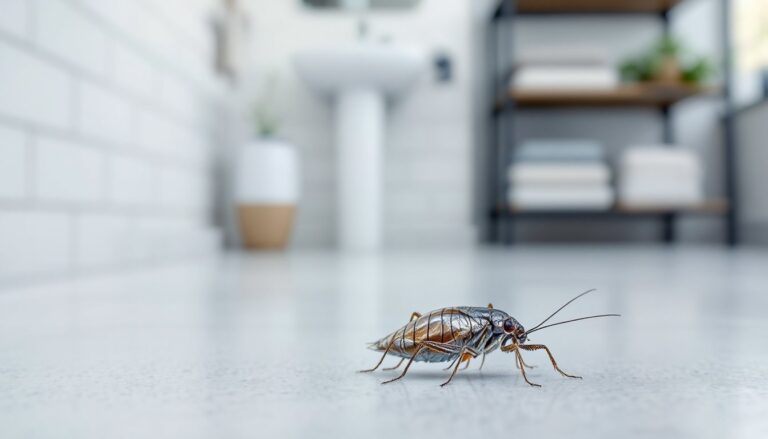
The brown marmorated stink bug (BMBS) is the species you’ll most likely encounter in North America. Adults are roughly 0.5 to 0.67 inches long, shield-shaped, and range from mottled brown to dark gray. A quick ID check: look for banded antennae (striped bands on each segment) and a tan or light-colored underside, features that separate them from other shield bugs.
Stink bugs thrive in temperate climates and aren’t picky about habitat. During warm months (spring through early fall), they’re outdoors feeding on plants, fruits, and vegetables. As temperatures drop in October and November, they seek warm shelter indoors, walls, attics, and crawl spaces are prime real estate. This is when you’re most likely to encounter them inside your home. A single female can lay up to 30 eggs at a time, and multiple generations occur each year, meaning a few bugs in October can become dozens by winter.
They release that infamously pungent odor when threatened or crushed, which isn’t just unpleasant, it’s also a chemical signal that attracts other stink bugs to the area. Crushing them can actually make your problem worse.
Why Stink Bugs Invade Your Home
Stink bugs aren’t seeking confrontation: they’re hunting for survival. As outdoor temperatures drop, they instinctively search for overwinter sites, places that stay warm enough to keep them alive through cold months. Your home, with its steady indoor temperatures, looks like an ideal hibernation spot.
They exploit small entry points: cracks around window frames, gaps where siding meets roofing, torn screens, and poorly sealed door frames. Attics and wall cavities are particularly attractive because they provide darkness, insulation, and safety from predators. The odor pheromones released by the first few bugs to find shelter act as a chemical welcome sign, bringing more stink bugs to cluster in the same spots. Once you’ve got an established group overwintering in your walls, early spring warmth triggers them to become active again, and many mistakenly move toward interior living spaces instead of heading back outside. That’s why you might see them crawling across your ceiling in February or March. Addressing stink bug pest control early, before they’re deeply entrenched, saves you from managing large populations in spring.
Non-Toxic Methods to Get Rid of Stink Bugs
Vacuuming is the simplest first step. Use a handheld or shop vac to suck up visible stink bugs. Immediately remove the bag or empty the canister into a sealed outdoor garbage bin: don’t crush them inside the vacuum or your home will smell awful. This method works well for small populations.
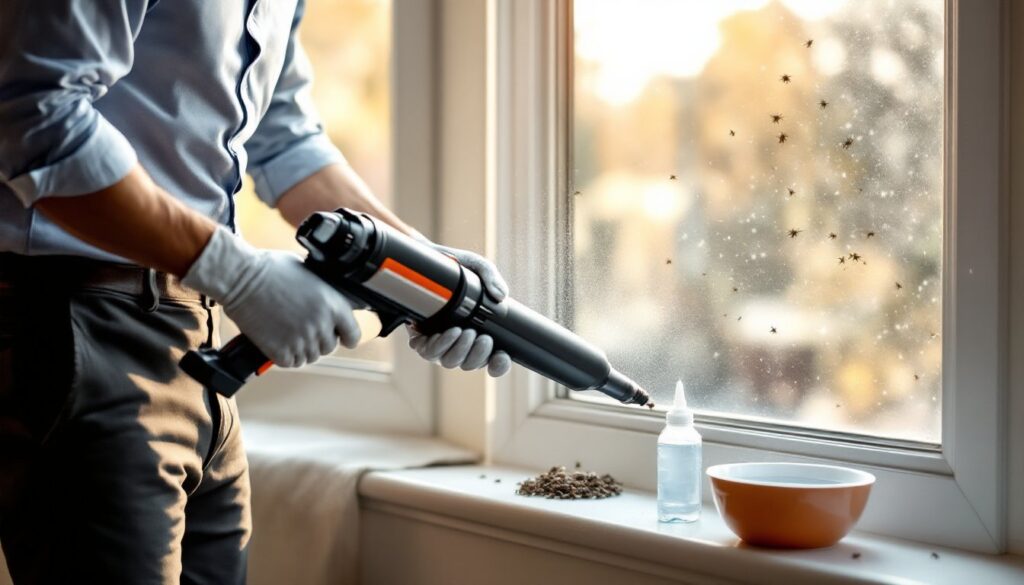
Soapy water traps are surprisingly effective. Fill shallow bowls with warm soapy water and place them near light sources or windows where stink bugs congregate. Stink bugs are attracted to light, so a desk lamp nearby increases catches. They’ll fall in and drown. Replace water daily and dispose of dead bugs in an outdoor trash can.
Sticky traps designed for other insects (like those used for fruit flies) can catch stink bugs if positioned along window sills or in corners where you’ve spotted activity. While less effective than soapy water, they’re a low-effort option for ongoing monitoring.
Manual removal works too: grab a stink bug with a paper towel, seal it in a plastic bag, and dispose of it outside or in a sealed outdoor container. Avoid crushing, which releases the odor. Wear gloves if handling makes you squeamish.
For infestations in wall voids or attics, consider deploying pheromone traps specifically designed for brown marmorated stink bugs. These lure males to a sticky trap and can help reduce populations if used consistently throughout fall. Research from university extension services shows non-toxic methods work best as a combined approach, vacuuming, soapy water, and sticky traps used together catch more bugs than any single method alone.
Chemical Control and Professional Treatment Options
If non-toxic methods aren’t controlling your infestation, insecticidal sprays become necessary. For interior use, look for EPA-approved products labeled for stink bugs with active ingredients like pyrethrin (a botanical insecticide) or synthetic pyrethroids. Always follow label directions exactly: wear gloves and eye protection, spray in a well-ventilated area or outdoors, and never spray near food preparation areas.
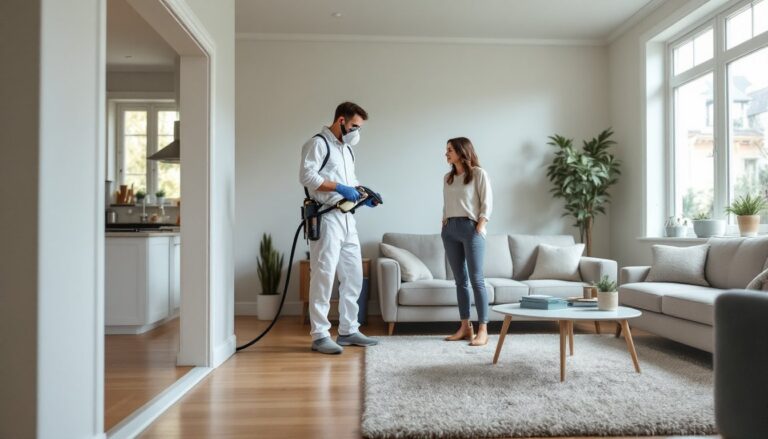
For larger infestations or areas you can’t easily access (like wall cavities), professional pest control is your best bet. Professionals apply residual insecticides around foundation perimeters, in attics, and along entry points before stink bugs settle in for winter. They also use fumigation or heat treatment in severe cases, though these are more expensive. If you’re dealing with dozens of stink bugs emerging from walls in spring, professional treatment is worth the investment.
Alternatively, some homeowners report success with diatomaceous earth (food-grade only) applied lightly in attics and crawl spaces. DE damages the insects’ exoskeletons and causes dehydration, but it only works if applied to areas where bugs travel. Wear a dust mask when applying.
One effective commercial option is pest control services that specialize in seasonal infestations, they often offer preventative treatments in fall before stink bugs seek shelter. Check if local providers offer this service.
Prevention Strategies to Keep Stink Bugs Out
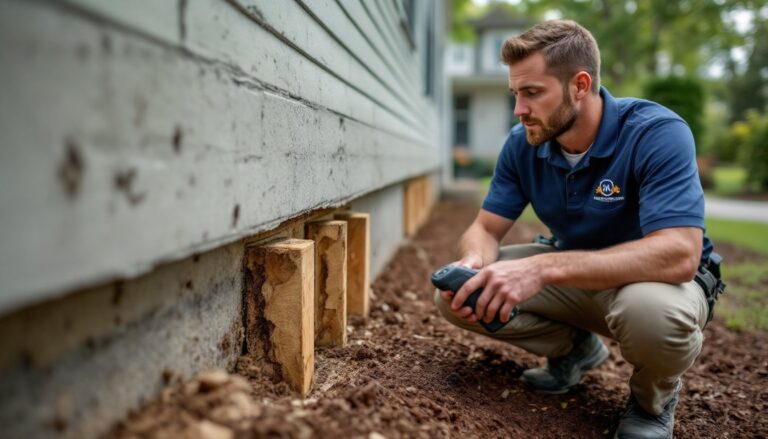
Seal entry points before fall. Walk your home’s exterior in September and look for gaps larger than 1/4 inch. Caulk cracks around window frames and door jambs with silicone caulk (paintable silicone stays flexible better than acrylic). Replace damaged weatherstripping and screens, tears are an open invitation. Pay special attention to where utilities enter your home (pipes, cables, vents): these are common stink bug highways.
Remove outdoor attractants. Stink bugs feed on vegetables, fruits, and ornamental plants. Harvest garden produce promptly, bring potted plants inside before frost, and clean up fallen fruit under trees. This reduces the food source that brings them near your home in the first place.
Install exclusion barriers. Before fall, install 1/2-inch hardware cloth over attic vents, soffit vents, and dryer vents. This allows airflow while blocking insect entry. Also seal gaps between siding and foundation with expanding foam or caulk.
Use preventative perimeter treatments. Apply exterior insecticides (or hire a professional) around your home’s foundation and along entry points in late September or early October, before stink bugs seek shelter. This creates a barrier that kills bugs before they reach your door. Repeat every 2-3 weeks if weather washes it away or if you continue seeing activity.
Manage lighting. Stink bugs are attracted to outdoor lights. If possible, switch exterior lighting to yellow “bug lights” (sodium vapor bulbs) or reduce the number of outdoor lights in fall. Motion-sensor lights are also less attractive than constant illumination.
Related considerations: If you’re also dealing with earwig pest control or natural bug and insect repellents, many of these same sealing and prevention tactics apply. Also, resources from The Spruce provide comprehensive guidance on securing your home’s exterior year-round, while Good Housekeeping reviews pest control products that homeowners trust. Some outdoor pest control strategies, particularly landscaping management, prevent multiple pest types simultaneously.
Conclusion
Stink bug pest control requires patience and a multi-layered approach. Start with non-toxic methods in small infestations, escalate to chemical or professional solutions if needed, and prioritize sealing your home’s exterior before fall arrives. Early intervention, catching the problem in September or October, is far easier than managing an entrenched population in spring. Don’t hesitate to call a licensed pest professional if infestation overwhelms your DIY efforts.