


Table of Contents
ToggleFleas are tiny, fast, and astonishingly stubborn. A single female can lay up to 50 eggs a day, which means a minor itch on the family dog can snowball into a full-blown infestation in under two weeks. The good news? A solid household flea treatment plan doesn’t require an exterminator’s truck in the driveway. With the right tools, a methodical approach, and a little patience, most homeowners can knock out fleas in one to three weeks. Here’s exactly how to do it in 2026.
Key Takeaways
- Household flea treatment requires a multi-stage approach attacking eggs, larvae, pupae, and adults simultaneously—single-product solutions rarely succeed.
- Daily vacuuming for two weeks removes up to 60% of flea eggs and 30% of larvae, making it one of the most cost-effective steps in flea control.
- Treating pets, yards, and indoor spaces within a 48-hour window is critical; skipping any one area allows fleas to quickly re-infest your home.
- Combining insect growth regulators (IGRs) with adulticide sprays and steam cleaning (150°F+) kills fleas at all life stages faster than foggers or single treatments.
- Year-round preventative medications for pets and consistent yard maintenance with 2.5–3 inch grass height significantly reduce the risk of future infestations.
- Most homeowners can resolve a household flea treatment in one to three weeks without professional exterminators by following a methodical prep-and-treat protocol.
How to Spot a Flea Infestation in Your Home
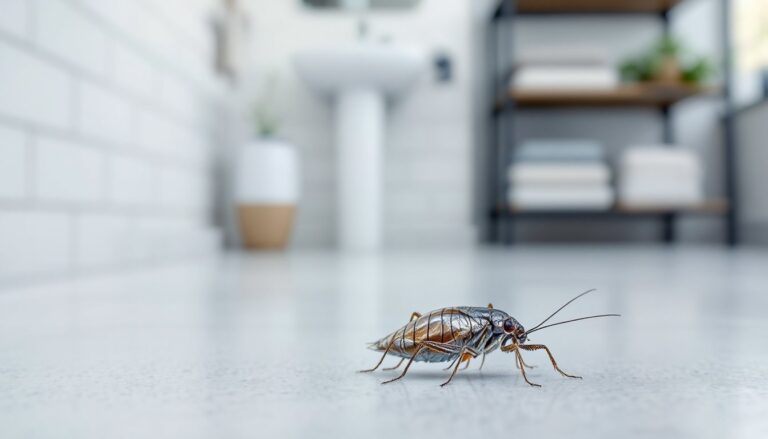
Before treating anything, confirm what’s actually crawling around. Fleas are about 1/8-inch long, dark reddish-brown, and built for jumping (they can clear 13 inches in a single hop).
Look for these telltale signs:
- Flea dirt: tiny black specks on pet bedding that turn rusty-red when dabbed with a wet paper towel.
- Pets scratching, biting, or chewing at the base of the tail and behind the ears.
- Small, itchy red bites on human ankles and lower legs.
- White-sock test: walk slowly across the carpet in tall white socks. Fleas will jump aboard and show up clearly.
A good visual primer on identifying flea activity can help homeowners distinguish fleas from carpet beetles or bed bugs, which require a completely different protocol (and the cost of bed bug treatment runs far higher, often $300–$1,500 per room).
Preparing Your Home Before Treatment
Prep work makes or breaks flea treatment. Skipping it is the number-one reason DIYers end up repeating the whole process a month later.
Materials checklist:
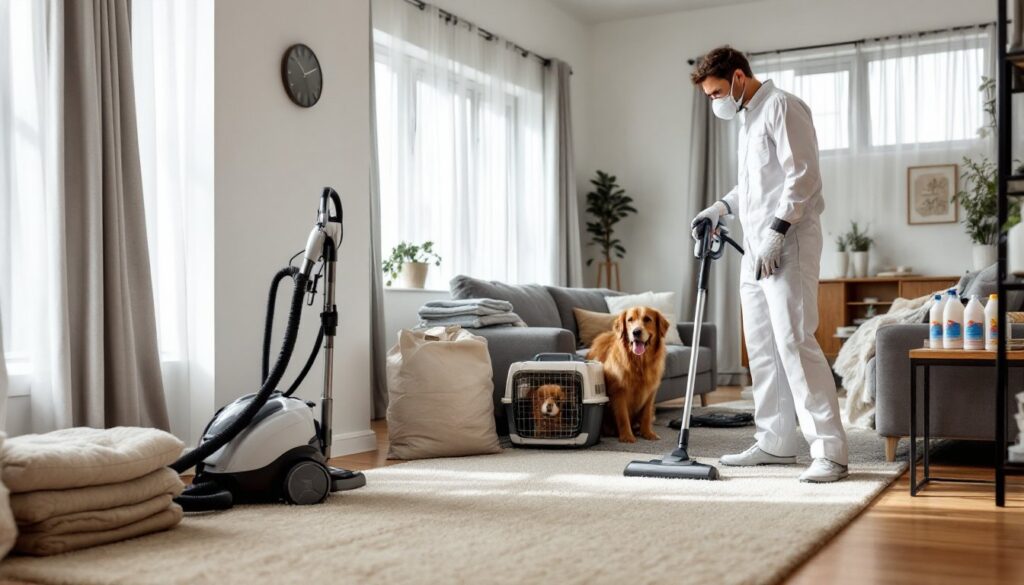
- Heavy-duty vacuum with a sealed bag or HEPA filter
- Garbage bags (contractor-grade, 3 mil)
- Hot-water-safe laundry bags
- Disposable gloves and an N95 mask
- Pet carrier or boarding plan for treatment day
Clear the floors. Pick up toys, shoes, rugs, and anything stored under beds or couches. Move furniture a few inches away from walls so baseboards are accessible. Wash all pet bedding, throw blankets, and removable couch covers in hot water (at least 140°F) to kill eggs and larvae.
Finally, vacuum every soft surface before applying any treatment. This wakes dormant pupae, the life stage most resistant to insecticides.
Step-by-Step Indoor Flea Treatment Methods
Effective household pest control for fleas attacks all four life stages: egg, larva, pupa, and adult. A single-product approach almost never works. Layered methods do.
Vacuuming, Steam Cleaning, and Laundry Essentials
Vacuuming alone removes up to 30% of larvae and 60% of eggs from carpet fibers. Do it daily for at least two weeks.
- Vacuum carpets, rugs, upholstery, and along baseboards using the crevice tool.
- Empty the canister (or seal the bag) into a contractor bag and take it straight to the outdoor bin.
- Run a steam cleaner at 150°F or higher over carpets and upholstery. Heat and moisture kill all life stages on contact.
- Launder bedding and washable curtains weekly until the infestation clears.
A hardwood-floor home isn’t off the hook, either. Fleas love the gaps between planks, so vacuum with a hard-floor attachment and mop with hot water.
Choosing Between Sprays, Foggers, and Natural Remedies
Each option has a place. The trick is matching the product to the room and the severity.
- IGR sprays (insect growth regulators) containing methoprene or pyriproxyfen stop eggs and larvae from maturing. Best for carpets, pet zones, and baseboards.
- Adulticide sprays with permethrin or etofenprox kill adults fast but don’t touch eggs. Pair them with an IGR.
- Foggers (“bombs”) cover large open spaces but miss the dark cracks where fleas actually live. Use sparingly and never as a sole treatment.
- Natural remedies like food-grade diatomaceous earth work mechanically by drying out fleas. Sprinkle a thin layer on carpets, leave 24–48 hours, then vacuum. Wear a mask, as the dust irritates lungs.
For a deeper comparison of indoor chemical and mechanical options, this breakdown of indoor flea treatments lays out the trade-offs clearly. Homeowners weighing professional help against DIY can also check the flea pest control cost breakdown before committing.
Treating Yards, Pets, and Hidden Hotspots
Indoor treatment fails if the yard and pets keep restocking the population. Hit all three fronts within the same 48-hour window.
Yards: Focus on shaded, moist areas, under decks, along fence lines, and beneath shrubs. Fleas hate direct sun. A granular mosquito treatment for yard use that contains bifenthrin often doubles as a flea control product: read the label to confirm. Mow first, then apply with a broadcast spreader and water in lightly.
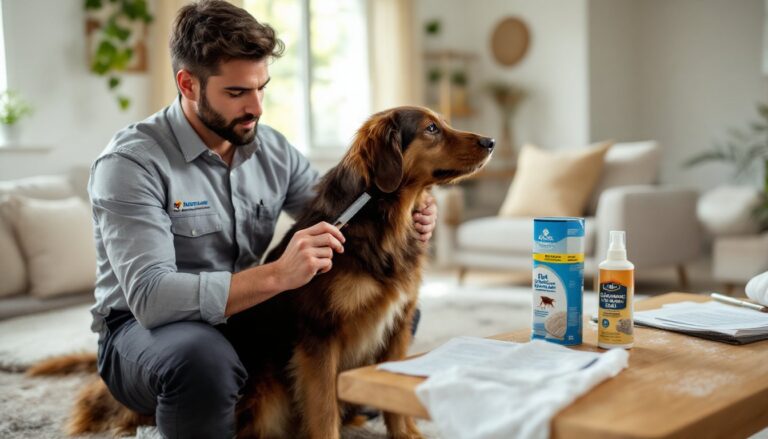
Pets: Schedule a vet-recommended oral or topical treatment (Bravecto, NexGard, or Frontline are common 2026 staples). Bathing with a mild dish soap can kill adult fleas on contact, but it won’t provide residual protection.
Hidden hotspots: Don’t forget the car if pets ride along, finished basements, crawl spaces, and the laundry room behind the dryer. Lint and pet hair collect there, and so do flea eggs. Quick decluttering routines from sources like Real Simple’s cleaning guides can help homeowners stay on top of the dust-bunny zones fleas love.
Preventing Future Flea Infestations Year-Round
Eradication is half the battle. Prevention keeps fleas from coming back next spring.
- Keep pets on a year-round preventative, not just during warm months. Indoor heating creates a perfect breeding climate in winter.
- Vacuum high-traffic areas twice a week and pet zones daily during peak season (May–October in most US regions).
- Maintain a 2-foot “flea-free zone” around the home by trimming grass to 2.5–3 inches, raking leaf litter, and keeping woodpiles off the ground.
- Inspect secondhand furniture and rugs before bringing them inside. A flashlight along the seams takes 30 seconds and saves weeks of regret.
- Wash pet bedding every two weeks in hot water as a standing habit.
For multi-pet households or homes with a history of repeated infestations, consider scheduling a professional perimeter spray once or twice a year. It costs less than re-treating the entire interior.