


Table of Contents
ToggleFleas in your home are more than just a nuisance, they’re a persistent problem that multiplies quickly if left unchecked. A single flea can lay dozens of eggs daily, turning a minor infestation into a full-blown crisis in weeks. Whether your pets brought them inside or they hitched a ride on wildlife, flea treatment for your house demands a multi-pronged approach that tackles adults, larvae, and eggs simultaneously. This guide walks you through practical, proven methods to eliminate fleas from your home and keep them from coming back, with both chemical and natural options depending on your comfort level and household needs.
Key Takeaways
- Effective flea treatment for your house requires a multi-pronged approach targeting adults, larvae, and eggs simultaneously, as a single flea can lay dozens of eggs daily.
- Vacuuming thoroughly can reduce flea populations by 30–50% on its own when focusing on pet areas, baseboards, and under furniture, and should be repeated daily for two weeks then 2–3 times weekly.
- Heat is critical for killing all flea lifecycle stages—wash pet bedding in at least 130°F water and dry on high heat, as cold water won’t eliminate infestations.
- Professional pest control ($150–$500 per treatment) is worth considering for severe infestations and often solves problems faster than DIY chemical treatments.
- Keep pets on year-round veterinary flea preventatives like topical or oral medications, as pets are the most common entry point for fleas returning to your home.
- Prevention through weekly vacuuming, regular pet grooming, and sealing wildlife entry points costs less in time and money than fighting a recurring flea crisis.
Understanding Your Flea Problem
Before you start spraying or vacuuming, identify what you’re actually dealing with. Fleas thrive in warm, dark places, carpets, pet bedding, furniture crevices, and under baseboards are their favorite hideouts. They can survive indoors year-round because your heating maintains their ideal 65–80°F temperature range.
Identifying Signs of Infestation
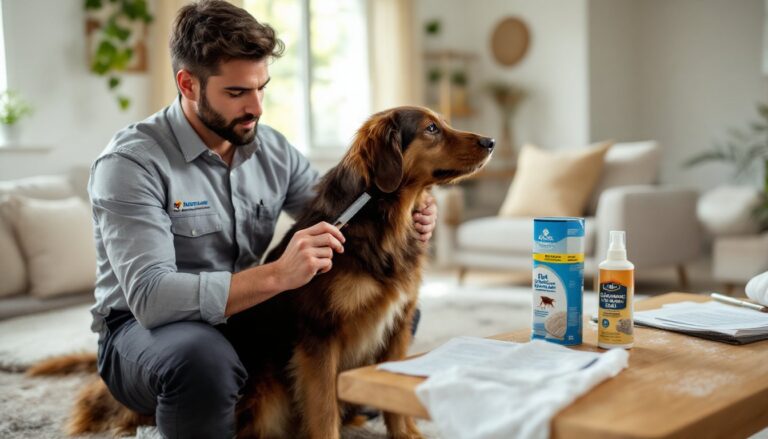
Look for these telltale signs: small dark specks (flea feces) on pet fur or bedding, pets scratching excessively, or red bite marks on your ankles and legs. If you’re unsure whether you’re seeing fleas or just dirt, grab a damp paper towel and swipe through pet fur. Flea dirt turns red on the towel because it’s mostly blood. You may also notice small, jumping insects (adults are 1–3mm long) on light-colored fabrics. Check pet bedding, rugs, and the edges of furniture where animals rest. If you spot even a few fleas, assume you have an infestation in multiple life stages, eggs, larvae, pupae, and adults, hidden throughout your home. This is why thorough treatment takes patience: you’re fighting a lifecycle, not just the visible bugs.
Chemical Treatments and Professional Solutions
Over-the-counter sprays and foggers get results, but they work best as part of a complete strategy, not alone. Flea sprays (like pyrethroids or pyrethrins) kill adults on contact but don’t always penetrate deep into carpets or kill eggs. Premise sprays, applied around baseboards and under furniture, offer longer residual protection (7–14 days). Read labels carefully: some aren’t safe around pets until they dry, and ventilation requirements vary.
Flea foggers release insecticide into the air to reach hidden areas. They’re effective but require you to leave your home for several hours, cover aquariums and food prep surfaces, and follow safety instructions precisely. One application rarely solves the problem: most severe infestations need two treatments 7–10 days apart to catch newly hatched adults.
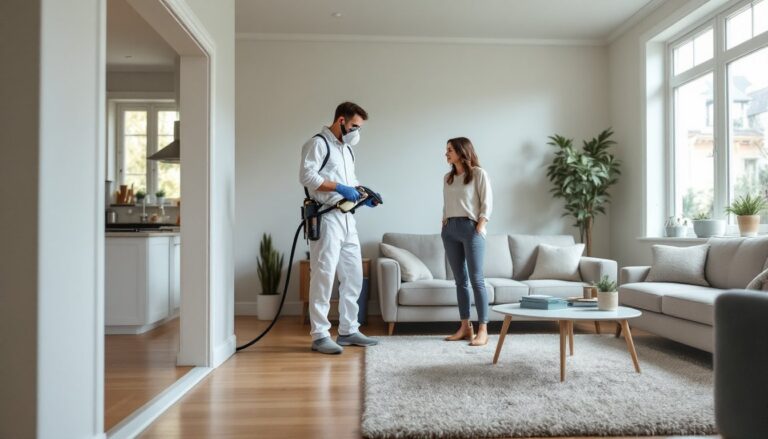
If you’re overwhelmed or have a severe infestation, professional pest control isn’t overkill. Exterminators use stronger materials, heat treatments, or targeted applications that cost more upfront but often solve the problem faster, typically $150–$500 per treatment depending on home size. The flea pest control cost varies widely by region and infestation severity, so get quotes from 2–3 local services. Always disclose if you have pets: professionals adjust their chemical choices accordingly.
Natural and Non-Toxic Flea Control Methods
If you prefer to avoid synthetic chemicals, especially with young children or pets with sensitivities, natural options work, though they usually take longer and require more frequent reapplication.
Diatomaceous earth (DE) is a powdery mineral that damages fleas’ exoskeletons, causing dehydration. Food-grade DE is safe around pets and kids. Dust it lightly on carpets, under furniture, and around baseboards, let it sit 12–24 hours, then vacuum thoroughly. Repeat weekly for 3 weeks to hit multiple generations. The downside: it’s messy, doesn’t work on wet surfaces, and must contact fleas directly to be effective.
Salt works similarly to DE but is less effective outdoors. Sprinkle it on carpets, let sit overnight, and vacuum. Essential oils like cedarwood, lavender, and lemongrass can repel fleas but don’t kill them reliably. Some people mix them into sprays (a few drops per cup of water), but effectiveness varies, and strong oils can irritate pets’ skin.
Baking soda and vinegar mixtures are often touted online but lack strong evidence. They may help reduce odor and slightly repel fleas but won’t eliminate an infestation alone. Natural methods work best as prevention or for mild cases, combined with rigorous cleaning and pet treatment.
Preparing and Treating Indoor Spaces
Flea treatment for your house depends heavily on prep work and follow-through. Your goal is to remove organic matter (pet hair, skin flakes, food debris) where fleas hide and breed, then apply treatments to all affected areas simultaneously.
Deep Cleaning and Vacuuming Techniques
Start by decluttering, remove excess blankets, pillows, stuffed animals, and fabric piles where fleas congregate. Wash all pet bedding, blankets, and cushion covers in hot water (at least 130°F) and dry on high heat. Heat kills all flea lifecycle stages: cold water won’t.
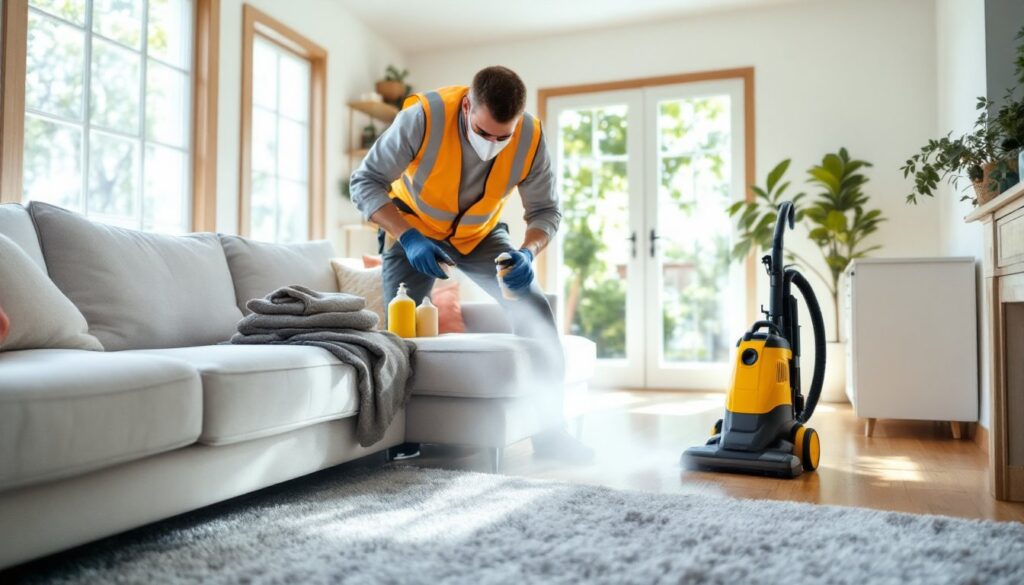
Vacuum thoroughly, and this is critical: focus on areas pets frequent, under beds, along baseboards, under furniture, and in closet corners. Use firm, overlapping strokes. Don’t rush. A thorough single pass beats five quick ones. According to detailed flea elimination guides, vacuuming reduces flea populations by 30–50% on its own by removing eggs and larvae. Vacuum daily for the first two weeks, then 2–3 times weekly for a month. After each session, seal the vacuum bag or empty the canister into a sealed garbage bag and throw it out, fleas can escape and reinfest.
After vacuuming, apply your chosen treatment: spray baseboards and under furniture edges where fleas hide, or dust with diatomaceous earth. Focus on dark, undisturbed areas. Wipe down hard surfaces like tile and wood with a damp cloth to remove flea dirt. Steam-clean carpets if you have them, heat above 130°F kills all stages, or use a carpet steamer with water alone: the moisture and agitation lift debris. Repeat this entire cycle weekly for 3–4 weeks to disrupt the flea lifecycle at every stage.
Prevention Strategies for Long-Term Protection
Once you’ve cleared the infestation, preventing a return is far easier than treating an active problem. Consistency here saves months of headaches and expense.
Keep pets on year-round flea preventatives, oral medications like spinosad or topical treatments from your vet are the gold standard. They’re more reliable than natural alternatives and prevent infestation from the source. Pets are the most common reentry point for fleas, so if your pet isn’t protected, you’re fighting an uphill battle.
Vacuum carpets and rugs at least weekly, even when flea-free. This removes dust, skin cells, and any stray flea eggs before they hatch. Don’t skip this step during winter: indoor heating keeps fleas viable year-round. Wash pet bedding weekly in hot water. Groom pets regularly to catch fleas early.
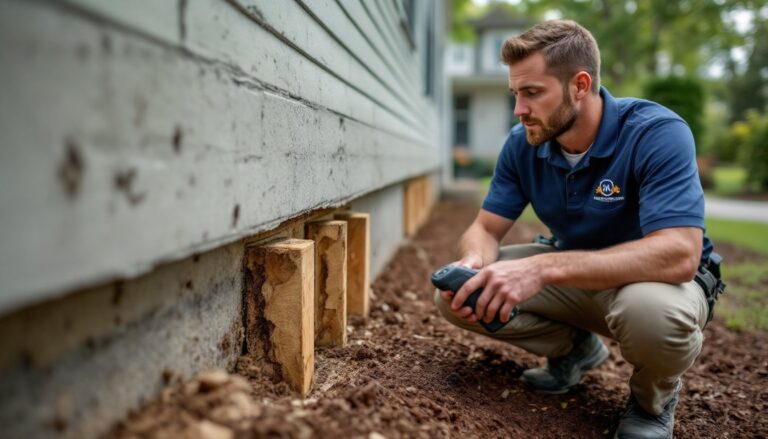
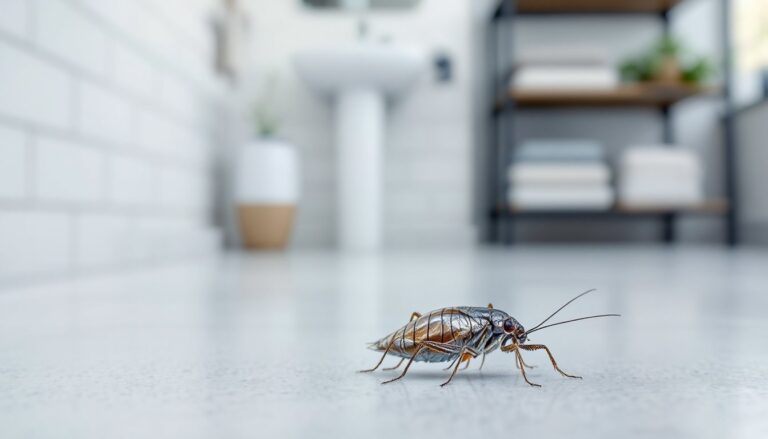
Address wildlife entry points: seal gaps around utility lines, vents, and siding where raccoons or opossums (common flea carriers) might nest. Trim vegetation away from your home’s exterior, tall grass and brush are outdoor flea reservoirs. If you suspect silverfish in house or other household pests creating entry pathways, seal cracks and gaps around baseboards, pipes, and window frames with caulk.
During warmer months, monitor closely. Home cleaning tips from trusted sources emphasize that maintaining a clean home environment naturally discourages pests of all kinds. Consider periodic deep cleaning, moving furniture, vacuuming underneath, and wiping down baseboards, even after the infestation clears. Staying proactive costs you time, not money, and keeps fleas from ever becoming a crisis again.