




Table of Contents
ToggleDiscovering termites inside your house ranks right up there with finding rot or mold, it’s a homeowner’s worst nightmare, and for good reason. These wood-eating insects can silently destroy structural integrity, eating away at joists, studs, and subflooring before you even notice the damage. Unlike the occasional spider or flea in your house, termite colonies work 24/7, chewing through wood and cellulose materials with relentless efficiency. The good news? You can catch them early, stop them in their tracks, and protect your investment with the right knowledge and action plan. This guide walks you through spotting the signs, understanding why termites invade, and choosing between DIY treatments and professional help.
Key Takeaways
- Identifying termites inside house early—through mud tubes, hollow wood, and swarmers—is critical to preventing structural damage that can cost thousands of dollars in repairs.
- Subterranean termites require soil contact and moisture to survive, making crawlspaces, basements, and areas with poor drainage prime entry points.
- Small infestations caught early can be treated with DIY bait systems (2–6 weeks) or liquid barriers, but structural colonies require professional pest control services costing $1,200–$3,500.
- Prevention strategies like eliminating wood-to-soil contact, fixing leaking gutters, and sealing foundation cracks are more cost-effective than treating active infestations.
- Annual inspections using a flashlight and moisture meter in crawlspaces and foundations help catch termite colonies before significant damage occurs.
- Professional treatments often include perimeter liquid barriers or bait station networks, typically backed by 1–5 year warranties and structural assessments.
Signs You Have Termites in Your Home
Visual Indicators and Physical Damage
Termites leave unmistakable clues if you know where to look. The most obvious sign is mud tubes, pencil-thin, dirt-colored tunnels that termites build along foundation walls, crawlspace beams, and concrete piers. These tubes protect workers from drying out as they travel between the soil and your wood. Break one open: if it’s active, you’ll see pale, cream-colored workers inside.
Wood damage appears as hollowed-out sections, often with a honeycomb pattern. Unlike carpenter ants, which leave sawdust (frass) outside their galleries, termites pack frass back into tunnels, so damage often looks clean and unobstructed inside. Tap suspected wood with a screwdriver or awl: compromised sections sound hollow and the tool penetrates easily.
Swarmers, winged termites, indicate a mature colony. You might spot them in spring or after heavy rain, clustering near windows, porch lights, or foundation vents. Finding discarded wings (shed during mating flights) on windowsills is a red flag.
Other signs include blistered paint, sagging floors, stuck doors and windows, and a musty odor in affected areas. Don’t dismiss these small warnings: catch termites early and you’re looking at localized treatment. Ignore them for a year, and structural repair costs can easily hit five figures.
Why Termites Enter Homes and Where They Hide
Termites don’t invade for fun, they’re seeking three things: wood, moisture, and shelter. Your house provides all three. Subterranean termites, the most common species in North America, live in soil and need constant contact with it or moisture to survive: they’re drawn to crawlspaces, basements, and foundation areas. Drywood termites, less common but more destructive per colony, can thrive in attics and upper-story wood without soil contact.
Entry points include cracks in concrete foundations, gaps where utility lines penetrate walls, wood-to-soil contact (like untreated deck posts sitting directly on earth), and gutter overflow that saturates soil near footings. Termites may also hide inside existing wooden structures, wall cavities, joist bays, and rim board spaces are prime real estate. Once inside, they work within the wood, making them nearly invisible until damage becomes severe.
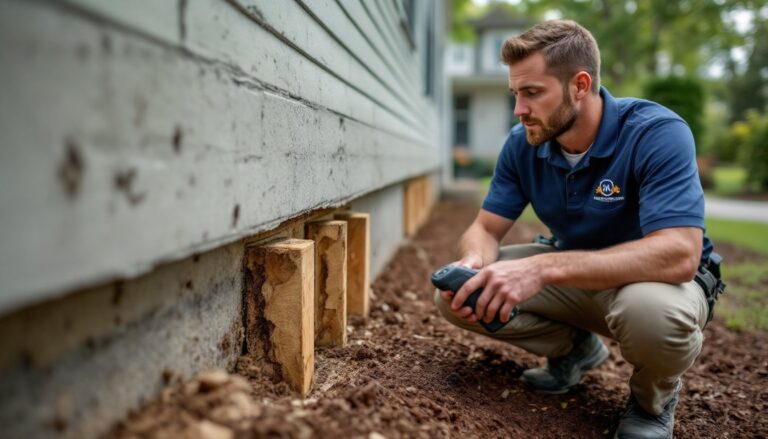
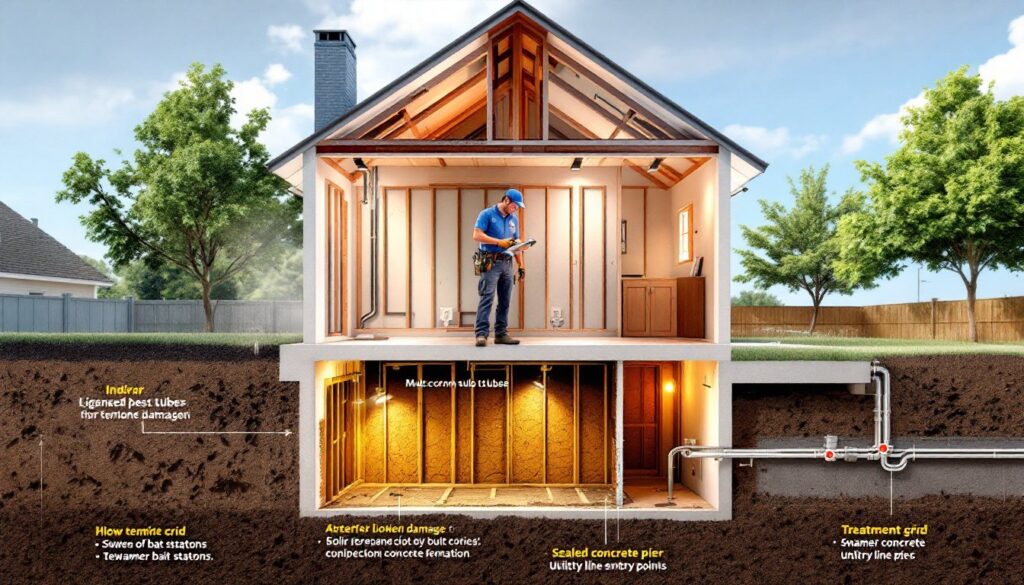
Common termite entry points and signs of infestation show that foundation vents, damaged siding, and untreated wood materials are frequent vulnerabilities. Regular inspection of crawlspaces, basements, and foundation perimeters, using a flashlight and moisture meter, can catch colonies before they inflict serious damage.
DIY Methods to Get Rid of Termites
If you’ve caught a small infestation early, several DIY approaches can work, though expectations matter. Termite baiting systems like Sentricon or Advance use slow-acting active ingredients (hexaflumuron) that workers carry back to the colony, gradually eliminating it. These work best for subterranean termites and require patience, kill times range from 2 to 6 weeks. Install bait stations in a grid pattern around the foundation, typically 10 to 15 feet apart, and monitor them monthly.
Liquid termiticide barriers (imidacloprid or fipronil-based) can be applied to soil around foundations or injected into walls. These create a chemical perimeter that kills termites on contact or with ingestion. Application requires care: wear gloves, goggles, and a respirator if spraying indoors: follow label rates precisely, as overdoing it wastes product and harms non-target organisms.
Physical barriers work best as prevention: install stainless steel mesh (18-gauge minimum) over foundation vents and seal cracks wider than 1/4 inch with urethane caulk. Remove wood-to-soil contact by replacing wood deck posts with concrete piers or metal supports.
For small localized drywood colonies in non-structural wood, spot treatments with borate dust (sodium tetraborate) can eliminate sections. Drill small holes (1/8 inch) in infested areas, puff in borate powder using a hand duster, and seal holes with caulk. Wear a dust mask when applying.
DIY methods work for early infestations and preventive measures, but they require discipline, follow-through, and realistic expectations. Large or structural colonies need professional intervention.
When to Call a Professional Pest Control Service
Call a licensed pest control professional if termites are active in structural wood (joists, rim board, framing), if mud tubes extend high into walls, if you find swarmers indoors, or if you’ve had termites before and want confidence in treatment. Pros have access to stronger active ingredients, specialized equipment for wall injection and baiting, and the expertise to avoid collateral damage.
Professional treatments typically involve either a full perimeter liquid barrier (injected 12 to 15 inches deep around the foundation) or a comprehensive bait station network. Costs range from $1,200 to $3,500 depending on home size, infestation severity, and geographic location: prices tend higher in warm climates where termite pressure is constant.
Reputable pest control companies offer warranties (typically 1 to 5 years) promising re-treatment at no charge if termites return. Ask for references, verify licensing with your state’s Department of Agriculture, and get a detailed treatment plan in writing before committing.
Structural damage assessment may require a licensed home inspector or structural engineer: this isn’t a DIY call. Termite damage weakens load-bearing members, and underestimating damage can lead to dangerous repairs. Expect to budget for assessment ($300 to $800) plus repairs if framing is compromised.
Preventing Future Termite Infestations
Prevention beats treatment every time. Start with moisture control: fix leaking gutters, ensure downspouts discharge at least 4 to 6 feet from the foundation, and maintain crawlspace ventilation and dehumidification. Termites need moisture: eliminate standing water and you remove half their appeal.
Eliminate wood-to-soil contact. Replace wood deck posts with concrete piers or metal adjustable posts, remove wood mulch directly against siding (substitute rubber or rock mulch 12 inches out), and keep basement wood storage elevated on shelving, not sitting on floors or soil.
Inspect regularly, at least annually, more often if you’ve had prior infestations. Walk your crawlspace or basement with a flashlight, checking for mud tubes, hollow-sounding wood, and moisture. Early detection makes intervention simpler and cheaper.
Consider a preventive termite barrier when building new or during major foundation work. Modern liquid termiticides (chlorantraniliprole, imidacloprid) create long-lasting perimeter barriers (5 to 10+ years with minimal maintenance). Installation costs $500 to $1,500 but can prevent costly infestations down the road.
Trim tree branches and shrubs back from siding and roof lines: termites sometimes travel via branches to gain entry. Use pressure-treated lumber for any new exterior wood projects, and avoid untreated wood in damp areas like crawlspaces or near grade.
Seal foundation cracks and gaps around utilities as part of routine maintenance. You’re not sealing out moisture entirely, that’s impossible, but you’re eliminating easy highways for termite workers.
Conclusion
Termites inside your house demand swift, informed action. Spot the mud tubes, listen for the hollow sound of compromised wood, and don’t wait hoping the problem solves itself. Small infestations caught early respond well to DIY baiting or barrier treatments: larger or structural colonies require professional service and sometimes structural repair. Prevention, controlling moisture, eliminating wood-to-soil contact, and regular inspection, is your best defense against future invasions. Stay vigilant, and you’ll keep your home’s wooden skeleton intact for decades to come.