


Table of Contents
ToggleAnts are relentless. They find a breadcrumb trail, recruit their entire colony, and suddenly you’re defending your kitchen counters from an organized invasion. Most homeowners reach for whatever’s on the store shelf, but ant repellents come in two distinct categories, natural compounds you can make at home and commercial formulations that use proven chemical actives. The good news? Research shows both approaches can work, but only if you understand why ants are showing up and how to apply repellents where they actually travel. This guide walks you through evidence-based solutions, from vinegar-based sprays to integrated barriers, plus the preventative measures that keep ants from entering in the first place.
Key Takeaways
- Ant repellents disrupt pheromone trails and irritate ants by creating barriers they refuse to cross, making them effective only when applied directly to ant trails and entry points.
- Natural ant repellents like cinnamon essential oil (95.4% repellency), lemon juice, and vinegar cost under $5 per batch and work synergistically when combined, performing better together than separately.
- Commercial ant repellents range from $10–$50 and offer longer-lasting protection than natural solutions, with residual sprays creating protective perimeters around entry points.
- The most effective long-term strategy combines three tactics: sanitation (removing food and water), exclusion (sealing cracks and entry gaps), and consistent repellent application.
- Reapply natural ant repellents every few days indoors and weekly outdoors, while commercial synthetic options require less frequent refreshing but still need periodic maintenance.
Why Ant Infestations Happen and How Repellents Help
Ants don’t wander into your home by accident, they’re searching for three things: food, water, and nesting sites. Once a scout finds a resource, it lays down a chemical highway called a pheromone trail, and within hours, dozens of workers are marching back and forth like a microscopic supply line.
This is where repellents matter. They work by disrupting that communication system, irritating the ants themselves, or creating barriers they refuse to cross. Some repellents mask the pheromone trail entirely, forcing scouts to start over. Others irritate the waxy outer layer (cuticle) of the ant’s body or affect their breathing, making them avoid treated zones. Research shows that repellent compounds, cinnamon oil, citronella oil, and compounds like ethyl anthranilate, can significantly reduce ant activity and prevent them from establishing footholds in treated materials.
Natural Ant Repellents You Can Make at Home
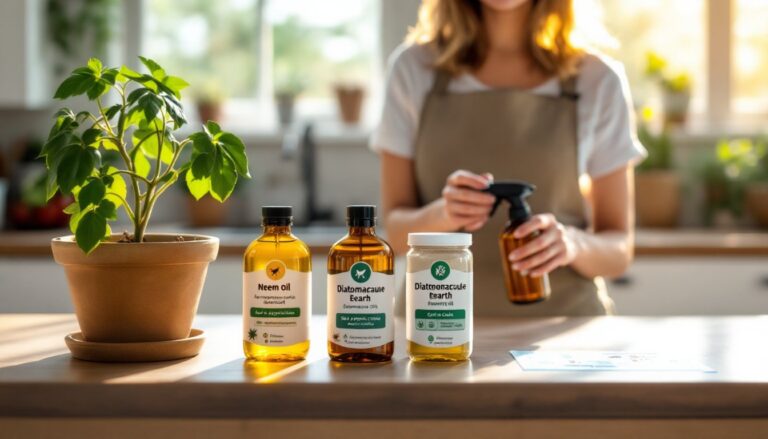
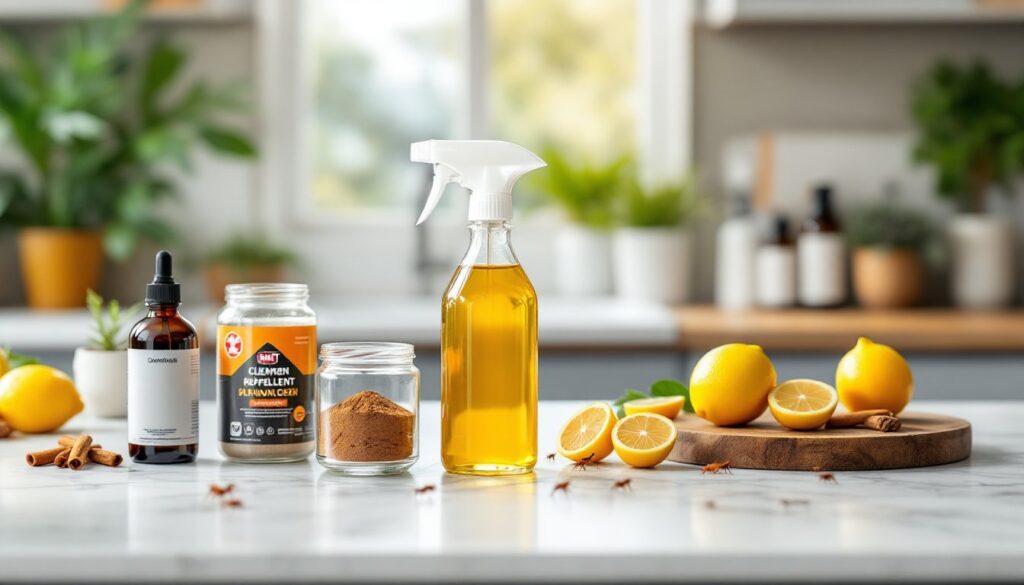
Before you spend money on commercial products, consider what’s likely already in your pantry. Citrus peels contain d-limonene and citric acid, compounds that damage insects’ respiratory systems and repel ants effectively. Spices like cinnamon and chili powder have documented ant-repellent properties, as does household vinegar, it disrupts scent trails and costs pennies per application.
Apple cider vinegar is often preferred because it’s slightly less pungent than white vinegar while delivering comparable ant-repelling results. The key advantage of these natural options: they’re non-toxic to humans and pets when used as directed, making them ideal for kitchens, pantries, and areas where children spend time.
Homemade mixes typically combine these actives into sprays applied directly to ant trails and entry points. A simple spray might use cinnamon essential oil mixed with water or diluted vinegar, sprayed at baseboards, window sills, and cracks where ants enter.
Essential Oils and Vinegar-Based Solutions
Cinnamon essential oil stands out in testing. In controlled olfactory experiments, roughly 82.5% of ants actively avoided the treated side, and in behavioral assays, cinnamon oil achieved around 95.4% repellency. Lemon juice works similarly, with studies showing approximately 60.9% efficacy as a standalone repellent.
Here’s what’s surprising: cinnamon oil and lemon juice together perform better than the sum of their individual effects. This synergy means a homemade mix of the two is more potent than either ingredient alone, giving you more bang for your effort.
Citronella essential oil and the compound p-anisaldehyde also show strong repellence in lab conditions. The practical approach is to mix a few drops of cinnamon or citronella essential oil into a spray bottle with water or vinegar, test it on a hidden surface first (oils can stain or damage some finishes), and apply liberally where ants travel. Reapply every few days or after rain, since natural products degrade and evaporate faster than commercial synthetic actives.
Store-Bought Chemical Repellents and Their Effectiveness
Commercial ant products fall into a few categories. Contact insecticides, products containing borates, neonicotinoids, or pyrethroids, kill ants on contact but often function more as toxicants than repellents. Residual sprays create treated zones that ants avoid or die crossing: these form a protective perimeter around entry points.
More recent innovation involves embedding repellent compounds directly into materials during manufacturing. Researchers have integrated ethyl anthranilate and cinnamon oil derivatives into plastic products, from drip irrigation tubing to structural barriers. Field trials showed these treated materials remained almost intact after months of ant exposure, while untreated controls suffered significant damage.
Effectiveness varies by ant species, active ingredient, and formulation. A broad-spectrum product may work against carpenter ants, fire ants, and common pavement ants, while others target specific species. Always read labels carefully, some products are designed for outdoor perimeter use, while others are safe for indoor kitchens. Cost-wise, store-bought solutions range from $10 to $50 depending on coverage area and active ingredient, while homemade natural repellents cost under $5 per batch.
Preventative Measures to Keep Ants Out Long-Term
Repellents work best as part of a larger strategy. The most effective long-term ant control combines three tactics: sanitation, exclusion, and repellent barriers.
Sanitation means removing the reasons ants came in the first place. Wipe down spills immediately, seal food in airtight containers, and don’t leave pet food sitting out overnight. Empty the trash regularly, rinse containers before recycling, and fix water leaks, ants need moisture as much as they need food.
Exclusion is about blocking entry routes. Caulk cracks and gaps around baseboards, windows, and door frames where ants might squeeze through. Inspect where utility lines, pipes, and cables enter the home: these gaps are highways for ants. Trim vegetation touching the house, as branches and plants can serve as bridges to entry points.
Repellent barriers reinforce your defenses. Apply repellents around door thresholds, foundation cracks, and any known trail areas. The combination of a clean home, sealed entry points, and consistent repellent application creates a three-layer defense that keeps ants out far more effectively than any single solution.
Consider how different types of repellents fit into this scheme, natural options like vinegar and cinnamon suit indoor use and frequent reapplication, while commercial residual sprays work better for outdoor perimeters and longer intervals between applications.
Applying Repellents: Pro Tips for Maximum Results
Where you apply repellent matters as much as what you apply. Target the ant trails themselves, these appear as visible highways of ants or faint pheromone traces visible under UV light. Apply repellent directly to trails and at entry points (windows, doors, baseboards, cracks). This disrupts the scent signals ants follow and forces them to find a new route (ideally away from your home).
Concentration is dose-dependent. Studies on cinnamon oil and lemon juice show that stronger concentrations increase repellency, within safe limits for your environment. A spray that’s too diluted may not repel effectively, while one that’s too strong might stain or damage surfaces.
For maximum effect, combine actives. A mix of cinnamon oil and lemon juice outperforms either alone, so don’t limit yourself to single-ingredient sprays. Reapply every few days for natural solutions and weekly for outdoor applications exposed to rain and UV light: commercial synthetic repellents last longer but still require periodic refreshing.
Test before applying to finished surfaces. Essential oils can stain or strip finishes on wood, plastic, or painted surfaces. Spray a small, hidden area first, wait 24 hours, and inspect for damage. For natural bug and insect repellents, consistency and correct application matter more than the product itself, a well-placed, frequently reapplied homemade solution often outperforms a single expensive commercial application applied months ago. And when combining ant control with broader pest management, remember that natural spider repellents and solutions for other insects often share similar active compounds, so a comprehensive natural approach benefits your entire home.
Conclusion
Ant repellents work, but only as part of a complete strategy. Natural solutions like cinnamon oil, lemon juice, vinegar, and citrus-based compounds deliver proven results without chemicals, while commercial formulations offer strength and durability. The real win comes from combining repellents with sanitation, exclusion, and preventative measures. Start indoors with natural sprays targeting visible trails and entry points, secure your home’s perimeter, and remove the food and water sources that attracted ants in the first place. When you kill ants naturally alongside preventative work, you’re not just solving an immediate problem, you’re building a defense that keeps ants out for months.