


Table of Contents
ToggleFleas aren’t just an annoyance, they’re a genuine threat to your pet’s health and your home’s comfort. One female flea can lay up to 50 eggs per day, turning a minor infestation into a full-blown crisis within weeks. Whether you’ve spotted scratching, found flea dirt on your pet, or want to stay ahead of the problem, understanding your options for pet flea control is essential. This guide walks you through products, prevention methods, and common mistakes so you can choose the right approach for your household.
Key Takeaways
- Pet flea control requires a multi-pronged approach targeting your pet, home, and yard—treating only your pet while ignoring your environment wastes money and allows reinfestation.
- Topical and oral flea treatments offer effective protection, but the best choice depends on your pet’s age, health status, and lifestyle; long-acting options work well for forgetful owners.
- Fleas spend 95% of their lifecycle off your pet, so vacuuming twice weekly, washing bedding in hot water, and using insect growth regulators indoors are essential to break the flea cycle.
- Consistent flea prevention for at least eight weeks prevents relapse from hatching pupae; stopping treatment early is the most common mistake pet owners make.
- Year-round prevention is standard because fleas survive indoors even in winter, and a vet consultation ($50–150) saves money by ensuring you choose the right treatment for your pet’s specific needs.
Why Flea Control Matters for Your Home and Pets
Fleas cause more than just itching. They transmit tapeworms, spread disease, and can lead to anemia in young or small animals if left unchecked. A single bite can trigger allergic reactions in sensitive pets, resulting in secondary skin infections that cost hundreds in vet bills. Beyond your pet, fleas multiply rapidly in carpet, furniture, and bedding, they’ll bite you too, leaving itchy welts.
The challenge: fleas thrive year-round indoors, even in cold climates. Their lifecycle from egg to adult takes as little as two weeks, which is why spot treatment alone often fails. You need a multi-pronged approach that targets your pet, your home, and ideally, your yard. Starting early, either as prevention or the moment you suspect fleas, is always cheaper and easier than waiting.
Types of Flea Control Products and Prevention Methods
Modern flea control comes in several forms, each with different efficacy rates and application methods. The right choice depends on your pet’s age, weight, health status, and your comfort level with application frequency.
Topical and Oral Treatments
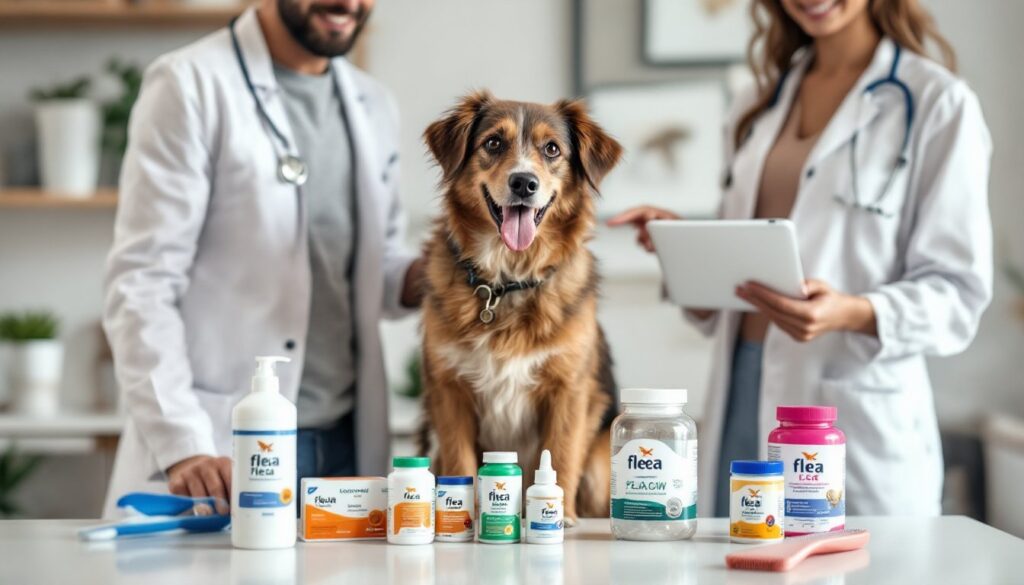
Topical treatments, commonly called “spot-on” products, are applied directly to your pet’s skin, usually between the shoulder blades where they can’t lick it off. Brands like Advantage, Frontline, and Seresto contain insecticides or growth regulators that kill fleas and prevent reproduction. Most topical treatments last 4 weeks and require monthly reapplication. Oral medications like Comfortis or Capstar work from the inside out: Capstar kills adult fleas within 30 minutes, while longer-acting pills provide monthly or quarterly protection.
Both methods are effective, but oral treatments can be easier for pets that resist handling. But, they require feeding during administration and may interact with certain medications, so check with your vet first.
Flea Collars and Other Options
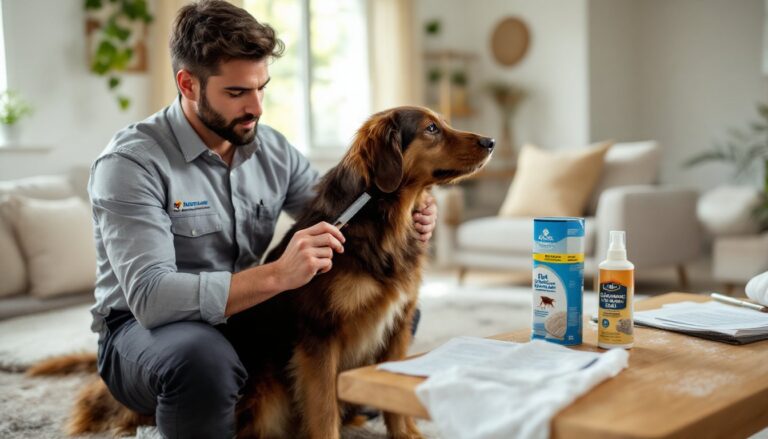
Newer flea collars like Seresto release controlled doses of insecticide over eight months, offering longer protection than monthly treatments. Flea shampoos are a good short-term cleaning step but don’t provide lasting prevention. Flea combs are low-tech but effective for daily removal and monitoring, drag the comb through your pet’s coat over a bowl of soapy water to trap and drown fleas. Combining methods (oral medication plus a flea comb, for example) often delivers the best results.
Treating Your Home and Yard for Fleas
Pet flea control doesn’t stop at your pet’s skin. Fleas spend 95% of their lifecycle off your pet as eggs, larvae, and pupae hiding in carpets, furniture, and grass. Treating only your pet while ignoring your environment wastes effort and money.
Inside, vacuum carpets, rugs, and furniture thoroughly at least twice weekly. Pay special attention to low-traffic corners where pets sleep. Wash all pet bedding weekly in hot water and heat-dry. For furniture, use indoor flea sprays that contain insect growth regulators (IGRs) like pyrethrins, these break the flea lifecycle by preventing larvae from maturing. Sprinkle diatomaceous earth (food-grade, not pool-grade) on carpets, let it sit for 24–48 hours, then vacuum thoroughly. The sharp particles cut flea exoskeletons, causing dehydration.
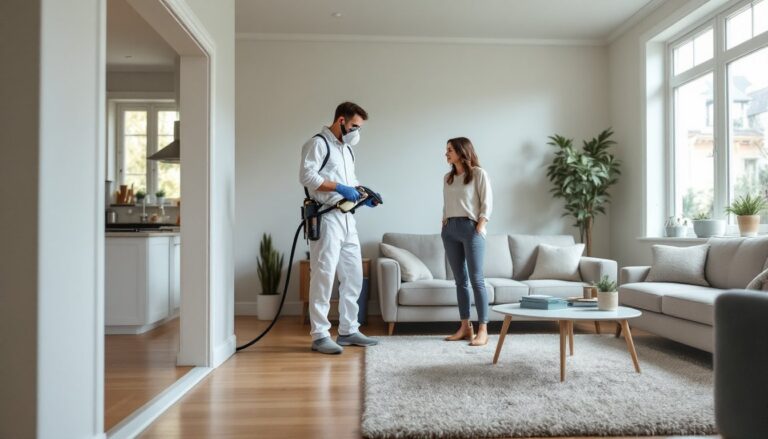
Outdoors, mow grass short and remove leaf litter where fleas hide. Consider yard treatments only if you have a significant outdoor flea population. Most flea infestations start indoors, so focus your effort there first. If your home stays clean and your pet is treated, yard treatment is often unnecessary. Professional pest control services can handle stubborn infestations if DIY methods aren’t working after two to three weeks of consistent effort.
Choosing the Right Flea Control Solution for Your Pets
The best flea control is preventative, started before fleas arrive. Year-round prevention is standard in most climates because fleas survive indoors even in winter. Your vet can recommend products based on your pet’s age, weight, and health, some flea treatments aren’t safe for puppies under eight weeks, pregnant animals, or pets with certain health conditions.
Consider your lifestyle too. If you’re forgetful, a long-acting oral or collar treatment beats monthly spot-ons. If your pet has skin sensitivity, oral options may work better than topical. Budget matters as well: pet flea control cost varies widely depending on the product and whether you buy from your vet or online retailers. Generic versions of popular treatments often cost 30–50% less without sacrificing effectiveness.
Always buy from reputable sources. Counterfeit flea treatments are common online and may contain harmful ingredients or ineffective doses. Your veterinarian or established pet retailers are safest. If you use a treatment and see no improvement after two weeks, contact your vet, you may need to switch products or address an underlying issue.
Common Mistakes to Avoid in Flea Prevention
The most common flea control mistake is stopping treatment too early. Because fleas take two weeks to mature, many people assume fleas are gone after one application and discontinue treatment. This creates a false sense of security: existing pupae hatch and restart the cycle. Consistent, uninterrupted prevention for at least eight weeks ensures you’ve broken the lifecycle completely.
Second, skipping environmental treatment while treating your pet. Fleas will reinfest your pet from your carpet or furniture, negating all your effort. Third, using human-grade or dog-grade products on cats, many common flea treatments are toxic to felines. Always verify the product is labeled for your species and weight range.
Fourth, treating only sick or infested pets while leaving others untreated. If one pet has fleas, assume all pets are at risk and treat them preventatively. Finally, avoiding the vet out of cost concerns. A $50–150 vet consultation saves money and prevents misdiagnosis. Your vet can also recommend natural pest control methods if you prefer non-chemical approaches. Resources like The Spruce’s flea guides and expert flea treatment advice offer additional verification for vet-approved methods. Don’t guess with your pet’s health, a quick vet call clarifies which approach fits your situation.