





Table of Contents
ToggleEarwigs aren’t just creepy crawlers, they’re a real problem for homeowners dealing with infestations. If you’ve spotted those distinctive pincers (called cerci) on a brownish insect scurrying across your basement floor or garden, you’re not alone. The European earwig, the most common species in U.S. homes, thrives in dark, moist places and can multiply quickly if left unchecked. While earwigs do eat aphids and other garden pests, indoor infestations are purely a nuisance. The good news: earwig pest control doesn’t always require expensive chemicals or professional exterminators. With the right combination of moisture control, exclusion, and targeted trapping strategies, you can eliminate earwigs and keep them from coming back.
Key Takeaways
- Effective earwig pest control prioritizes moisture reduction, habitat modification, and exclusion over chemical treatments—addressing the root causes that attract earwigs to your home.
- Seal foundation cracks, install weatherstripping, and maintain gutters that drain water 4–6 feet away from your house to prevent earwigs from entering and thriving indoors.
- Keep mulch and landscaping materials at least 6–12 inches from your foundation, clear leaf piles promptly, and trim dense vegetation near your foundation line to eliminate outdoor harborage.
- Use mechanical traps like oil-filled containers, damp newspapers, or sticky tree bands as natural, chemical-free methods to monitor and reduce earwig populations effectively.
- If indoor infestations persist despite good moisture control and sealing, investigate for hidden entry points or moisture sources rather than relying on sprays—professional pest control services can help identify these issues.
- Food-grade diatomaceous earth and yellow bug lights are additional natural strategies, though DE is non-selective and should only be used in targeted areas where earwig damage is severe.
Identifying Earwigs and Understanding the Problem
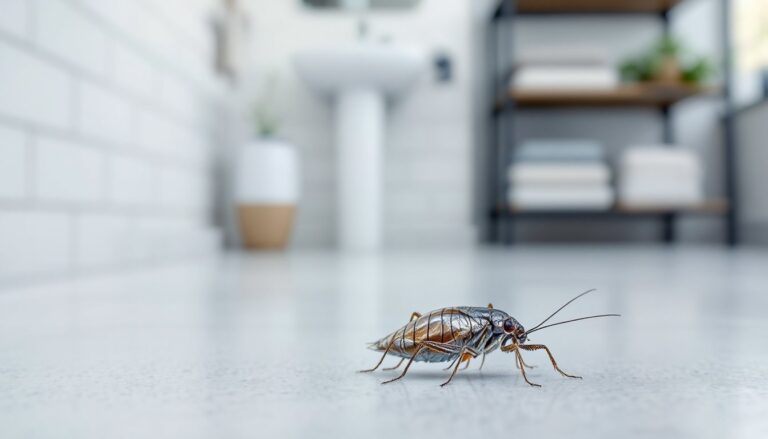
Before you can control earwigs effectively, you need to confirm you’re actually dealing with them. The European earwig (Forficula auricularia) is the culprit in most home invasions. These insects measure between ¼ and 1 inch long, have flattened, reddish-brown bodies, and those signature pincers at the rear. Short, leathery forewings cover part of their abdomen, a detail that separates them from similar-looking pests.
Earwigs are strictly nocturnal. During the day, they hide in tight, damp spaces: under mulch, inside rolled newspapers, behind baseboards, and in foundation cracks. At night, they emerge to feed on irregular holes in leaves, flower petals, seedlings, soft fruits, and corn silks. The damage pattern is distinctive, ragged, irregular chewing rather than neat holes. Indoors, earwigs don’t transmit disease and rarely cause structural damage, but finding dozens of them in your bedroom or bathroom is understandably disturbing.
Why Earwigs Invade Your Home
Earwigs are attracted to three things: moisture, darkness, and shelter. Your home offers all three. They enter through gaps under doors, cracks around windows, foundation crevices, poorly sealed utility penetrations (where pipes and cables enter), and damaged vent screens. The triggers are usually environmental, outdoor conditions turn too dry, hot, or cold, so they seek refuge indoors. When their natural outdoor hiding spots (leaf litter, compost piles, dense vegetation) become scarce or inhospitable, your basement or crawl space becomes an attractive alternative.
Summer and fall see the heaviest indoor activity because outdoor populations are largest. A single entry point can lead to dozens or even hundreds of earwigs inside within days. They don’t breed indoors as rapidly as some pests, but a persistent indoor population suggests an ongoing moisture problem and inadequate sealing, conditions you’ll need to address to prevent recurrence.
Prevention Methods That Actually Work
Effective earwig pest control starts with prevention, not chemicals. Fix moisture first. Check for leaks in your basement, crawl space, and around foundation walls. Ensure your gutters and downspouts drain water at least 4–6 feet away from the house: standing water near the foundation is an open invitation. Ventilate crawl spaces properly, poor airflow traps humidity that earwigs love. If your basement or lower level feels damp, run a dehumidifier and monitor humidity levels below 60%.
Next, eliminate shelter. Earwigs hide in mulch, leaf piles, dense vegetation, and yard debris. Keep mulch, wood chips, and landscaping materials at least 6–12 inches away from your foundation. Clear fallen leaves promptly, store firewood away from the house, and trim dense shrubs and ground cover near your foundation line. Clutter, stacked boards, old cardboard, garden equipment, provides perfect daytime harborage, so organize your garage and basement.
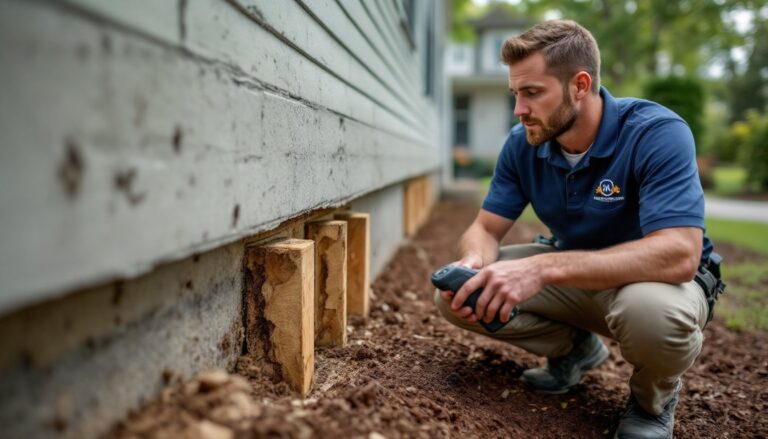
Seal entry points aggressively. Caulk visible cracks and crevices in foundation walls and crawl space vents. Install weatherstripping around doors and windows, and add door sweeps to exterior doors. Repair or replace damaged screens on vents and windows. These steps cost little and take a weekend, but they’re the foundation of any long-term control plan.
Outdoor lighting matters too. Bright white lights attract insects, including earwigs. Replace exterior bulbs with yellow “bug” lights (sodium vapor or LED), which are far less attractive and will reduce overall insect activity near your home.
DIY Removal and Treatment Strategies
Once you’ve reduced moisture and sealed entry points, tackle existing earwigs directly. Indoors, the simplest approach is mechanical: sweep or vacuum earwigs as you find them and dispose of them immediately. Use a sealed bag or container so they don’t escape back into your home. This works for light infestations and prevents the need for indoor pesticides. Continue regular vacuuming and sweeping, especially in basements, crawl spaces, and bathrooms where moisture is highest.
Outdoors, focus on known harborage areas, the foundation line, mulch beds, and dense vegetation. If populations are heavy and causing noticeable landscape damage, consider a spot-treatment with a labeled outdoor insecticide. Apply it to foundation walls, the mulch line, and around plant bases in the evening or early morning when earwigs are active. Always follow label instructions carefully, including application rate, safety precautions, and reapplication intervals. Wear gloves and avoid drift onto ornamentals you want to protect.
But, spot-treating with insecticide should be your last resort indoors or near vegetable gardens. Moisture reduction and exclusion are far more effective long-term and don’t introduce chemicals into living spaces. A persistent indoor infestation even though good moisture control and sealing usually signals you’ve missed an entry point or moisture source, keep investigating rather than relying on sprays.
Natural Remedies and Traps
Physical Traps
Physical traps are the backbone of natural pest control for earwigs. Rolled, damp newspapers or pieces of corrugated cardboard placed near plants, garden beds, or foundation areas overnight create ideal daytime hiding spots. In the morning, shake the earwigs into a container of soapy water or crush them directly. Short sections of hose work the same way. This method is slow but effective for monitoring and reducing populations without chemicals.
Oil traps catch larger numbers. Sink shallow cans or bowls (tuna or cat food containers work) flush with soil level and fill them with vegetable oil mixed with a small amount of fish oil or bacon grease as an attractant. Earwigs crawl in and drown. Replace the oil every few days and keep traps near known problem areas. This works particularly well around fruit trees and garden beds where earwig damage is visible.
Barriers and Diatomaceous Earth
For fruit trees, sticky bands (such as Tanglefoot) or a protective wrap coated with petroleum jelly around the trunk prevents earwigs from climbing up to eat developing fruit and flower buds. Apply these barriers in late summer or early fall when earwig activity peaks. Check and reapply after heavy rain.
Food-grade diatomaceous earth (DE) can be dusted around foundations, garden beds, and plant bases in dry weather. DE damages the waxy outer layer of earwig exoskeletons, causing dehydration and death. But, DE is non-selective, it’ll harm beneficial insects like ladybugs and ground beetles as well. Use it only in targeted areas where earwig damage is severe, and reapply after rain. Wear a dust mask when applying to avoid inhaling fine particles. You’ll find DE at garden centers and online retailers: confirm it’s food-grade and safe for edible gardens.
When to Call a Professional Pest Control Service
Most homeowners can handle light to moderate earwig problems with the strategies above. But if your infestation persists even though moisture reduction, sealing, and trapping, or if you’re dealing with serious outdoor crop or landscape damage, it’s time to call in a professional pest control service. Professionals have access to more potent, targeted insecticides and the expertise to apply them safely and legally.
Also consider professional help if you’re uncertain about pesticide selection or application, or if you have young children or pets at home and prefer expert guidance. Pest control experts can also identify hidden moisture sources or entry points you might have missed. Many offer ongoing monitoring and treatment plans, which is valuable if earwigs return seasonally. Services like Arrow Pest Control and similar companies in your region typically offer free inspections and estimates, so getting a professional opinion costs nothing.
For serious infestations affecting outdoor food production (corn, berries, vegetables), a professional inspection and targeted outdoor treatment can be the most cost-effective and efficient solution. They’ll also advise on whether your landscape changes, like the mulch or vegetation positioning, are contributing to the problem.
Conclusion
Effective earwig pest control combines moisture reduction, habitat modification, exclusion, and consistent trapping. Insecticides are rarely necessary if you address the underlying conditions, dampness, entry points, and outdoor shelter, thoroughly and maintain those improvements over time. Start with a full moisture audit and foundation inspection, seal gaps and cracks, set out a few traps to monitor populations, and keep your foundation line clear of mulch and debris. These steps take work but are far more cost-effective and lasting than relying on sprays. With patience and consistency, you’ll eliminate earwigs and prevent them from returning.