




Table of Contents
ToggleFinding a line of ants marching across the kitchen counter is one of those small frustrations that turns into a full-blown weekend project fast. The good news? A homeowner doesn’t need to bomb the place with synthetic sprays to win this fight. Natural ant control leans on simple ingredients, smart sealing, and a bit of detective work to figure out what’s drawing them in. This guide walks through the practical, chemical-free tactics that actually move the needle, what works, what doesn’t, and how to keep ants out for good.
Key Takeaways
- Natural ant control works by disrupting pheromone trails with household items like vinegar, cinnamon, and citrus peels rather than relying on toxic synthetic sprays.
- Essential oils such as peppermint and tea tree oil are highly effective natural ant repellents when mixed with water and dish soap, though they require reapplication every few days as they evaporate quickly.
- Food-grade diatomaceous earth and borax baits eliminate ant colonies by targeting workers who carry poison back to the queen, but both require careful handling around pets and children.
- Sealing cracks wider than 1/16 inch around your home’s foundation, windows, and utility lines is critical to long-term prevention and stops ants from entering in the first place.
- Addressing moisture sources by fixing leaky pipes and repairing plumbing issues removes a primary attractant that draws ants indoors, especially during rainy seasons.
Why Ants Invade Your Home in the First Place
Ants are scouts by nature. A single forager wanders into a home looking for three things: food, water, and shelter. Once it finds a crumb under the toaster or a leaky pipe under the sink, it lays down a pheromone trail that signals the colony to follow.
Common attractants include:
- Sugary spills, pet food bowls, and unsealed pantry items
- Moisture from leaky plumbing, condensation, or damp wood
- Tiny entry points around windows, baseboards, and utility lines
Seasonal shifts matter too. Heavy rain pushes ants indoors looking for dry ground, while summer heat sends them hunting for water. Understanding the why makes every other step in this guide more effective. For a broader look at how to read pest behavior, this homeowner’s guide to common pests breaks down identification basics.
Kitchen Staples That Double as Powerful Ant Repellents
Before anyone runs to the hardware store, the pantry already holds several proven ant deterrents. These work by disrupting the pheromone trails ants rely on to navigate, or by simply smelling offensive to them.
Vinegar, Lemon, and Citrus Peels
A 50/50 mix of white vinegar and water sprayed directly on ant trails wipes out the chemical scent path. It’s cheap, food-safe, and dries without residue. Lemon juice does the same job thanks to its acidity, and dried citrus peels tucked into cabinets or near entry points act as a passive repellent. Country Living’s breakdown of household ant remedies confirms vinegar as one of the most reliable natural options.
Cinnamon, Black Pepper, and Coffee Grounds
Ground cinnamon sprinkled along baseboards, windowsills, and door thresholds creates a barrier ants avoid. Black pepper works similarly, the strong scent throws off their tracking. Used coffee grounds, scattered near outdoor entry points or anthills, double as a repellent and a soil amendment for nearby plants. None of these will kill a colony, but they reroute foragers fast.
Essential Oils and Plant-Based Solutions That Actually Work
Essential oils punch above their weight as natural ant repellents. The most effective options are peppermint, tea tree, clove, and eucalyptus oil. Ants breathe through small openings called spiracles, and strong oils interfere with that process while also masking their scent trails.
A simple spray recipe:
- 2 cups water
- 1 teaspoon dish soap (helps the oil emulsify)
- 15–20 drops peppermint or tea tree oil
Shake well and spray along trails, entry points, and behind appliances. Reapply every few days, essential oils evaporate quickly. For households with cats, skip tea tree and clove oils, which can be toxic to pets.
Living plants help too. Mint, lavender, and rosemary planted near doorways or in window boxes create a natural perimeter. Gardening sites like Gardenista often highlight these dual-purpose herbs for kitchen gardens. These same plant-based tactics also work as natural fly repellents and even some natural spider repellents, making them a solid all-around defense.
Diatomaceous Earth and Borax: Natural Ant Killers Explained
Repellents move ants along. To actually eliminate a colony, a homeowner needs something the workers carry back to the queen.
Food-grade diatomaceous earth (DE) is a fine powder made from fossilized algae. It’s harmless to humans and pets but shreds the exoskeletons of ants on contact, causing dehydration. Dust a thin layer along baseboards, under appliances, and around foundation cracks. It only works when dry, so reapply after cleaning or humidity spikes.
Borax bait targets the colony directly. Mix:
- 1 tablespoon borax
- 3 tablespoons sugar
- Enough warm water to make a syrup
Soak cotton balls and place them on small lids where ants are active. Workers carry the sweet poison home, and the colony collapses within a week or two. ⚠️ Keep borax bait away from children and pets, it’s lower-toxicity than synthetic pesticides but still not something to ingest. For a deeper comparison of these methods, this rundown of proven chemical-free pest control is worth a read.
Sealing Entry Points and Long-Term Prevention Tips
Killing the current invasion is half the battle. Keeping ants out long-term means closing the doors they walked through. A solid prevention checklist:
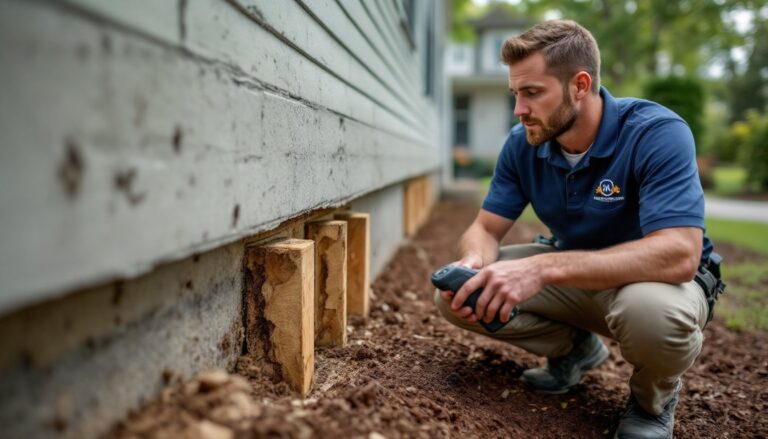
- Inspect the perimeter. Walk the foundation and look for cracks, gaps around utility lines, and worn weatherstripping. Anything wider than 1/16 inch is an ant highway.
- Caulk and seal. Use a paintable silicone or silicone-latex caulk for interior gaps around baseboards, windows, and pipe penetrations. For exterior masonry, mortar repair caulk holds up better against weather.
- Fix moisture issues. Repair leaky faucets, run a dehumidifier in damp basements, and make sure gutters drain at least 3 feet from the foundation.
- Store food smart. Glass or heavy plastic containers with gasket lids beat the original packaging every time. Keep pet food bowls clean and don’t leave them out overnight.
- Trim vegetation. Tree branches and shrubs touching the house act as bridges. Maintain at least a 12-inch gap.
For homeowners who want a broader prevention playbook, these effective management strategies cover seasonal maintenance in detail, and Better Homes & Gardens publishes solid seasonal home checklists worth bookmarking. Consistent prevention beats reactive treatment every time, and it keeps natural pest control feeling like maintenance, not warfare.