






Table of Contents
ToggleBugs in the kitchen. Ants marching across the counter. That one spider that keeps reappearing no matter what. Most homeowners face the choice: reach for conventional pesticides or try something gentler. Natural bug and insect repellents have gained real traction in recent years, and for good reason. They reduce exposure to synthetic chemicals like DEET and pyrethroids, which can irritate skin, trigger asthma in sensitive family members, or pose risks to pets if misused. The trade-off is honest: most plant-based options don’t last as long as their chemical counterparts and work best in low-risk settings. But when combined with smart environmental changes and physical barriers, natural repellents can genuinely reduce pest pressure while keeping your home chemical-light.
Key Takeaways
- Natural bug and insect repellents like oil of lemon eucalyptus, citronella, and garlic oil offer measurable protection while reducing exposure to synthetic chemicals like DEET.
- Plant-based repellents work best when combined with environmental fixes—sealing cracks, removing standing water, installing screens, and maintaining cleanliness—rather than relying on sprays alone.
- Essential oils must be diluted with carriers like witch hazel or vinegar before use; applying them neat can irritate skin, and oil of lemon eucalyptus should not be used on children under 3.
- Simple DIY recipes using diluted essential oils cost pennies and provide effective natural insect repellents for skin, indoor surfaces, and gardens when stored in dark glass bottles.
- In high-risk disease areas where mosquitoes carry dengue or ticks transmit illness, EPA-registered products with longer-lasting protection are still the recommended choice over natural alternatives alone.
Why Natural Repellents Matter for Your Home and Family
Conventional pesticides contain active ingredients proven to stop insects, but they come with trade-offs. Synthetic chemicals can leave residue on skin, linger in the air, or harm beneficial insects and soil microbes if overused outdoors. For families with young children, respiratory sensitivities, or pets, reducing chemical exposure in the home makes practical sense.
Plant-derived repellents like citronella, oil of lemon eucalyptus (PMD), garlic oil, and thyme offer measurable insect-deterrent effects, though research shows they’re typically shorter-acting than DEET-based products. The EPA recognizes several plant-based ingredients as minimum-risk pesticides. The key is matching your approach to your actual risk level. In a suburban backyard with low mosquito-borne disease risk, a natural spray and a fan might be enough. In regions where tick-borne illness or dengue is common, health authorities still recommend EPA-registered products with proven, longer-lasting protection.
The real advantage of going natural isn’t replacing all chemical defense, it’s reducing unnecessary exposure while using what genuinely works.
Essential Oils and Plant-Based Repellent Solutions
Several plant-derived ingredients have solid evidence behind them. Citronella oil, registered by the EPA as a plant-based repellent, shows efficacy against mosquitoes, fleas, aphids, and flies. Oil of lemon eucalyptus (PMD), extracted from lemon eucalyptus leaves, delivers protection against mosquitoes roughly comparable to low- to medium-strength DEET formulas. Garlic oil, listed as a minimum-risk pesticide by the EPA, demonstrates tick-repellent and anti-infestation effects when applied in yards. Thyme, lavender, lemongrass, peppermint, neem, dill, basil, and vetiver all show repellent activity in lab and small field studies, typically against mosquitoes, ticks, or flies, though with shorter duration than synthetic alternatives.
When using these oils, dilution is everything. Essential oils are potent concentrates: applying them neat can irritate skin or cause allergic reactions. Always mix them with a carrier (witch hazel, water, or vinegar) before spraying. For skin application, keep concentrations low and avoid the eyes and mouth. Products containing oil of lemon eucalyptus should not be used on children under 3 years old, per standard product labeling.
Top Essential Oils for Indoor and Outdoor Use
Mosquitoes (outdoor and indoor): Oil of lemon eucalyptus, citronella, lemongrass, lavender, vetiver, neem, and soybean oil all show documented repellent action.
Ticks (yard and pet environment): Garlic oil, thyme oil, and some cedarwood formulations are your best plant-based bets.
Flies and flying insects: Citronella, lemongrass, basil, and lavender reduce pressure on porches and patios.
Ants and crawling pests: Peppermint, cinnamon, citronella, and cedarwood oils work. For a mouse deterrent natural approach, peppermint oil is particularly effective, rodents dislike the scent, and placing oil-soaked cotton balls in entry points and along walls creates a low-cost barrier. Natural ant control also benefits from cinnamon and garlic: these create chemical barriers that ants avoid without harming your home.
DIY Natural Repellent Recipes You Can Make Today
You don’t need to buy pre-made sprays. Simple recipes mixed at home work just as well and cost pennies.
Skin spray (mosquito-focused):
- 1 part oil of lemon eucalyptus or lavender essential oil
- 10 parts witch hazel
Mix in a glass spray bottle and shake gently before each use. Spray on exposed skin, avoiding eyes and mouth. This dilution is safe for most adults: keep it away from children under 3.
Indoor and outdoor surface spray:
- 10 to 20 drops each of lavender, citronella, and oil of lemon eucalyptus
- 2 oz distilled water + 2 oz white or apple cider vinegar
Combine in a spray bottle, shake before use, and spray around door frames, window sills, and patios. Avoid delicate fabrics or finishes: test on a hidden spot first.
Garden mist (for foliage and yard use):
- A few drops of thyme oil, garlic oil, or oil of lemon eucalyptus
- Dilute well in distilled water in a spray bottle
Spritz on plant foliage and around garden edges. Always test on a small, inconspicuous area first to ensure the plant tolerates the oil.
Store all homemade sprays in dark glass bottles away from direct sunlight. Label them clearly and keep them out of reach of children and pets. Most last 2 to 3 weeks before the oils degrade.
Physical Barriers and Environmental Changes
Here’s the thing about pests: they thrive in homes that give them food, water, and shelter. Before spraying anything, fix the environment.
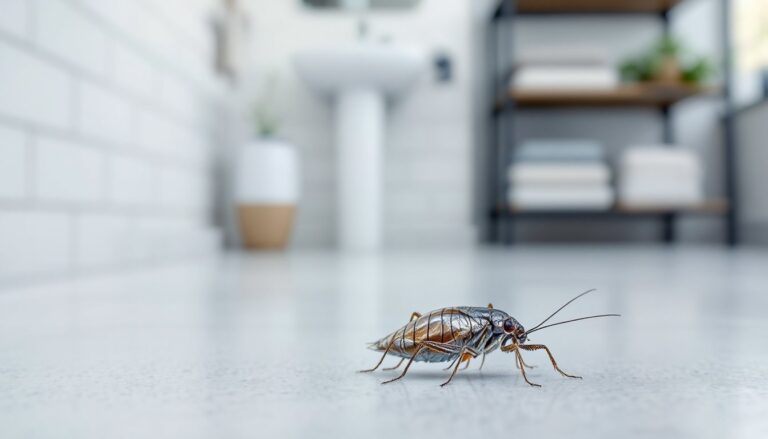
Seal cracks around door frames, window sills, and foundation edges where ants, spiders, roaches, and other crawling pests enter. Use painter’s caulk for cosmetic gaps and polyurethane caulk for structural gaps that flex. For a silverfish bug in house problem, sealing damp bathroom areas and reducing humidity with a dehumidifier or exhaust fan is often the first real solution, silverfish love moisture.
Remove standing water. Mosquitoes breed in clogged gutters, plant saucers, buckets, and birdbaths. Empty these weekly during mosquito season. Install or repair window and door screens: gaps as small as 1/8 inch let mosquitoes through.
Keep your kitchen spotless. Wipe up crumbs, seal food in airtight containers, and take trash out regularly. These changes cut ant and fly pressure dramatically, no spray needed if there’s nothing to eat.
Outdoors, wear light-colored, loose clothing at dawn and dusk when mosquitoes bite most. Avoid scented lotions: mosquitoes are attracted to body odors and perfumes. Overhead fans on patios create air movement that disrupts mosquito flight patterns.
For pets, natural pest control methods like diatomaceous earth (food-grade, applied to cracks and pet bedding) help control fleas and ticks environmentally. Always supervise application and keep pets out of treated areas while drying.
Natural Repellents for Common Household Pests
Different pests need different approaches. Here’s what works for the most common invaders.
Mosquitoes: How to get rid of mosquitoes starts with prevention, remove standing water and install screens. For active defense, citronella candles, PMD-based sprays, and soybean oil formulations provide hours of protection. Garlic-based yard sprays deter mosquitoes over larger areas. Personal diffusers with lemongrass or lavender oil work indoors.
Ants: Chalk lines (calcium carbonate barriers) at entry points frustrate ant trails. Cinnamon, paprika, and garlic powder sprinkled around entry points create scent barriers ants dislike. Wipe ant trails with a 1:1 vinegar-water solution to erase their chemical navigation markers.
Spiders: A spray of lemon oil mixed with mild dish soap and water, applied around entry points, deters many spiders. Vacuum regularly and remove webs as they appear, prevention beats repelling.
Fleas and ticks (environmental): Food-grade diatomaceous earth applied to cracks, baseboards, and pet bedding dehydrates insects. Cedar and garlic-based outdoor treatments reduce tick populations in yards. For pets, consult your veterinarian before applying any natural product directly to skin.
Slugs and snails: Beer traps (shallow dishes of beer sunk into soil) attract and drown slugs. Chalk or copper tape barriers around garden beds deter them. Handpicking early in the morning is tedious but effective for small infestations.
For proven natural home pest control, combining one or two targeted sprays with environmental fixes works better than relying on sprays alone.
Conclusion
Plant-based ingredients like oil of lemon eucalyptus, citronella, garlic oil, and thyme deliver measurable repellent effects, they’re not placebos. What they don’t do is match the duration and consistency of DEET or picaridin, especially in high-risk disease areas. The smart approach blends evidence-based sprays, environmental modifications (removing water, sealing cracks, cleaning food sources), and physical barriers (screens, nets, light clothing). For most homeowners in typical suburban settings, this combination cuts pest pressure significantly while keeping synthetic chemical use to a minimum. Where mosquitoes carry disease or tick exposure is serious, health authorities still recommend EPA-registered repellents with proven, longer-lasting protection. Start natural, stay observant, and escalate only when needed.