





Table of Contents
ToggleInsects don’t care whether you’ve just finished renovating your kitchen or spent the weekend landscaping your yard, they’ll find a way in. Most homeowners reach for synthetic sprays without thinking twice, but there’s a better approach. Natural insect repellents are effective, safer for your family and pets, and often cost less than commercial alternatives. Whether you’re dealing with mosquitoes on the porch, flies in the pantry, or ants on the kitchen counter, this guide walks you through the best natural solutions that actually deliver results.
Key Takeaways
- Natural insect repellents are safer, more affordable than synthetic alternatives, and align with eco-friendly home practices by protecting your family, pets, and local ecosystems.
- Essential oils like lavender, eucalyptus, and peppermint are the backbone of effective homemade repellent sprays—always dilute them properly and rotate between oils to prevent insects from adapting.
- A simple DIY repellent spray using 2 cups water, 1 tablespoon dish soap, and 15-20 drops of mixed essential oils can be made today and applied every 5-7 days for ongoing protection.
- Growing repellent plants such as basil, mint, rosemary, and marigolds near patios and windowsills provides continuous, dual-purpose pest defense while offering culinary or decorative benefits.
- Sealing cracks, maintaining screens, eliminating standing water, and clearing outdoor debris create a prevention system that eliminates 80% of seasonal insect problems without harsh chemicals.
Why Natural Insect Repellents Make Sense for Your Home
Chemical-based insecticides work fast, sure, but they come with hidden costs. Synthetic repellents contain compounds that linger in your home’s air and surfaces, creating long-term exposure for kids and pets. Natural insect repellents sidestep this problem entirely. They’re derived from plants, essential oils, and common household items, substances your family likely encounters in food or medicine already.
There’s also the practical angle: natural solutions often cost a fraction of name-brand sprays. A bottle of tea tree oil costs around $10 and lasts months when diluted properly. Compare that to buying multiple cans of commercial bug spray throughout the season. Beyond the wallet, natural methods align with eco-friendly home practices. They don’t contaminate groundwater or harm beneficial insects like bees. For homeowners focused on natural pest control methods that actually work, this approach eliminates the guesswork and guilt.
The real strength of natural repellents lies in consistency. You’ll need to reapply them more often than synthetic sprays, but that trade-off means fewer toxins in your home and better long-term control.
Essential Oils: Nature’s Most Effective Bug Deterrents
Essential oils are the backbone of homemade natural insecticide solutions. They contain concentrated plant compounds that insects actively avoid. The key is understanding which oils work best for which pests, and how to use them safely and effectively.
Top Essential Oils for Mosquitoes and Flies
Lavender oil is your first line of defense. Mosquitoes hate it, and it smells pleasant to humans, a rare win-win. Eucalyptus and peppermint oils are equally powerful repellents, particularly against flies and gnats. Tea tree oil works well for general pest prevention, though some find the smell too strong indoors. Lemongrass and citronella are classics for a reason: they’re proven mosquito deterrents and widely available.
Practical application matters. Never apply pure essential oils directly to skin or furniture, they’ll stain and can cause irritation. Always dilute them. A standard ratio is 10-15 drops of essential oil per cup of water in a spray bottle. For a diffuser, add 3-5 drops to water in a small vessel near problem areas like windowsills or entry points. According to eco-friendly pest control resources, rotating between two or three oils prevents insects from adapting to any single scent.
Store essential oils in dark glass bottles away from direct sunlight and heat. Oils degrade quickly when exposed to light and temperature swings, losing potency within weeks.
Homemade Repellent Sprays You Can Make Today
Creating homemade sprays takes minutes and uses ingredients you likely have on hand. Here’s a proven formula for an all-purpose natural ant repellent and general insect spray:
Basic DIY Repellent Spray:
- 2 cups water
- 1 tablespoon dish soap (acts as an emulsifier)
- 15 drops lavender essential oil
- 10 drops peppermint essential oil
Shake thoroughly before each use. The soap binds the oils to the water: without it, they’ll separate and settle at the bottom. Spray around baseboards, window frames, door thresholds, and outdoor entryways. Reapply every 5-7 days or after rain if treating outdoor areas.
For concentrated indoor use, particularly against ants, mix 1 cup of white vinegar with 15 drops of tea tree oil and 10 drops of eucalyptus oil. The vinegar disrupts scent trails ants use to navigate, addressing both natural ant removal and prevention simultaneously. Spray directly on visible ant paths and the surrounding area.
Another effective formula combines citrus and clove for stubborn infestations. Save citrus peels (lemon, lime, or orange) in a jar and cover them with white vinegar. After one week, strain and dilute with equal parts water. Add 5 drops of clove oil to each cup of this solution. This blend is particularly effective against roaches and flies.
Store homemade sprays in labeled spray bottles away from direct sunlight. Most keep for 2-3 weeks before the oils break down.
Plants and Herbs That Keep Insects Away
Growing repellent plants transforms your yard and indoor spaces into natural bug barriers. Unlike sprays, which disappear after application, living plants continuously release protective compounds into the air.
Mosquitoes and flies despise basil, mint, and rosemary. Plant these herbs near patios, decks, or seating areas. They’re also culinary staples, so you’re getting dual value. Marigolds deter mosquitoes and a host of garden pests, making them excellent border plants around vegetable beds. Lavender serves the same purpose while providing beautiful purple blooms and dried flower options for other home projects.
Indoors, small potted basil or mint on a sunny windowsill works wonders for kitchen pests. Group several small pots together for stronger effect. Citronella plants are the classic mosquito fighter, while they’re less potent than citronella oil alone, they’re attractive outdoor focal points that genuinely repel insects.
For comprehensive natural ant removal strategies, plant pennyroyal around foundation perimeters and garden borders. But, note that pennyroyal is toxic to pets and children in quantity, so research your family situation before placing it. Ants also dislike cinnamon, so sprinkling ground cinnamon around problem areas and along plant bases provides both scent deterrence and visual appeal.
Fresh herb effectiveness peaks during active growing season (spring through early fall). Dried herbs in small cloth sachets hung near windows or doors provide off-season protection.
Simple Prevention Tactics for Long-Term Protection
Even the best natural repellents can’t do their job if insects find easy entry points or food sources. Prevention is where natural insect control truly shines over reactive spray-and-pray approaches.
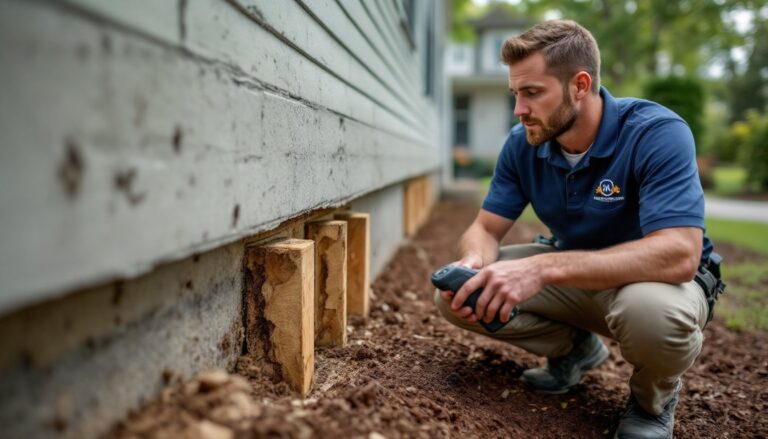
Start with your home’s exterior. Seal cracks around baseboards, window frames, and door thresholds using caulk (paintable acrylic latex works fine for interior applications). Check weatherstripping on doors and windows, gaps as thin as a match stick let insects through. Replace damaged stripping with adhesive-backed foam or rubber strips: they’re inexpensive and take 30 minutes to install per door.
Screen maintenance is critical. A single tear in a screen becomes a mosquito expressway. Inspect all screens monthly during warm months. Small holes can be patched with adhesive screen repair patches (available at any hardware store). Larger damage warrants screen replacement, new screens cost $15–40 per window and take 15 minutes to swap.
Inside, eliminate standing water where mosquitoes breed. Empty saucers under potted plants, fix leaky faucets promptly, and keep gutters clear of debris that collects water. In the kitchen, don’t leave dirty dishes overnight and take out trash regularly. Fruit flies breed in decomposing organic matter, keeping your environment clean starves them of habitat.
Outdoor surfaces benefit from regular clearing. Remove leaf litter, trim grass to 3 inches (mosquitoes hide in tall grass), and thin dense bushes to improve air circulation. Mosquitoes are weakest in moving air, so fans on a porch or patio provide practical physical barriers beyond chemical or natural methods.
Practices like these, combined with proven natural methods to eliminate pests without chemicals, create an integrated system where insects find your home uninviting rather than just temporarily repelled.
Conclusion
Natural insect repellents deliver real results when applied thoughtfully. Whether you’re mixing homemade sprays, planting repellent herbs, or simply sealing entry points, you’re taking control without harsh chemicals. Start with one or two methods, maybe essential oil spray and basil on the windowsill, then expand as needed. Consistency matters more than perfection. Most homeowners find that combining natural repellents with solid prevention habits eliminates 80% of seasonal insect issues, leaving only occasional touch-ups required.