


Table of Contents
ToggleAnts are relentless. One day you spot a single scout on your kitchen counter, and 48 hours later they’re marching in organized columns across your countertops. Most homeowners reach for chemical sprays, but there’s a better way: natural ant repellents work just as effectively without the toxins or environmental impact. Whether you’re dealing with fire ants in the yard or pharaoh ants in the pantry, this guide walks you through the most proven natural solutions that actually stop ants in their tracks. Best of all, you likely have many of these ingredients already sitting in your cabinets or bathroom.
Key Takeaways
- Natural ant repellents like peppermint, cinnamon, and tea tree oils disrupt pheromone trails that ants use for navigation, making them as effective as chemical sprays without the toxins.
- Essential oils mixed with water, coffee grounds, white vinegar, and food-grade diatomaceous earth are proven household solutions you likely already have in your cabinets.
- Borax-based baits and baking soda mixed with powdered sugar target ant colonies directly, killing ants internally and preventing them from reproducing.
- Long-term prevention is critical: eliminate food and water sources, seal entry points with silicone caulk, store pantry items in airtight containers, and maintain protective barriers every 2–4 weeks during peak season.
- Professional pest control is necessary for fire ant colonies, carpenter ants in wood structures, or persistent infestations lasting more than two weeks despite natural ant repellent treatments.
Top Natural Ant Repellents That Really Work
Essential Oils and Botanical Solutions
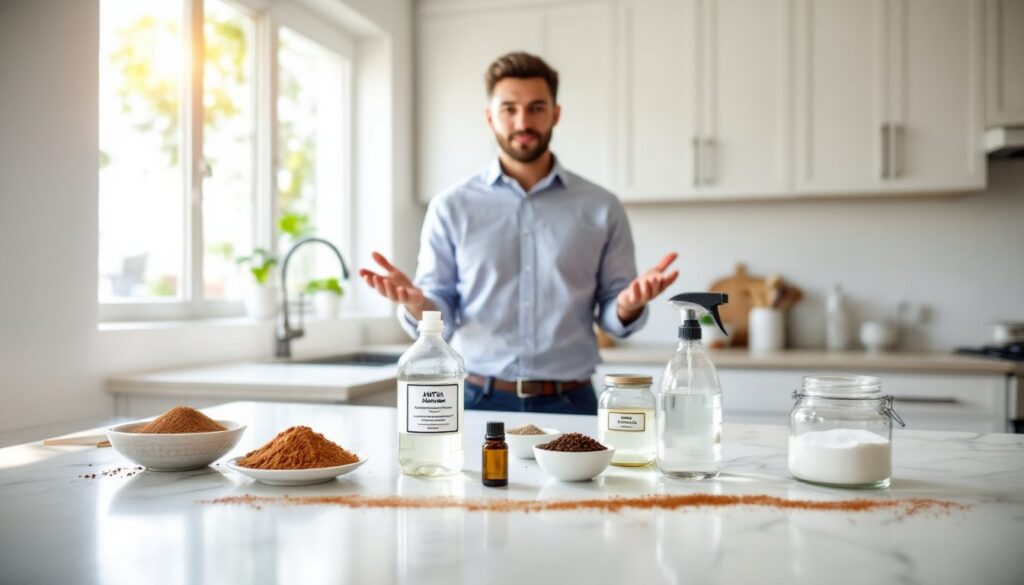
Essential oils are among the most effective natural insecticides for deterring ants. Peppermint, cinnamon, and tea tree oils contain compounds that disrupt ants’ pheromone trails, the chemical signals they use to navigate and recruit colony members. When you break that trail, ants can’t find their way back to food sources.
To use essential oils as a natural ant removal method, mix 10–15 drops of your chosen oil with 2 cups of water in a spray bottle. Shake well (oil and water separate naturally) and spray along baseboards, windowsills, and entry points. Reapply after sweeping or every 3–5 days as the scent fades. Eucalyptus and lavender oils work similarly, though peppermint and cinnamon tend to deliver faster results.
Cinnamon is particularly potent, you can sprinkle ground cinnamon directly on surfaces or mix it into a paste with water. The ants dislike both the smell and the gritty texture, making it an excellent barrier treatment. Unlike liquid sprays, cinnamon powder won’t damage electronics or leave residue.
Household Pantry Staples for Ant Control
Your kitchen already contains powerful ant repellents. White vinegar is a classic choice: mix equal parts vinegar and water, then spray it along trails and entry points. The strong odor masks pheromone trails, and the acidity can damage the exoskeletons of soft-bodied insects if they come into direct contact. This approach works best as a preventative barrier rather than a direct spray on visible ants.
Coffee grounds are another overlooked powerhouse. Ants avoid the bitter compounds and caffeine in used grounds. Scatter them around problem areas, baseboards, under sinks, near entry doors, and refresh every week or two as they dry out. Bonus: they also work as a mild fertilizer if you need to redirect them elsewhere.
Diatomaceous earth (food-grade only, never use pool-grade) is technically a mineral powder, not a pantry item, but it deserves mention here because most hardware stores stock it cheaply. The powder’s microscopic structure damages insects’ exoskeletons on contact. Dust a thin, even layer along baseboards and under appliances, avoiding areas where pets or kids might inhale it. Reapply after vacuuming or wet cleaning.
Powerful Powders and Natural Compounds
Beyond essential oils, several powdered substances rank among the best natural ant removal solutions for both indoors and outdoors. Borax-based baits are a middle ground between fully natural and chemical, borax comes from naturally occurring mineral deposits, though it requires careful handling. Mix one part borax powder with three parts powdered sugar and a little water to form a spreadable paste. Apply tiny dabs on cardboard squares near ant trails (away from pets and children). Ants carry the bait back to the colony, where it disrupts their digestion over several days. This approach works faster than simple repellents because it targets the nest itself, not just the foraging line.
Clay and diatomaceous earth work through physical action rather than scent. When ants walk across these fine powders, the microscopic edges dehydrate their bodies. The advantage here is that ants can’t develop resistance, it’s not a chemical they can adapt to. Spread a thin barrier (¼ inch or less) along baseboards, ant mounds, and foundation cracks. Too-thick applications become ineffective because ants tunnel underneath.
Baking soda mixed with powdered sugar creates another potent option. Use a 1:1 ratio, add a pinch of water, and place small amounts on folded paper near entry points or trails. The baking soda reacts with ants’ digestive acids, killing them internally. This method takes 48–72 hours to show results but requires no mixing or spraying, just set it and forget it.
For outdoor ant mounds, cinnamon powder sprinkled directly on the mound (before rain) can reduce colony activity significantly. Some sources suggest boiling water poured directly on mounds, but this method kills surrounding plants and isn’t always effective on deep colonies, save the heavy tactics for mounds in concrete or isolated areas.
Prevention Strategies and Long-Term Solutions
Killing existing ants is one battle: preventing their return is the real war. The foundation of any long-term strategy is removing their reasons to visit your home in the first place. Clean food and water sources relentlessly. Wipe down counters after meals, don’t leave pet food sitting out overnight, and fix any water leaks under sinks or around appliances, ants need moisture as much as food.
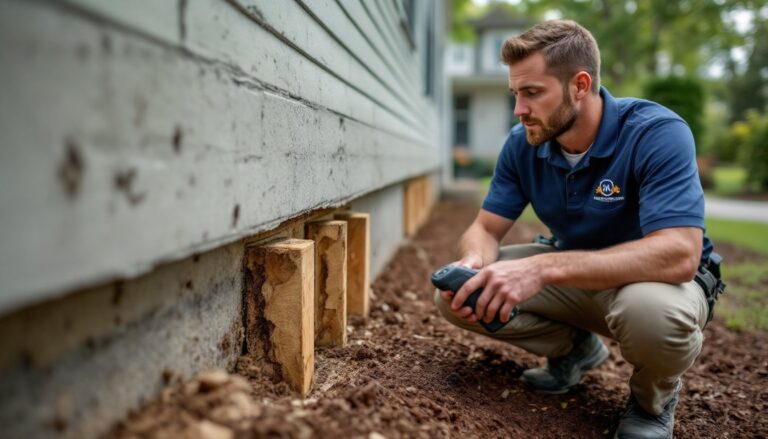
Sealing entry points is equally critical. Walk your home’s foundation on a sunny day and mark cracks, gaps around pipes, and gaps where utilities enter the walls. Use silicone caulk (not acrylic, which ants can chew through) to seal cracks up to ¼ inch wide. For larger gaps, pack foam backer rod into the cavity first, then caulk over it. This prevents ants from establishing highways into your living spaces.
Store pantry items in airtight containers rather than opened boxes or bags. Ants navigate by scent: sealed containers become invisible to them. Pay special attention to cereals, flour, pet food, and anything sweet. Refrigerate honey and syrups rather than leaving them on the counter.
Outdoors, eliminate conditions that harbor colonies. Keep mulch and wood chips 6 inches away from your foundation, ants nest in these materials and use them as staging areas. Trim tree branches that overhang the roof: many ant species nest in trees and branch down onto your house. If you have an ant mound in the yard but it’s not near the home, leave it alone, ground-nesting ants like Argentine ants actually eat pest insects and help soil aeration.
Consider periodic reapplication of natural repellent barriers (cinnamon, essential oil spray, or diatomaceous earth) every 2–4 weeks during peak ant season (spring and summer). This maintains the scent barrier that deters new scouts.
When to Consider Professional Help
Natural solutions work for typical household ants, sugar ants, carpenter ants in small numbers, and occasional invasions. But, certain infestations demand professional intervention. Fire ants are aggressive and their colonies are deep and large: DIY methods rarely penetrate far enough to eliminate the queen. Similarly, if you discover carpenter ants, which tunnel into wood framing rather than just foraging on surfaces, you need a pest professional to assess structural damage and locate hidden nests.
Some infestations stem from architectural problems, cracks in concrete slabs, gaps in crawl spaces, or moisture issues that create ideal ant habitat. Professionals can identify these structural weaknesses and recommend repairs alongside treatment. If you’ve tried eco-friendly pest control solutions for more than two weeks with no progress, or if ants return within a month of treatment, call an exterminator. Persistent re-infestation usually means the entry points or food sources aren’t fully addressed, something a professional can diagnose quickly.
When selecting a pro, ask specifically about natural pest control methods they offer. Many modern pest companies stock botanical insecticides and physical barriers alongside traditional sprays. Your pest control provider can also advise whether your ant problem is something you can handle yourself or requires professional treatment for the colony itself.
Resources like Country Living’s guide on how to get rid of ants provide additional perspective on when to escalate, and The Spruce’s home maintenance guides offer comprehensive follow-up strategies after initial treatment.