

Table of Contents
ToggleAnts are persistent little engineers. One scout finds a crumb, lays down a pheromone trail, and by morning there’s a highway running across the kitchen counter. The good news? Homeowners don’t need to reach for the heavy-duty chemical sprays to shut the operation down. A handful of pantry items, a few essential oils, and some smart sealing work can kill ants naturally and keep them out for good. Here are nine chemical-free methods that genuinely work, plus how to match the right tactic to the right ant.
Key Takeaways
- Kill ants naturally using pantry staples like vinegar, baking soda, and dish soap—all of which disrupt pheromone trails and eliminate ants on contact without toxic residue.
- Identify your ant species before treating, as odorous house ants, carpenter ants, pavement ants, and pharaoh ants each require different control strategies.
- Diatomaceous earth and essential oils (peppermint, tea tree, clove, and citrus) repel and dehydrate ants while serving as longer-term barriers against reinfestation.
- Seal exterior gaps larger than 1/16 inch and remove attractants by storing food in sealed containers, fixing leaks, and wiping counters daily to prevent new colonies.
- Natural ant control requires a sustained routine of identifying, eliminating, sealing, and preventing—typically 2-3 weeks of consistent effort—to outperform one-time chemical sprays that don’t address the colony source.
Why Choose Natural Ant Control Over Chemical Sprays
Most aerosol ant killers contain pyrethroids or organophosphates. They work, but they also linger on countertops, leach into grout, and pose real risks to pets, kids, and pollinators that wander into treated areas.
Natural methods sidestep all of that. They use ingredients already sitting in the pantry, cost a fraction of a name-brand spray, and target ants through mechanisms (dehydration, scent disruption, soap-based suffocation) that don’t leave toxic residue behind.
There’s also a long-game benefit. Chemical sprays kill the workers a homeowner can see, but the colony underground keeps producing. Natural baits and barriers, paired with proven natural pest control habits, address the source.
Identifying the Ant Invaders in Your Home
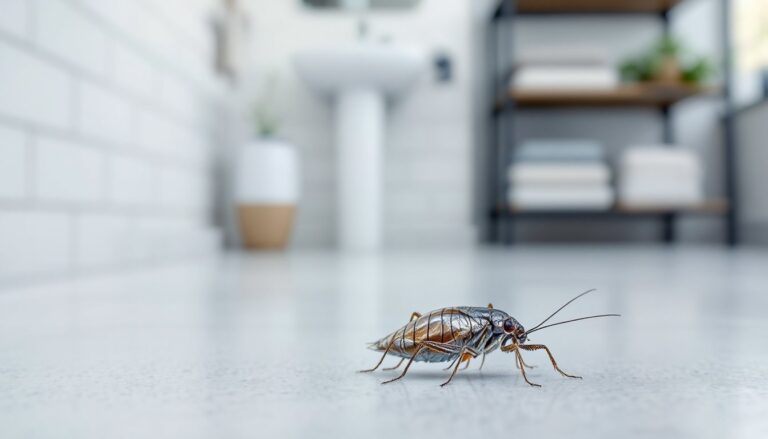
Not every ant responds to the same treatment. Identifying the species takes about thirty seconds and changes the whole approach.
- Odorous house ants: Small, dark brown, and famously stinky when crushed (think rotten coconut). They love sugar and nest in wall voids or under floors.
- Carpenter ants: Big, black, and structural trouble. They don’t eat wood like termites, but they hollow it out for nests. Damp window sills and roof leaks are prime real estate.
- Pavement ants: Tiny brown ants trailing along driveway cracks and foundation lines.
- Pharaoh ants: Pale yellow, the hardest to control because spraying splits the colony into multiple new ones.
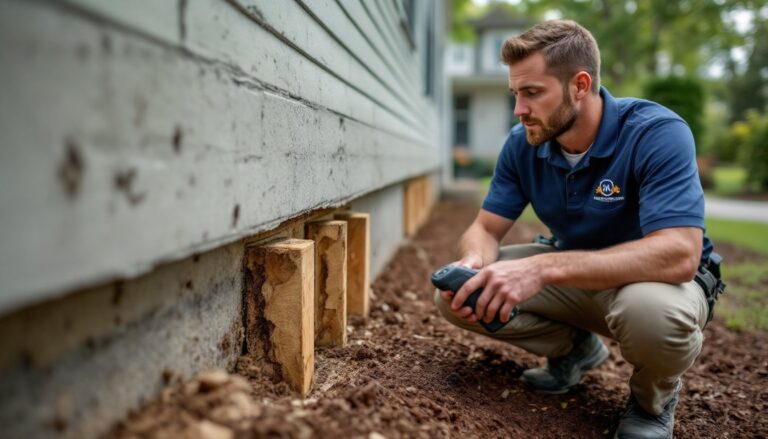
If the goal is to kill carpenter ants specifically, finding the parent nest matters more than killing foragers. Listen for faint rustling in walls and look for small piles of sawdust-like frass.
Pantry Staples That Eliminate Ants on Contact
Before ordering anything online, homeowners should check the kitchen cabinet. Three or four common ingredients do most of the work.
Vinegar, Lemon, and Soapy Water Sprays
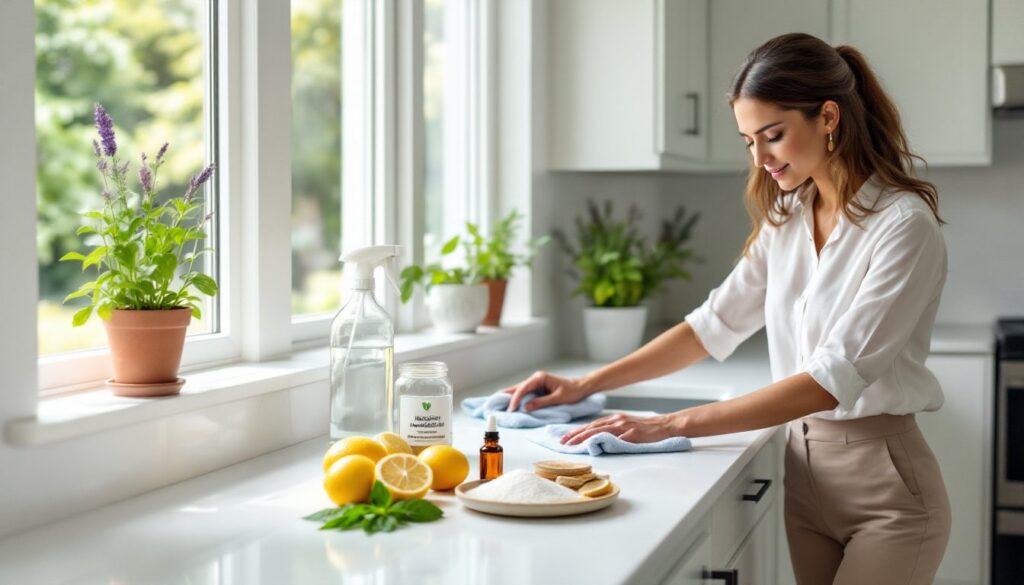
A 50/50 mix of white vinegar and water in a spray bottle does two jobs at once: it kills ants on contact by disrupting their exoskeletal coating, and it erases the pheromone trails they use to navigate. Lemon juice works the same way thanks to its citric acid content.
For a stronger version, add a teaspoon of dish soap per cup of water. The soap breaks surface tension and suffocates the ants almost instantly. Spray directly on trails, entry points, and around baseboards. Country Living’s guide to ant removal notes that wiping down the trail afterward is what stops fresh scouts from re-routing.
Diatomaceous Earth and Baking Soda Traps
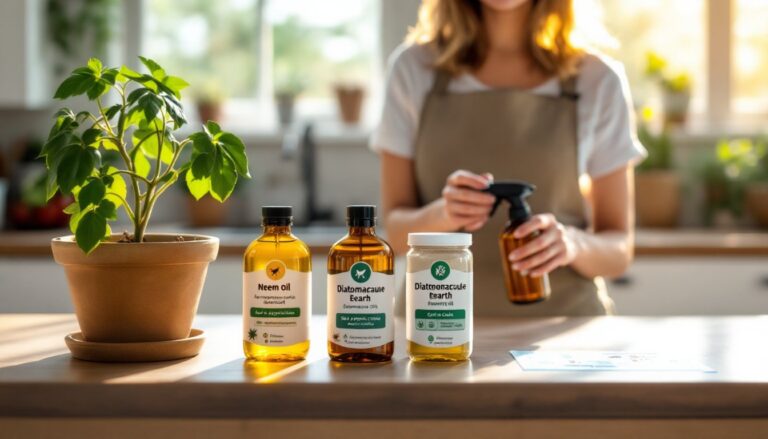
Food-grade diatomaceous earth (DE) is fossilized algae ground into a fine powder. To an ant, it’s microscopic broken glass that punctures the exoskeleton and dehydrates them within 24-48 hours. Dust a thin line along thresholds, under appliances, and behind the fridge. Wear a dust mask, DE is non-toxic but irritates lungs.
A baking soda and powdered sugar trap (1:1 ratio) is the classic homemade bait. Ants carry it back to the colony, where the baking soda reacts with their digestive acids. Slow, but it reaches the queen.
Essential Oils and Plants That Repel Ants Naturally
Essential oils repel mice naturally and do the same for ants by overwhelming their scent receptors. The most effective options:
- Peppermint oil: 10-15 drops in a spray bottle of water. Hits the strongest, smells the best.
- Tea tree oil: Strong antimicrobial, but keep it away from pets (especially cats).
- Clove and cinnamon oil: Eugenol, the active compound, is a documented insect repellent.
- Citrus oils (lemon, orange): Contain d-limonene, which dissolves ant pheromones.
Planting mint, lavender, rosemary, or tansy near foundation walls and entry doors creates a living barrier. Outlets like Gardenista regularly cover companion planting strategies that double as pest barriers, which is handy for anyone redesigning a foundation bed.
For odorous house ants in particular, peppermint sprays applied every two or three days along baseboards tend to clear trails fast. Pair that with eco-friendly pest solutions like cedar sachets in pantry corners for ongoing prevention.
Sealing Entry Points and Removing Attractants
Killing the ants currently inside is only half the job. If the entry points stay open and the food source stays accessible, a new colony moves in within weeks.
Seal the gaps:
- Walk the exterior foundation and look for cracks wider than 1/16 inch. Fill with silicone caulk or polyurethane sealant, both flex with seasonal movement.
- Check where utility lines (cable, gas, water) enter the home. Use expanding foam for larger gaps, then caulk over for a clean finish.
- Replace torn weatherstripping on exterior doors and add a door sweep if daylight shows underneath.
- Inspect window frames, especially older wood ones, soft or damp wood is an open invitation for carpenter ants.
Remove the attractants:
- Wipe counters with vinegar solution nightly.
- Store sugar, honey, and pet food in glass or hard-plastic containers with gasket seals.
- Take out trash daily and rinse recyclables.
- Fix dripping faucets and clear standing water under sinks. Most ants need water more than food.
For bigger picture strategy, Better Homes & Gardens covers seasonal home maintenance routines that catch these vulnerabilities before they become infestations. Homeowners dealing with recurring issues across multiple pests may also want a broader natural pest control playbook to coordinate the work.
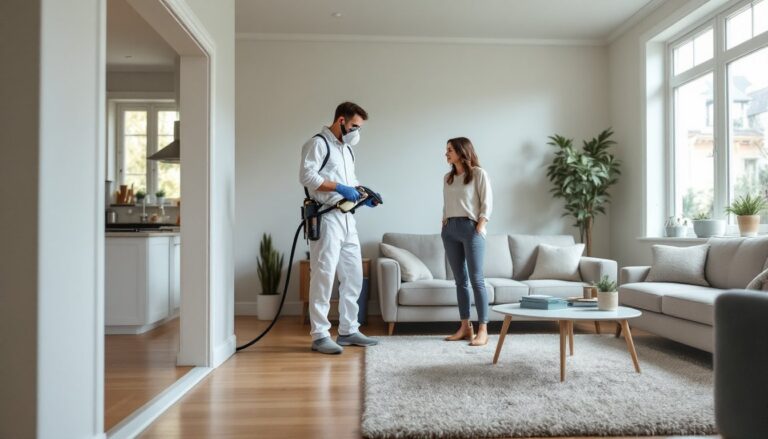
If trails persist after two weeks of consistent treatment, or if carpenter ant frass keeps appearing, it’s time to call a licensed pest professional. Structural damage from an established carpenter ant colony can run into the thousands, and at that point a comprehensive treatment plan is worth the inspection fee.
Natural ant control isn’t a one-time spray. It’s a routine: identify, eliminate, seal, prevent. Stick with it for a few weeks and the kitchen counter goes back to being a kitchen counter, no chemicals, no residue, no marching highway at sunrise.